
This article contains affiliate links. If you make a purchase through these links, we may earn a small commission at no extra cost to you. This helps support our work in creating free travel guides.
This is a three-day Shanghai plan you can follow as written: each day clusters sights that sit on the same metro line, so you spend your time looking at things instead of crossing the city twice. It assumes you're starting from a hotel somewhere central — People's Square, the Bund or Jing'an — which is where we suggest first-timers stay anyway.
Before the route, the part that actually needs planning. Shanghai needs far less advance booking than the internet suggests, but the few exceptions are strict:
- Whenever your dates are fixed: buy Disneyland tickets if you're going — they're date-specific, priced by a tiered calendar published 30 days out, and tied to the ID you book with, one ticket per person per day.
- A day or two before: nothing, honestly. The Shanghai Museum East dropped reservations for individual visitors — you walk in with your passport. Observation decks sell same-day tickets outside peak holidays.
- The night before each day: check the day's closing rule. The museum closes Tuesdays and Yu Garden closes Mondays — swap days accordingly.
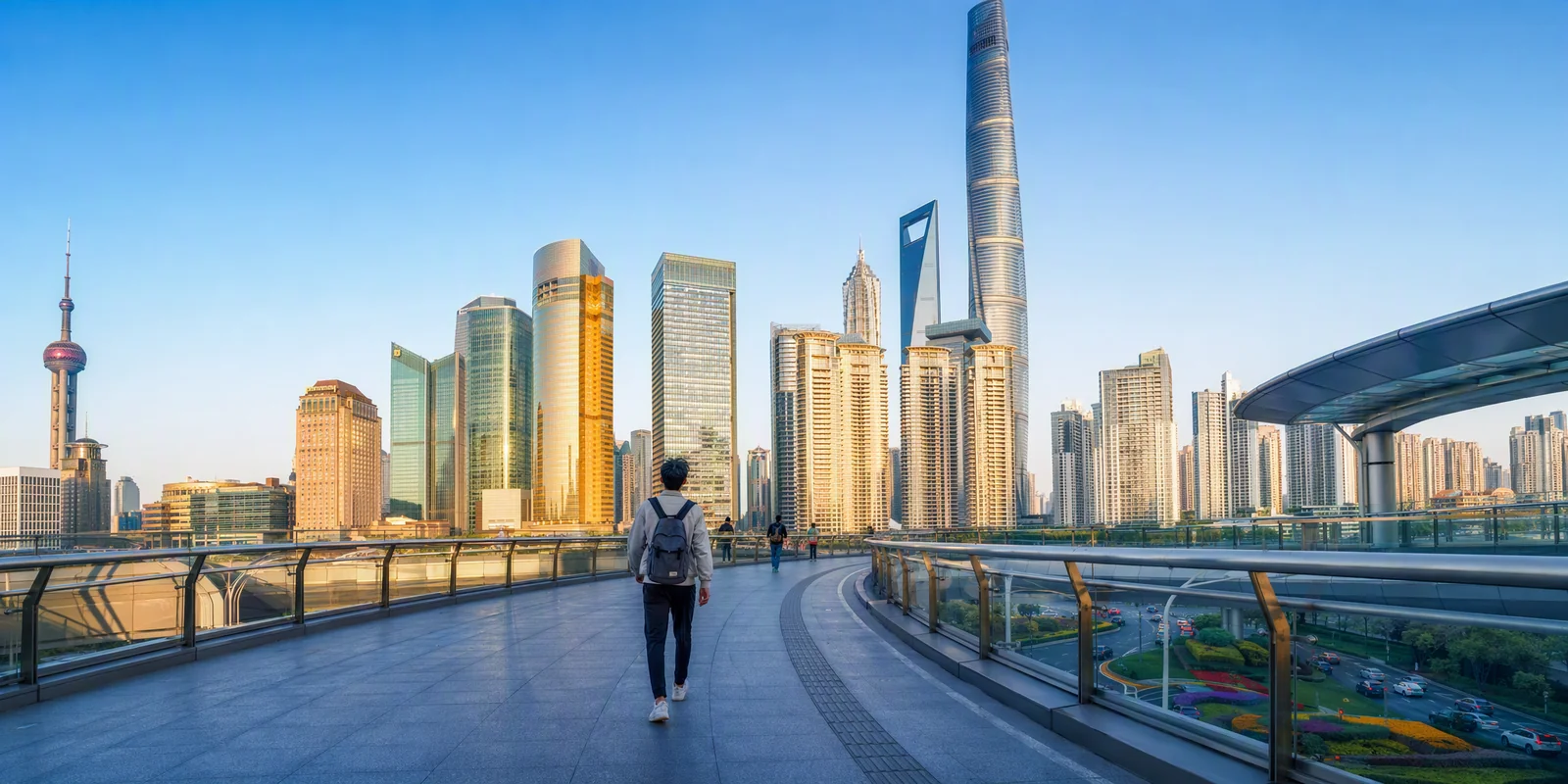
Day 1: the Shanghai Museum, Nanjing Road, and the Bund at sunset
From People's Square, ride Line 2 under the river to the Shanghai Museum East in Pudong first — it opens at 10:00, last entry 17:00, right at Shanghai Science and Technology Museum station. Two to three hours covers the bronzes, ceramics and calligraphy floors without rushing; entry is free with your passport, no reservation needed. The museum's official visiting page lists current hours if you're traveling around a public holiday.
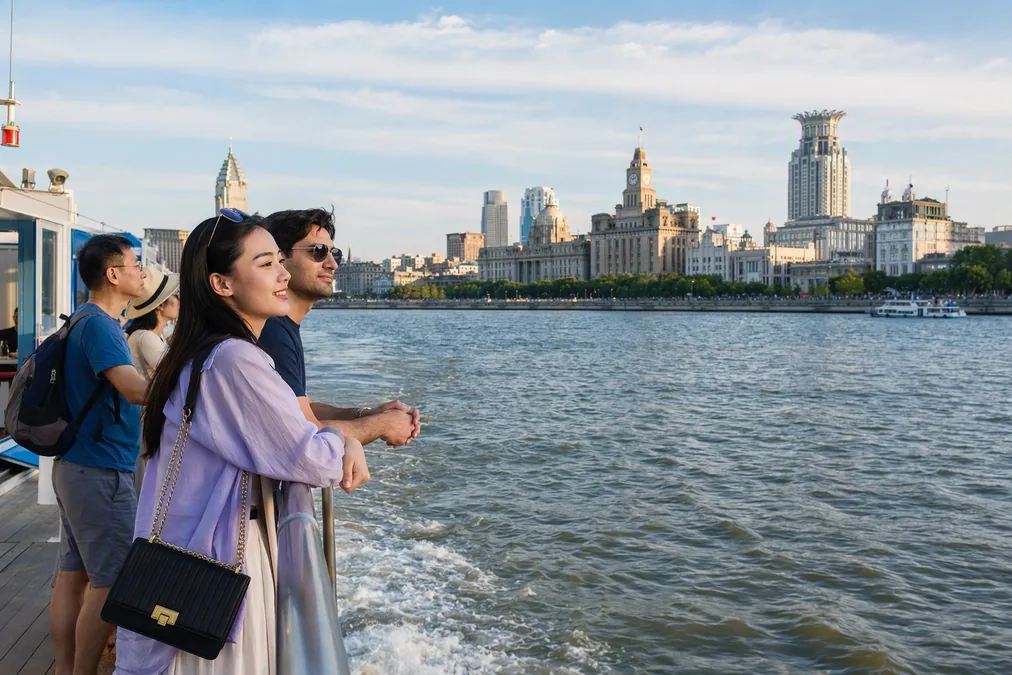
Ride Line 2 back under the river to East Nanjing Road in the afternoon and walk the pedestrian street toward the water — it's free, open all day, and the people-watching is the attraction. Time it so you reach the Bund an hour before sunset: you get the historic bank buildings in daylight, then the Lujiazui towers switching on across the river. The promenade never closes, so there's no ticket, no queue, no timing pressure — just increasingly good light.
Day 2: Lujiazui in the morning, the old town after lunch
Cross to Lujiazui early, before tour groups fill the observation decks. Pick one tower and stick to it: Jinmao's 88th-floor deck is the budget pick at 120 yuan, Top of Shanghai in Shanghai Tower is the highest at 180 yuan, and the Oriental Pearl is the nostalgic choice, with combo packages at 259–279 yuan — standalone tower admission is priced on its official channels. If the sky is gray, skip the deck entirely — the skyline is better from the free Bund side anyway — and give the morning to a museum instead: the East Wing if you skipped it yesterday, or the ticketed special exhibition now running at the Shanghai Museum's People's Square branch. Tickets for all three decks are also on Klook in English if you'd rather book ahead.
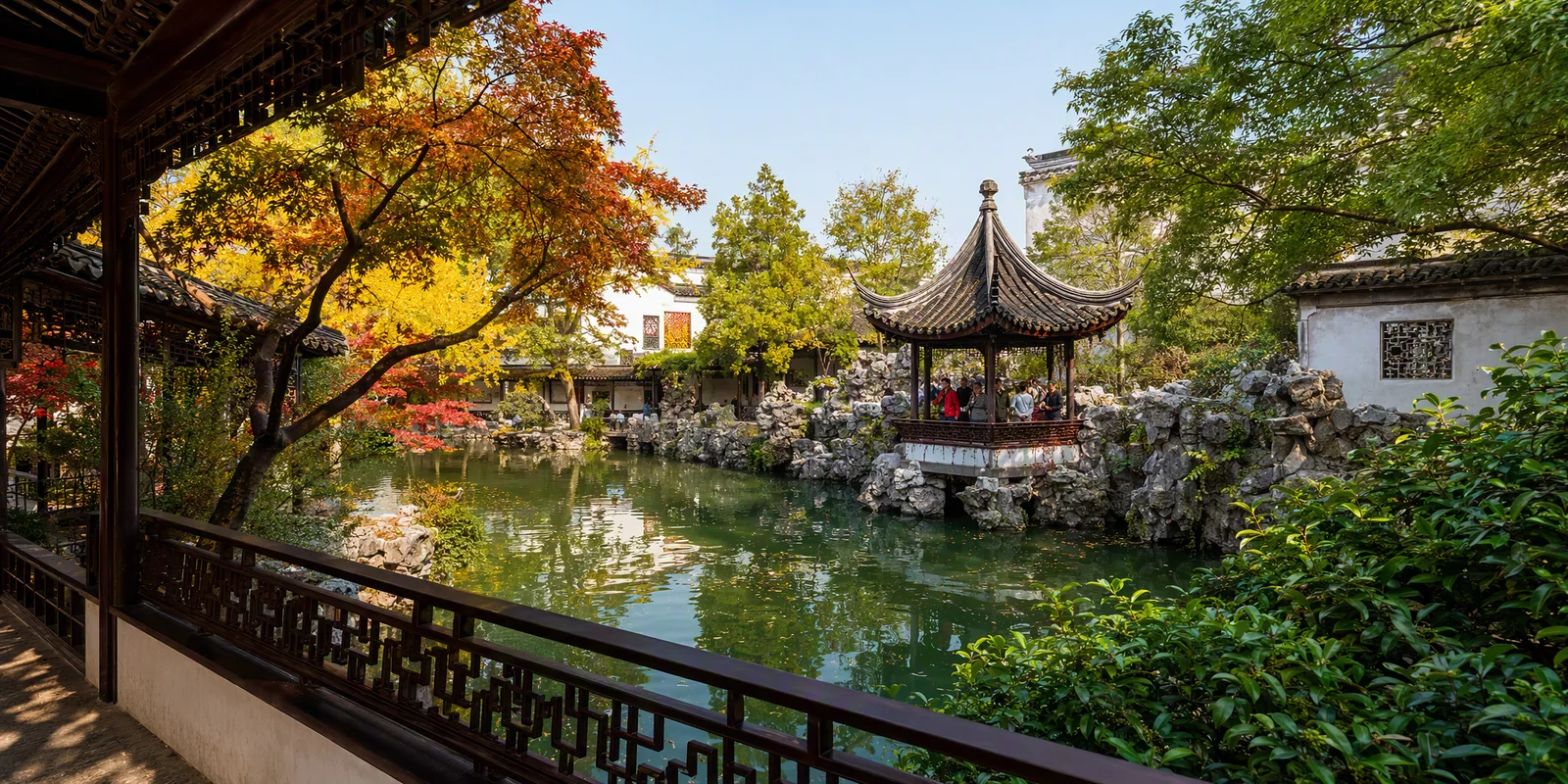
After lunch, take the metro — or, more fun, the plain commuter ferry across the river at 2 yuan; the Dongjin line links the Lujiazui riverside to the Bund's south end and runs daytime only — and walk into the old town. Yu Garden, the Ming-era classical garden, charges 40 yuan in peak season and 30 in low season — and note it stops admitting visitors at 4:00 pm, so don't let lunch run long. The surrounding bazaar and the Yuyuan lanes cost nothing. End the day in Xintiandi's restored shikumen (stone-gate lane house) blocks or the free-to-wander alleys of Tianzifang — neither charges entry.
Day 3: pick one — water town, slow streets, or Disneyland
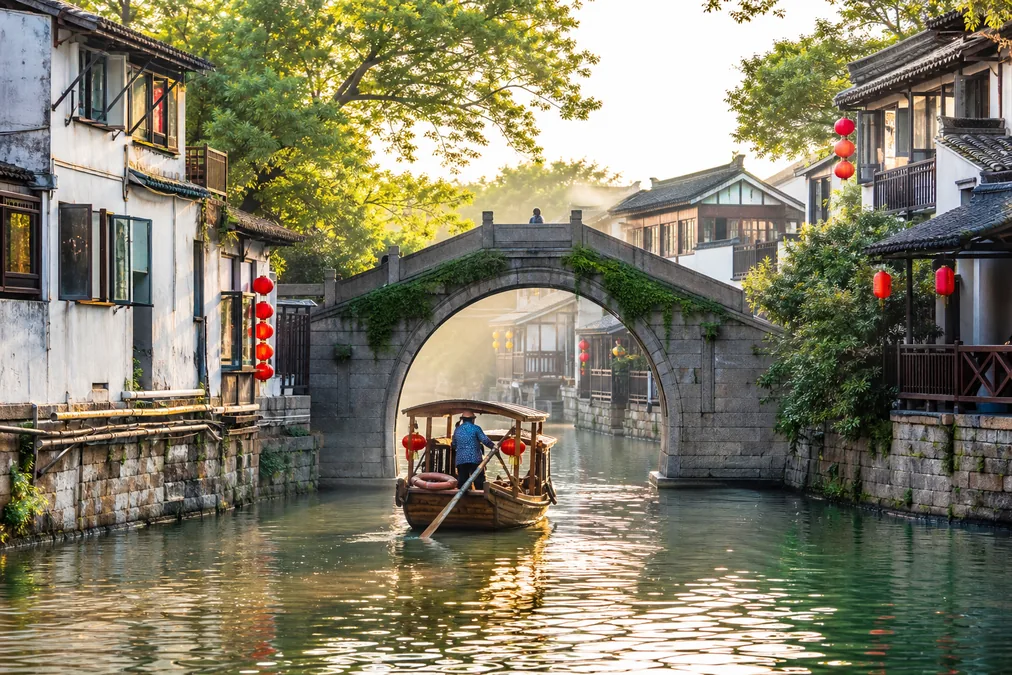
Zhujiajiao is the low-effort water town: canals, Ming and Qing bridges, and it's free to enter — you just ride Metro Line 17 to Zhujiajiao station. Half a day is enough; go in the morning before day-tour buses arrive.
The slow-streets option is the former French Concession: Wukang Road, Anfu Road, a temple stop at Jing'an, coffee where the locals actually sit. No tickets, no plan needed — this is the day people end up remembering.
Disneyland is a full day and only works if you bought your date-specific ticket when your plans firmed up — entry is matched to the passport you booked with. If you haven't booked and the calendar shows your date sold out or expensive, treat that as your answer.
The transit logistics that make this work
Everything above sits on Lines 2, 10 and 17 plus one ferry crossing. Tap in with a contactless foreign bank card at the gates, or set up one QR code for metro, bus and ferry in the SH MaaS app (随申行, English version, registers with an overseas number). If you'll ride more than a handful of times a day, the metro day passes — 18 yuan for 24 hours, 45 for 72 — pay for themselves on this route.
The one trap: last trains run earlier than the city's energy suggests, and each line differs — check your line's timetable before a late dinner; six lines run later on Friday and Saturday nights, and Line 2 — this route's backbone — is not one of them. the WaysChina app
Variations and timing: 48 hours, kids, rain, crowds
48 hours: merge days 1 and 2 — museum in the morning, Yu Garden after lunch, Nanjing Road to the Bund for sunset; give day 2 to Lujiazui plus either Xintiandi or the French Concession. Drop nothing else in; the compressed version is already full.
With kids: shorten the museum block to the floors your kids can enjoy, or aim the whole flex day at Disneyland. Keep afternoons short — the walking distances here add up faster than they look on a map.
Rain: the museum day is rain-proof, decks are pointless in cloud, and the old town is worse in wet crowds. A rainy day one is the museum plus indoor time — mall food halls, a long tea house stop — and push the Bund to whichever evening clears. Remember the Tuesday closure when you reshuffle.
Crowds: the Bund is busiest right after dinner; sunset is calmer and better anyway, and early morning belongs to locals doing tai chi. Yu Garden opens at 9:00 — be there then, because by 11 the bazaar crowds spill into the garden; if the garden matters most to you, flip Day 2 — garden at opening, towers after lunch. Weekends roughly double the queues at decks and Disneyland. And avoid Chinese public holidays entirely if you can — this route stops working when the whole country travels; see our Golden Week survival guide for the dates.
Frequently asked questions
Is 3 days enough for Shanghai?
For the classic city, yes, with breathing room — that's exactly what this plan covers. It gets tight if you add Disneyland (a full day) or a side trip to Suzhou or Hangzhou; those push you to four or five days. See Shanghai day trips for what's worth the extra day.
Is Shanghai Disneyland worth a full day of a short trip?
Only if a Disney park is a draw for your group in itself. It's a genuinely good park, but it costs you the French Concession or a water town, and the ticket is date-locked to the ID you book with. Travelers who've been to other Disney parks usually choose the city.
What's the best time of day to see the Bund?
Arrive an hour before sunset. You see the colonial buildings in daylight, watch the Pudong towers light up, and leave before the post-dinner peak. The promenade is open around the clock, so an early-morning return costs nothing if you want it quiet.
Can you do this itinerary without speaking Chinese?
Yes. Every stop on this route is on the metro with bilingual signage, the museum and decks have English signage and announcements, and foreign bank cards cover the transit on this route — tap-in at metro gates and ticket counters take them. For restaurants, set up mobile payment before you go and download a translation app, and you're covered — see the Shanghai travel guide for the setup checklist.
Last updated: September 2026
Read in other languages
Getting to the sights by metro
The Bund
Iconic waterfront promenade facing the Lujiazui skyline.
- East Nanjing Road
- Tiantong Road
- Yuyuan Garden
Oriental Pearl Tower
468m TV tower with glass-floor observation deck.
- Lujiazui
Shanghai Tower
China's tallest building (632m), 118F observation deck.
- Lujiazui
Yu Garden
Ming-era classical garden next to the City God Temple market.
- Yuyuan Garden
- Lujiabang Road
Shanghai Disneyland
Mainland China's first Disney resort. Take Line 11 to Disney Resort.
- Disney Resort
Nanjing Road Pedestrian Street
1km pedestrian shopping street connecting Bund and People's Square.
- East Nanjing Road
- People's Square
People's Square
Central plaza and museum hub (Shanghai Museum, Urban Planning Exhibit).
- People's Square
- Dashijie
Xintiandi
Restored shikumen block, now a wine-and-dine hotspot.
- Site of the First CPC National Congress·Xintiandi
- Site of the First CPC National Congress·South Huangpi Road
- Madang Road
Tianzifang
Shikumen alley arts district with cafes, boutiques, and galleries.
- Dapuqiao
- Madang Road
Jing'an Temple
Gold-roofed Buddhist temple in the heart of West Nanjing Rd.
- Jing'an Temple
- Changshu Road
Lujiazui
Pudong's financial district — Shanghai Tower, SWFC, Jin Mao.
- Lujiazui
Shanghai Museum
Top bronze, ceramics, and calligraphy collection. Free entry.
- People's Square
- Dashijie
Longhua Temple
Shanghai's oldest temple (242 AD); famous spring peach blossoms.
- Longhua
- Middle Longhua Road
Zhujiajiao Water Town
1700-year-old water town; take Line 17 to Zhujiajiao.
- Zhujiajiao
Shanghai Pudong International Airport
Shanghai's main international airport (PVG); also served by the 430 km/h Maglev to central Pudong.
- Pudong Airport Terminal 1&2
Shanghai Hongqiao International Airport
Shanghai's secondary airport (SHA) for domestic and short-haul international; integrated with Hongqiao Railway in one mega-hub.
- Hongqiao Airport Terminal 2
- Hongqiao Airport Terminal 1
Shanghai Hongqiao Railway Station
China's busiest high-speed rail station; integrated with Hongqiao Airport in one mega-hub.
- Hongqiao Railway
Shanghai Railway Station
Shanghai's historic main rail station (the 'New North Station'); conventional and selected high-speed services.
- Shanghai Railway
Shanghai metro: last train times by station
Every line and station, checked by hand — the same data behind our offline route planner.
Get the WaysChina App
Offline guides, currency converter, essential phrases, and more — all in your pocket.

Related Articles
Day Trips from Shanghai: Water Towns, Suzhou and Hangzhou, Honestly Compared
Which Shanghai day trip fits you: metro-reach Zhujiajiao, Suzhou's real-name garden tickets, free West Lake, or an...
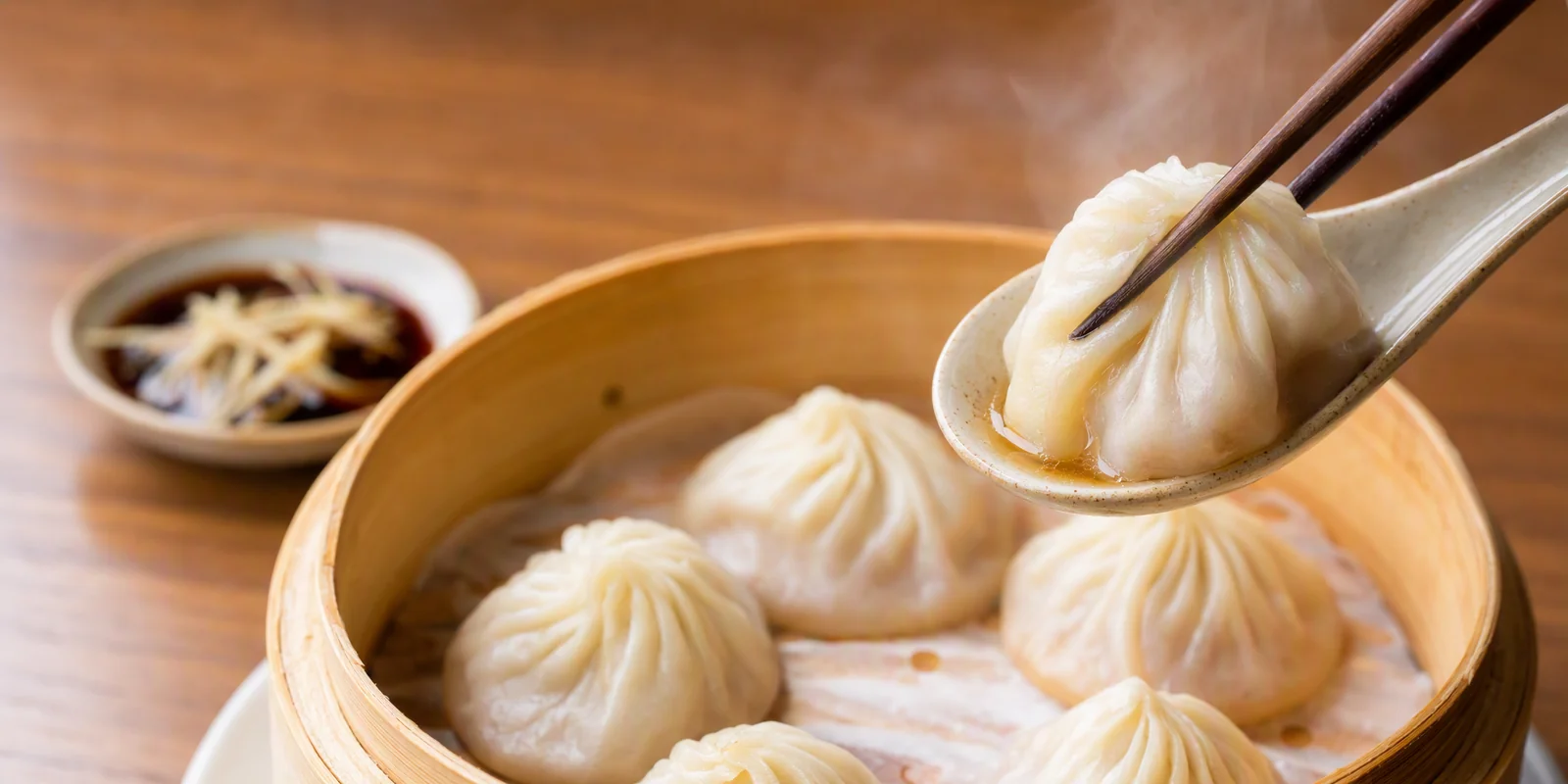
Shanghai Food Guide: What to Eat, Where to Eat It, and How to Order
Beyond soup dumplings: how to eat xiaolongbao without scalding yourself, where locals actually eat, halal and...

Huangshan Guide
How to plan a trip to Mount Huangshan: choosing your route up and down, catching the sunrise, where to sleep on the...
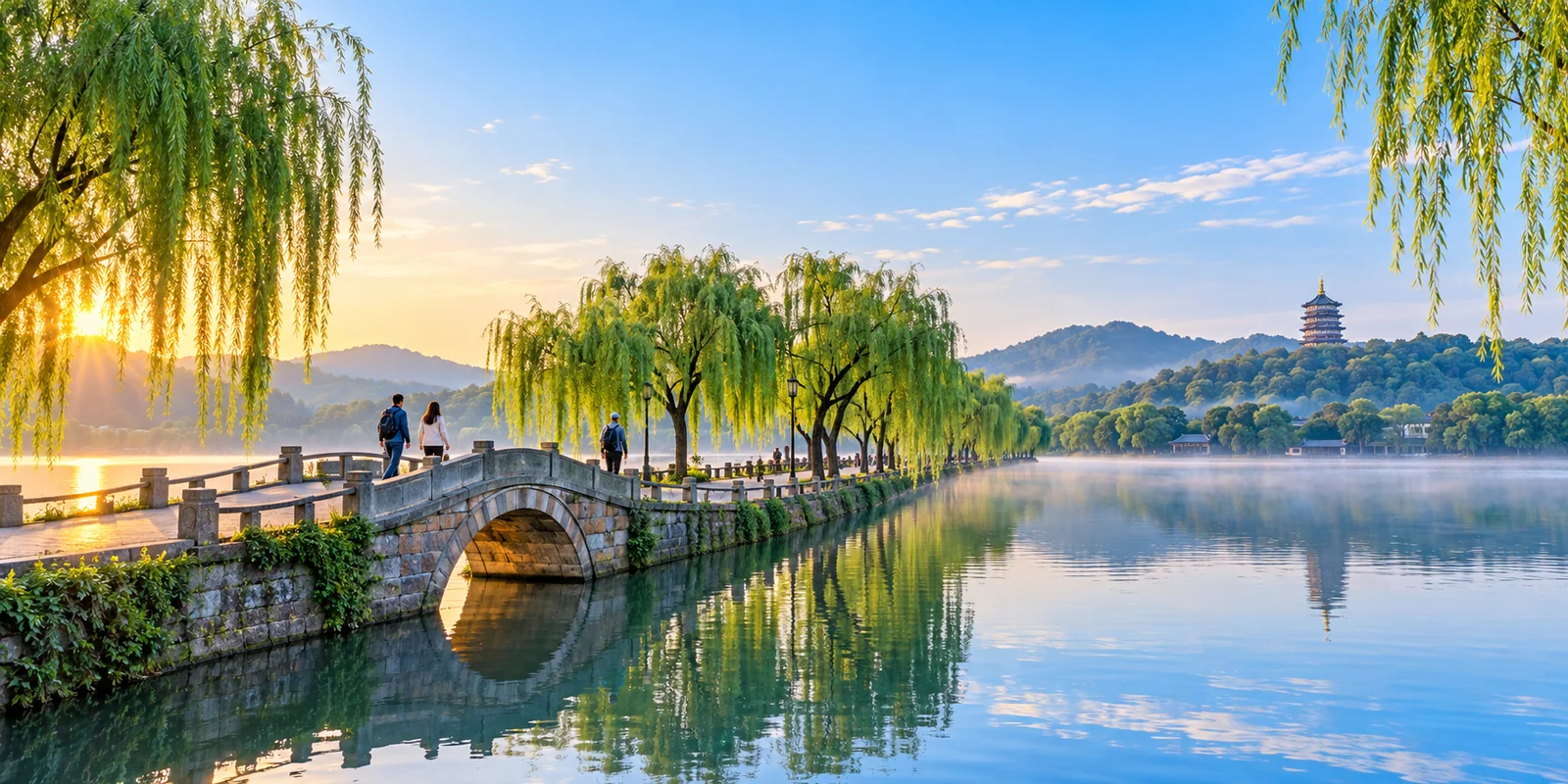
Hangzhou Travel Guide: How Many Days, What's Free at West Lake, and How to Book Lingyin
Two days in Hangzhou: which of the three railway stations to book, how to get around a lake district that limits...