
Hong Kong has no sales tax and no VAT, which is exactly why it built its reputation as a shopping city. The catch is that "duty-free" doesn't mean "cheap" — luxury goods are often priced similarly to other Asian hubs, and the real bargains live in the markets and older neighborhoods, not the glossy malls. This guide breaks down where to shop in Hong Kong by what you're actually after: luxury, mid-range, street markets, or cheap tech and streetwear. It also covers the practical stuff travelers ask about most — whether you get a tax refund (you don't, mostly) and what you can legally bring home.
How Hong Kong shopping actually works
Two things up front, because they shape everything else.
There is no general sales tax or VAT in Hong Kong. The price on the tag is the price you pay. This is great for electronics, cosmetics, and watches, where the difference versus a taxed market can be real. It also means there's no tourist tax-refund scheme like you'd find in Europe, Japan, or mainland China — you don't fill out forms at the airport for a refund, because there was nothing added to refund. More on that below.
Most places take everything. Octopus card, credit cards, Apple Pay, Alipay, WeChat Pay, and Hong Kong dollars in cash all work in the big shopping districts. Markets are more cash-friendly — bring small bills (HK$20, HK$50, HK$100) for haggling, since vendors love to claim they "can't break" a HK$500 note to avoid giving you the agreed price.
The shopping areas below roughly sort by budget and vibe. You can hit several in a day thanks to the MTR, which connects all of them.
Causeway Bay: the all-in-one shopping district
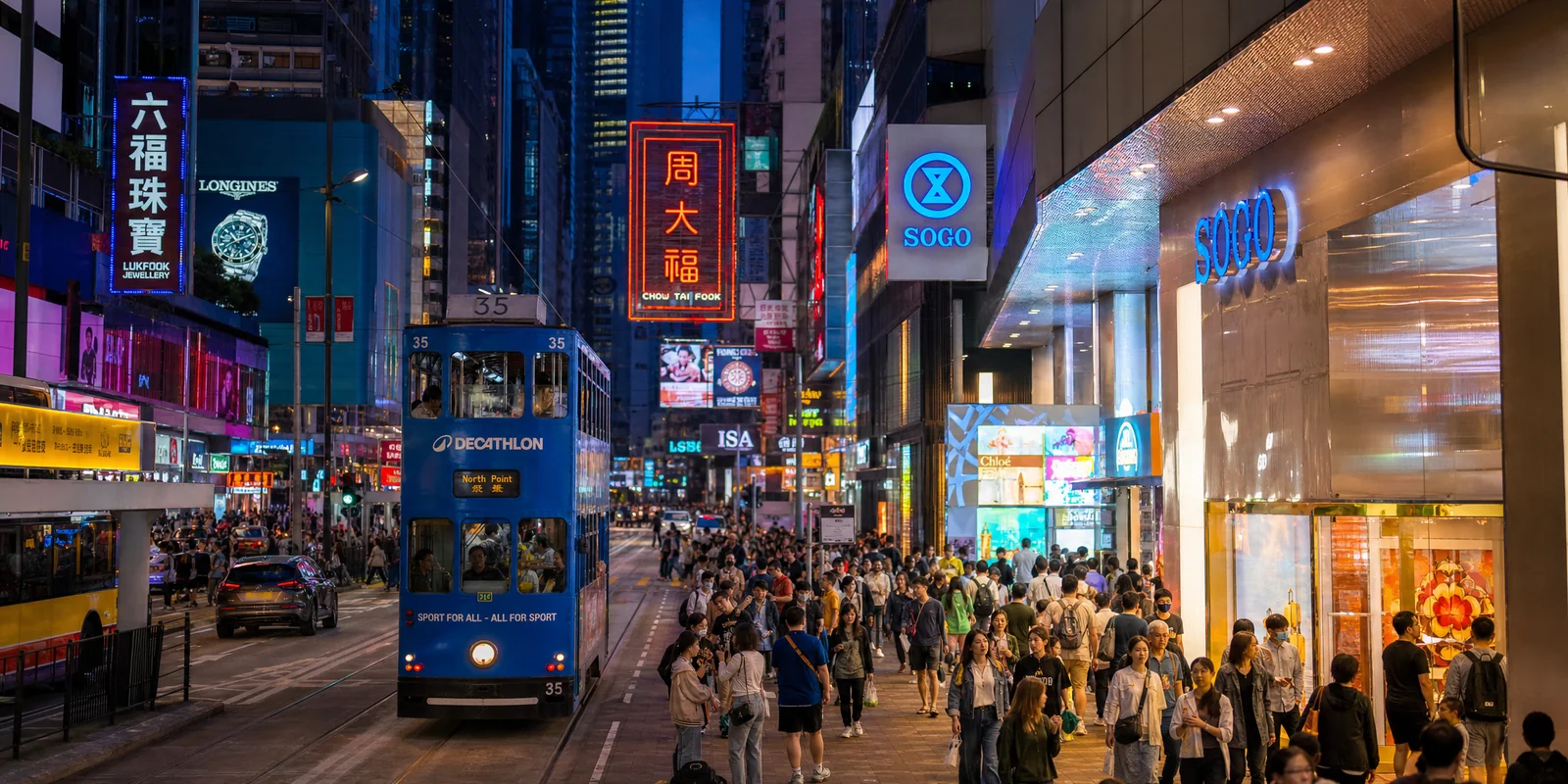
If you only have time for one neighborhood, make it Causeway Bay (銅鑼灣, Tóngluówān) on Hong Kong Island. It's the densest, busiest retail zone in the city and covers nearly every price point in a few walkable blocks.
The anchors are the big malls and Japanese department stores: Times Square (a vertical mall with mid-to-high-end fashion), Hysan Place, and SOGO, the enormous Japanese department store that's a destination in itself for cosmetics and food. Around them, the side streets are packed with smaller boutiques, sneaker shops, and chain stores like UNIQLO and Muji.
Causeway Bay is also where you'll feel Hong Kong's shopping crowds most intensely, especially on weekends and evenings. Go on a weekday afternoon if crowds bother you.
Harbour City: the largest mall and luxury under one roof
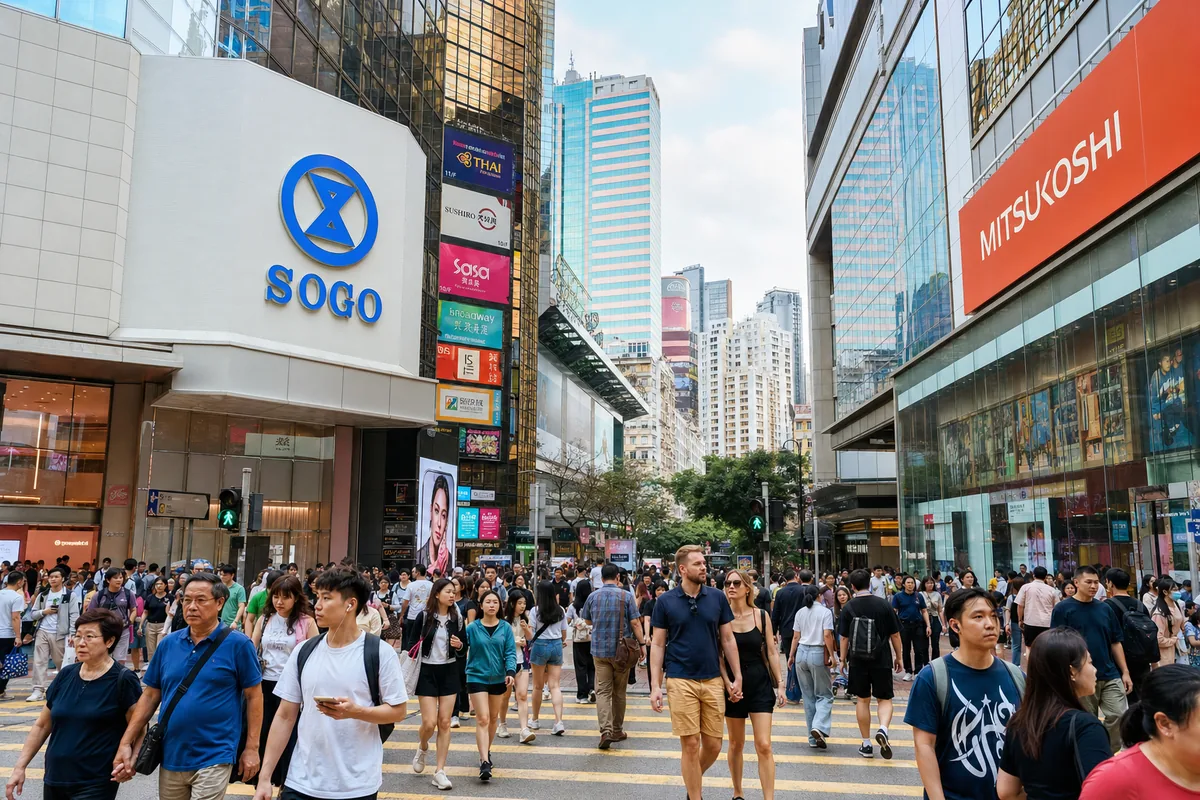
Over in Tsim Sha Tsui (尖沙咀, Jiānshāzuǐ) on the Kowloon side, Harbour City is Hong Kong's biggest mall — a sprawling waterfront complex with more than 450 shops. This is the place for one-stop luxury shopping: most major fashion houses have flagship or large stores here, alongside mid-range brands, electronics, and a big kids' section.
What makes Harbour City worth the trip even if you're not buying Hermès is the location. It sits right on Victoria Harbour, so you can pair shopping with the harbor views and the Star Ferry pier next door. The nearby Canton Road strip outside the mall is essentially a row of luxury flagships — useful if you want to comparison-walk several brands quickly.
Tsim Sha Tsui more broadly is a strong base for shoppers: it has the luxury concentration of Canton Road, the electronics and watch shops along Nathan Road, and easy MTR and ferry connections.
Ladies' Market: the classic haggling experience
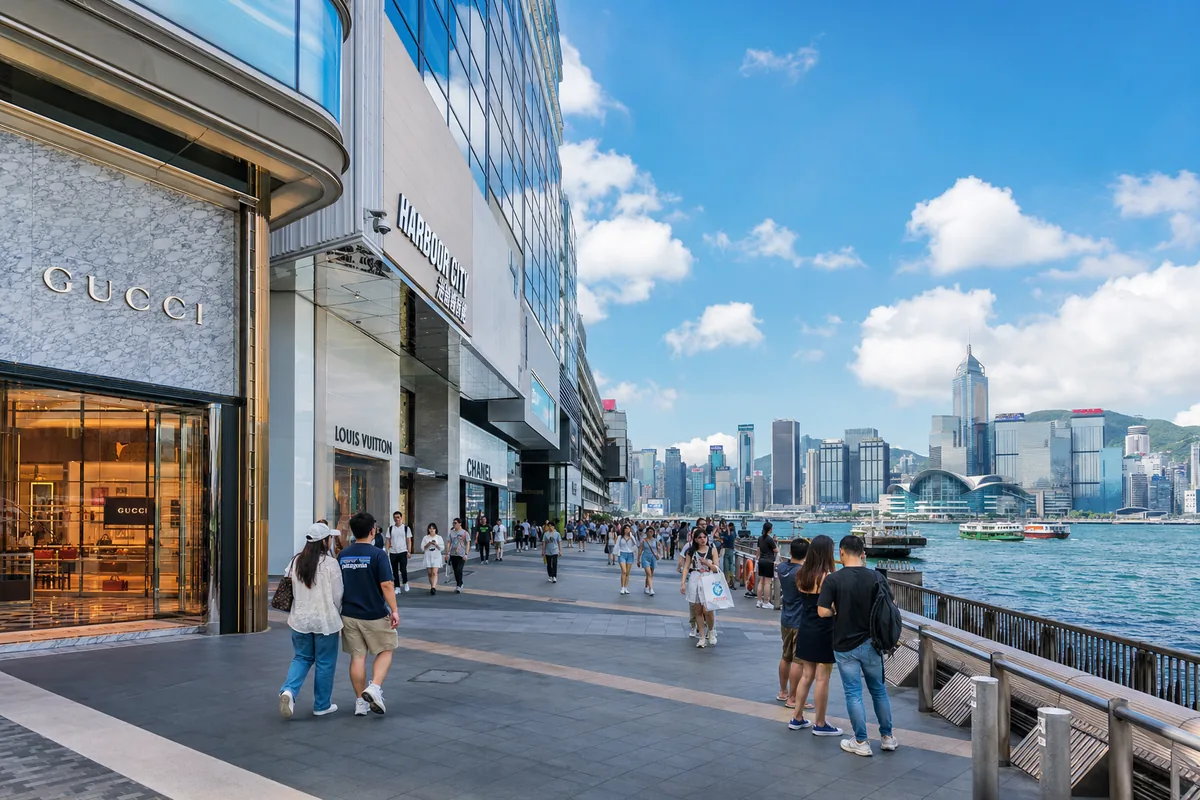
The Ladies' Market (女人街, Nǚrénjiē) in Mong Kok is the street market most visitors picture when they think of Hong Kong shopping. It runs along Tung Choi Street and stretches for about a kilometer of stalls selling clothing, accessories, phone cases, toys, souvenirs, and plenty of knock-off branded goods.
Despite the name, it sells things for everyone, not just women. It's best in the late afternoon and evening when all the stalls are open and lit up. Don't expect quality — this is fast-fashion and souvenir territory. Expect to bargain.
How to haggle here: the first price is inflated, often by a lot. A reasonable counter is roughly half to two-thirds of the opening number, then settle somewhere in between. Stay friendly, be willing to walk away (the vendor will often call you back with a better price), and decide your maximum before you start. If you're buying several items from one stall, ask for a bundle discount.
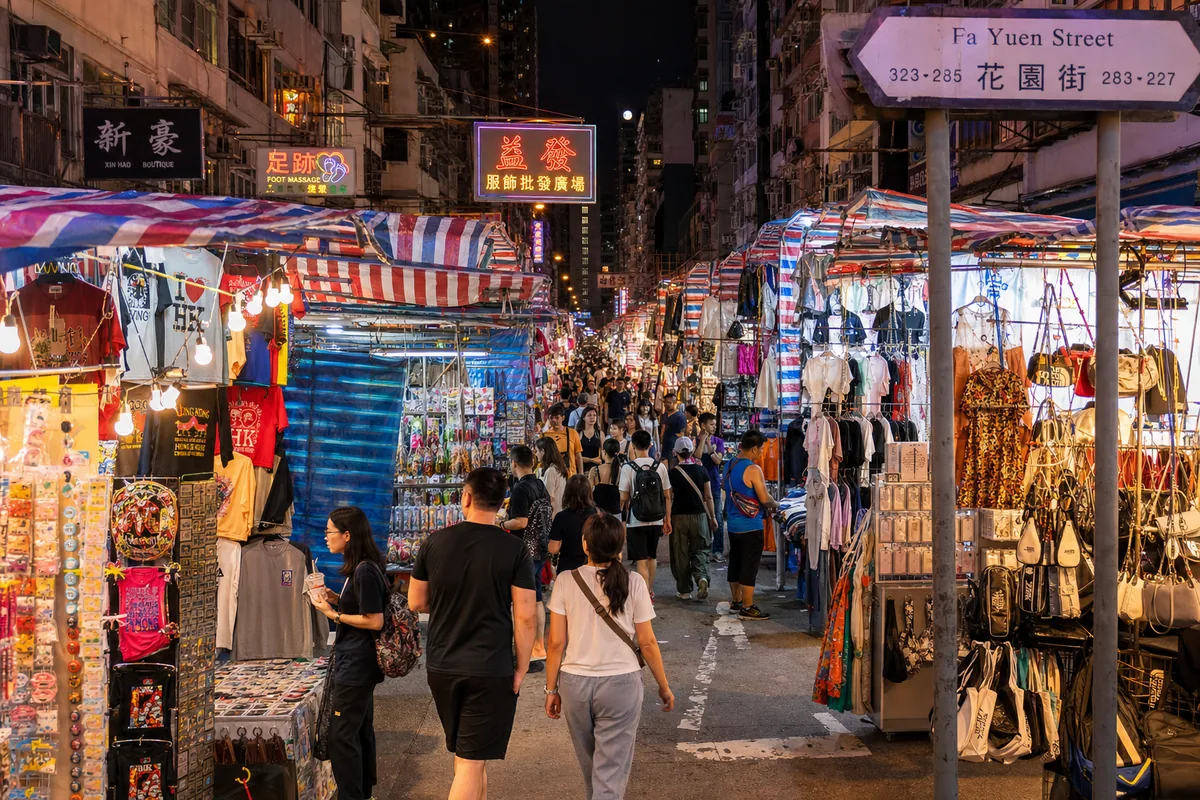
A few minutes' walk away, Mong Kok has other specialized streets worth a look: the Sneaker Street (Fa Yuen Street) for athletic shoes, the Flower Market, and the Goldfish Market. They're clustered close enough to wander between in an afternoon.
Temple Street Night Market: shopping after dark
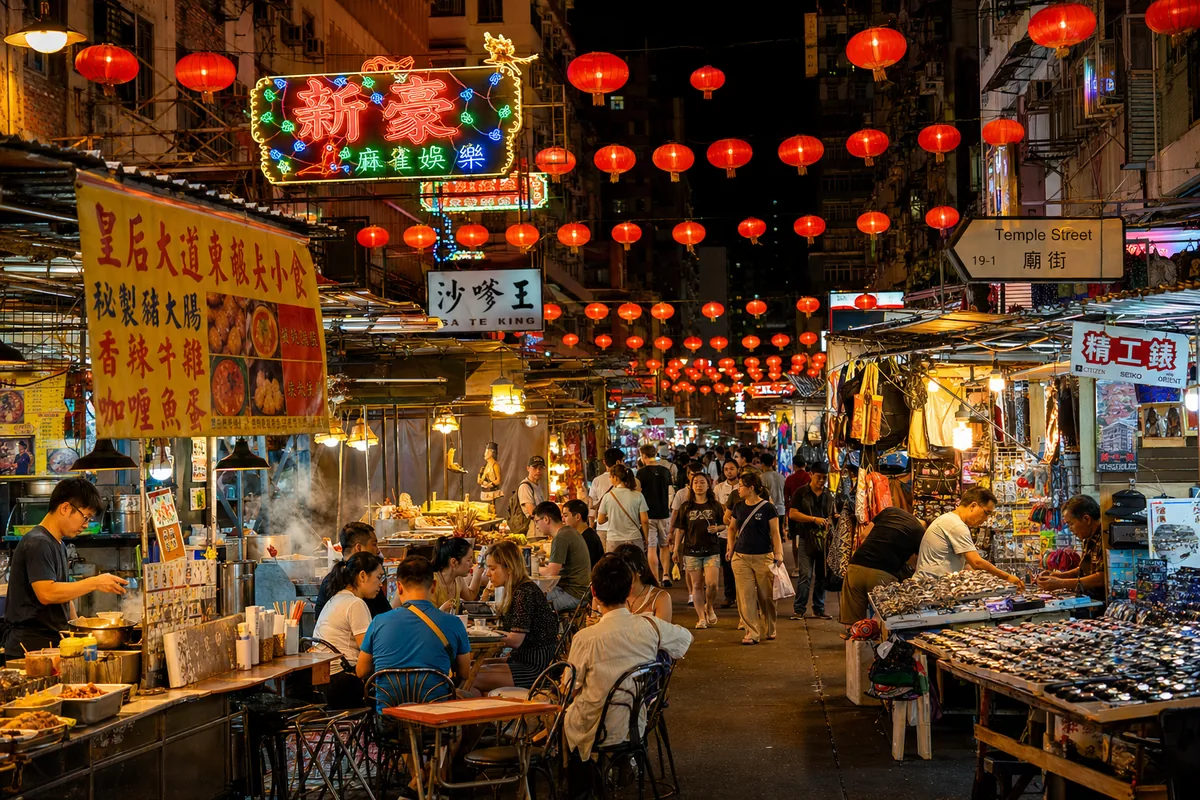
Temple Street (廟街, Miàojiē) in Yau Ma Tei / Jordan is Hong Kong's most famous night market, and it's as much an evening out as a shopping trip. It comes alive after sunset — figure on 7pm onward — with stalls selling watches, electronics accessories, clothing, jade, and souvenirs, plus fortune tellers and open-air food stalls serving claypot rice and seafood.
The shopping here overlaps with Ladies' Market (similar goods, similar haggling rules), but the atmosphere is the real draw: neon signs, sizzling woks, and the occasional Cantonese opera performance on the street. Come hungry, bargain for trinkets, and treat the whole thing as a night-market experience rather than a serious buying mission.
Sham Shui Po: budget tech, fabric, and streetwear
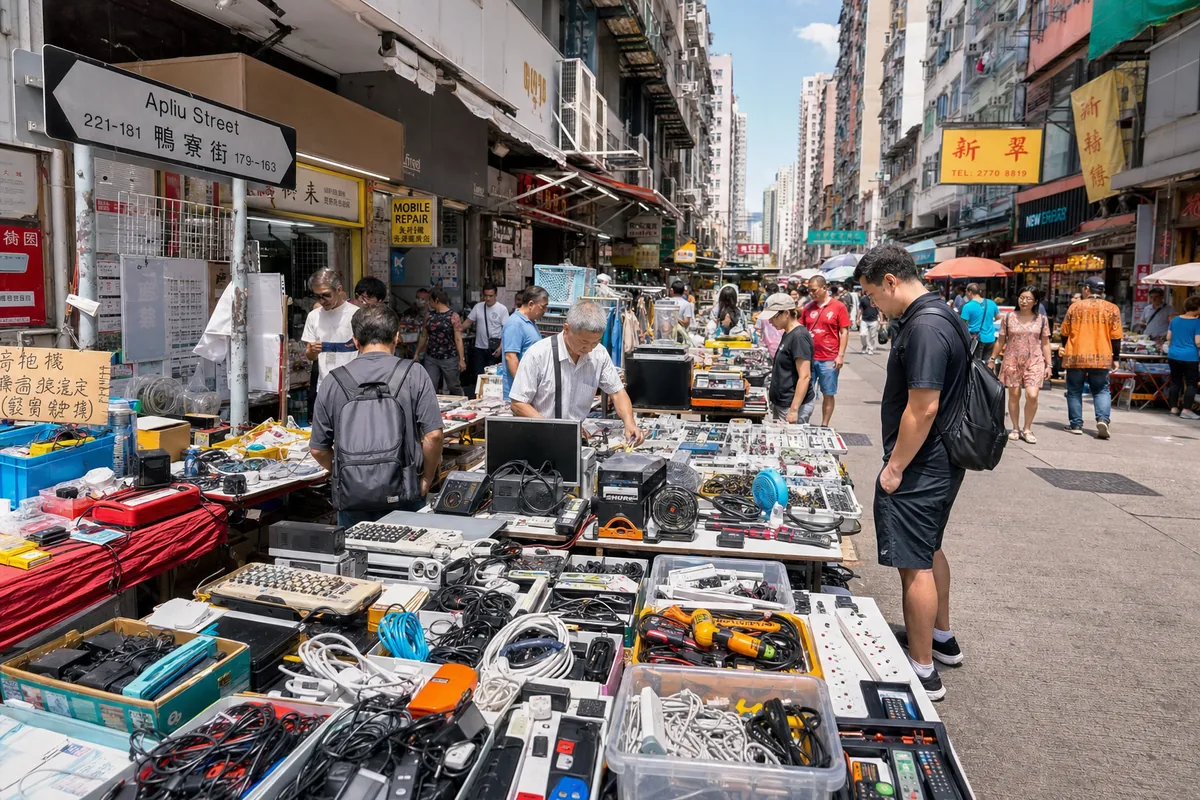
Sham Shui Po (深水埗, Shēnshuǐbù) is the locals' bargain district, and increasingly a destination for travelers who know what they're looking for. It's gritty, unpolished, and one of the more interesting neighborhoods in the city.
Here's what it's known for:
- Electronics and computer parts — Apliu Street is a famous flea market for gadgets, cables, secondhand electronics, and random tech. The Golden Computer Arcade and nearby buildings are stuffed with computer and phone components.
- Fabric and craft supplies — the area around Ki Lung Street and Yu Chau Street is the textile heart of the city, with cheap fabric, buttons, beads, and ribbon.
- Affordable streetwear and vintage — a growing cluster of independent sneaker and streetwear shops, plus vintage stores, drawing a younger crowd.
- Street food — some of Hong Kong's best cheap eats, which makes it an easy half-day combining shopping and food.
Prices here are genuinely low and bargaining is normal at the flea-market stalls, though shops in arcades tend to have fixed prices. This is the opposite end of the spectrum from Causeway Bay — come for the hunt, not the comfort.
Outlets: discounted brands away from the center
Hong Kong's outlet shopping is decent but not a primary reason to visit. The main option is Citygate Outlets in Tung Chung, on Lantau Island — conveniently next to the airport and the Ngong Ping cable car, so it pairs well with a Big Buddha trip or a last day before flying out. It has the usual mix of sportswear, fashion, and accessory brands at discount.
On the Hong Kong Island side, the Horizon Plaza in Ap Lei Chau is a high-rise full of furniture, designer outlets, and sample sales — better for serious browsers with time than for a quick stop. Because Hong Kong already has no sales tax, outlet "savings" are about discounts off retail rather than tax savings, so do a quick price check before assuming it's cheaper than home.
Tax refunds: the short answer
This trips up a lot of visitors, so to be clear: Hong Kong does not have a tourist tax-refund (VAT refund) system, because it has no sales tax or VAT in the first place. You won't see "Tax Free" refund counters at the airport like in Europe or Japan. The price you pay in the shop is the final price, full stop.
This is different from mainland China, which does have a departure tax-refund scheme for tourists. If your trip includes both Hong Kong and the mainland, don't confuse the two systems.
Customs: what you can bring home
What matters more than Hong Kong's rules is your own country's customs allowance, since Hong Kong is a separate customs territory and you'll declare goods when you get home.
A few practical points:
- Keep your receipts. For luxury watches, jewelry, and electronics, customs at home may ask for proof of value. Receipts also matter for warranty claims.
- Know your home allowance. Most countries let you bring back a certain value of goods duty-free and charge duty above that threshold. The US, EU, UK, Australia, and others all have different limits — check your own customs website before you splurge.
- Counterfeit goods are a real risk at customs. The fake bags and watches sold at street markets can be seized when you arrive home, and some countries fine travelers for bringing in counterfeits. Buy fakes at your own risk.
- Ivory, certain animal products, and some traditional-medicine items are restricted or banned in many countries. Don't buy them.
If your trip continues into mainland China after Hong Kong, remember you'll cross a customs border. For the official line on what mainland China allows and the departure refund scheme, the General Administration of Customs of the People's Republic of China publishes current rules. For Hong Kong's own import/export controls, see the Hong Kong Customs and Excise Department.
Practical tips for shopping in Hong Kong
- Best seasons: autumn (September–November) and winter (December–February) are the most comfortable for walking between districts. Summer is hot and humid, though malls are heavily air-conditioned.
- Sales periods: the biggest markdowns come during the summer and winter sale seasons and around Chinese New Year. The official Hong Kong Shopping Festival usually runs in summer.
- Sizing runs small. Asian sizing in many local shops trends smaller than Western sizing. Try things on, and check whether a shop allows returns — many street-market and small shops do not.
- Get the MTR right. The districts above connect easily by metro: Causeway Bay (Island Line), Tsim Sha Tsui (for Harbour City), Mong Kok (Ladies' Market and Sneaker Street), Jordan/Yau Ma Tei (Temple Street), and Sham Shui Po — all on the network. An Octopus card covers fares and works in many shops too.
the WaysChina app has offline MTR maps and a trip planner, which helps if you want to chain several shopping districts together in one day without burning data on route-checking.
The bottom line
Hong Kong shopping rewards knowing where to go. Causeway Bay covers the most ground for general shopping, Harbour City is your luxury and one-stop mall, Ladies' Market and Temple Street are for cheap finds and the haggling experience, and Sham Shui Po is where budget tech and streetwear hunters strike gold. The no-tax pricing makes cosmetics, electronics, and watches genuinely attractive — but there's no tourist refund, so don't go looking for one, and check your home country's duty-free limit before a big spend. Pick the districts that match what you actually want to buy, keep your receipts, and bargain hard at the markets.
Related reading
- Hong Kong & Macau Guide — the full destination guide for getting around, where to stay, and what to see.
- Hong Kong Food Guide — where to eat between shopping stops, including the street food in Sham Shui Po and Temple Street.
- Shopping in China Guide — for the bigger picture, including mainland China's tourist tax-refund scheme.
- Metro Systems Guide — how to use the MTR and other city metros to move between districts.
Last updated: June 2026
Read in other languages
Last train times for 10 Chinese metro systems
Every line and station, checked by hand — the same data behind our offline route planner.
Get the WaysChina App
Offline guides, currency converter, essential phrases, and more — all in your pocket.

Related Articles
Hong Kong Food Guide
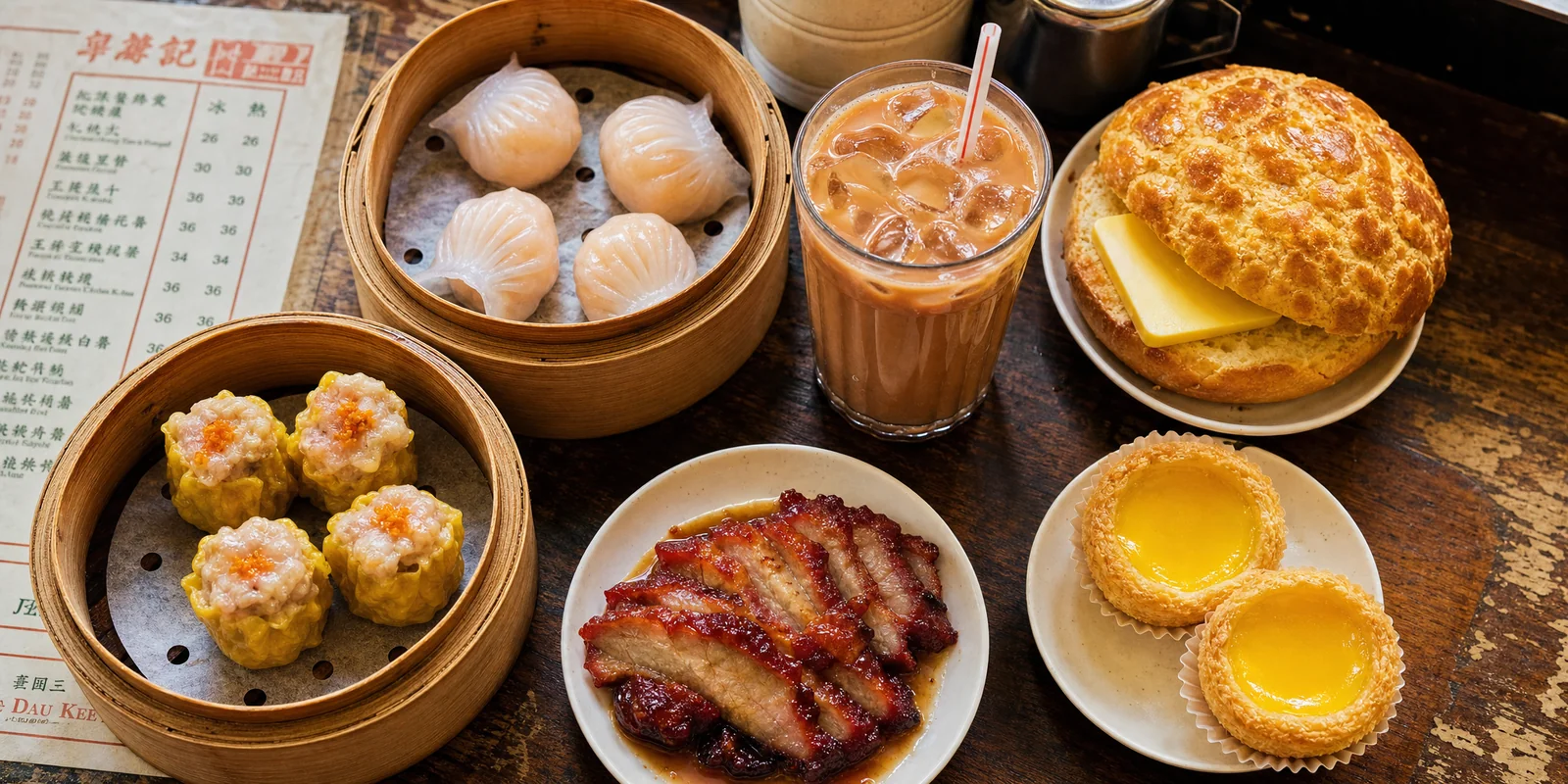
From the world's cheapest Michelin dim sum to Temple Street night market stalls and cha chaan teng milk tea — here's...
Sanya Beach Resort Guide
Sanya is China's only tropical beach destination, sitting at the southern tip of Hainan Island. Here's how to pick...
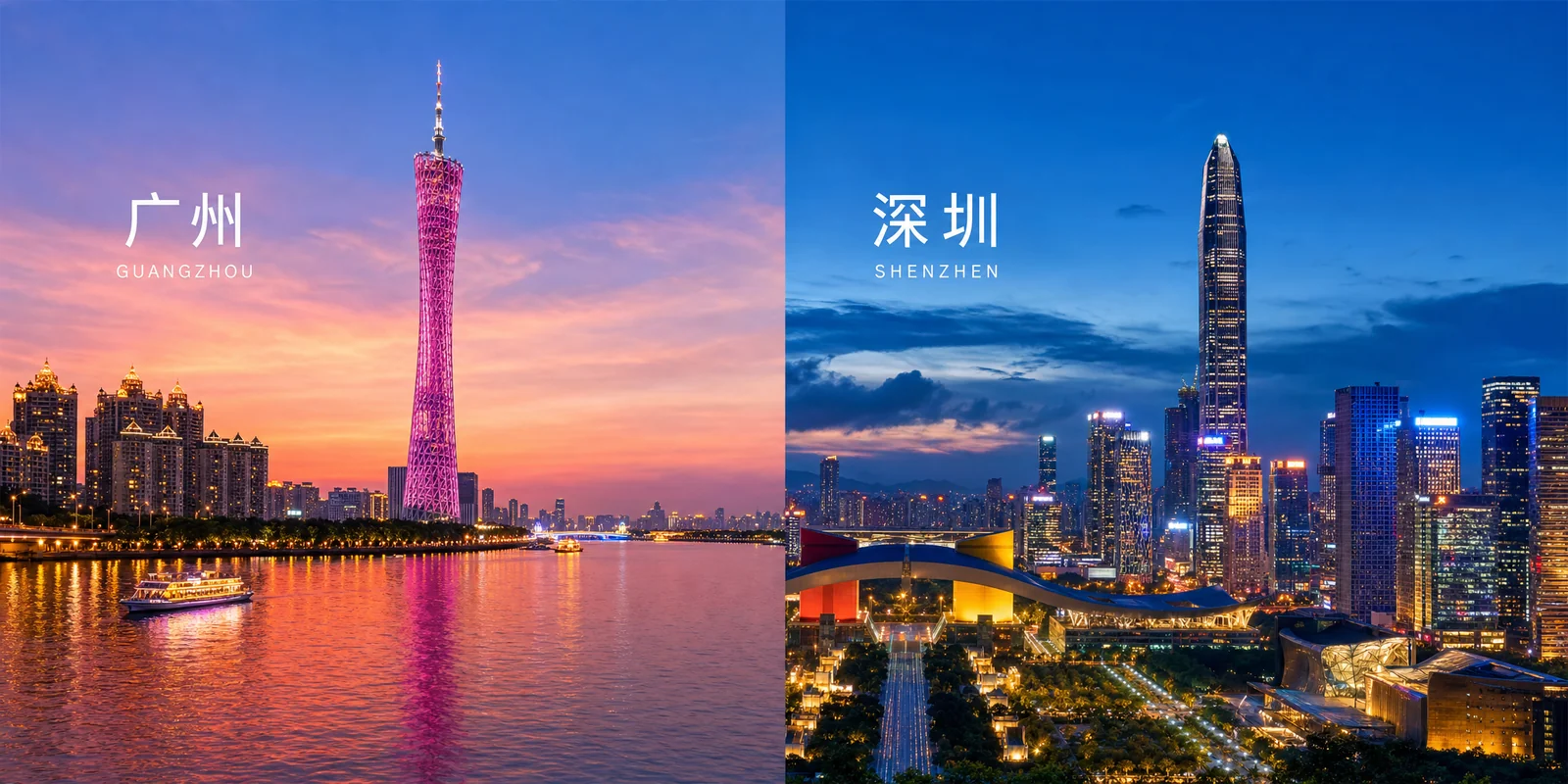
Guangzhou & Shenzhen Guide
Two cities, one trip. Guangzhou brings 2,000 years of trade history and some of China's best food; Shenzhen is the...

Guilin & Yangshuo Travel Guide: Li River, Karst Peaks & Rice Terraces
Everything you need to plan a Guilin and Yangshuo trip: the Li River cruise, karst mountain scenery, Longji rice...