
This article contains affiliate links. If you make a purchase through these links, we may earn a small commission at no extra cost to you. This helps support our work in creating free travel guides.
Hong Kong packs an enormous amount of food into a small space. You can eat a Michelin-starred meal for under HK$100, slurp wonton noodles at a 60-year-old shop, and queue for an egg tart all in the same afternoon. The city runs on Cantonese cooking, but decades of British colonial history and trade left their mark too — which is why you'll find Hong Kong-style milk tea sitting next to dim sum baskets. This guide covers what to eat, where the famous spots actually are, and how to navigate it all without speaking a word of Cantonese.
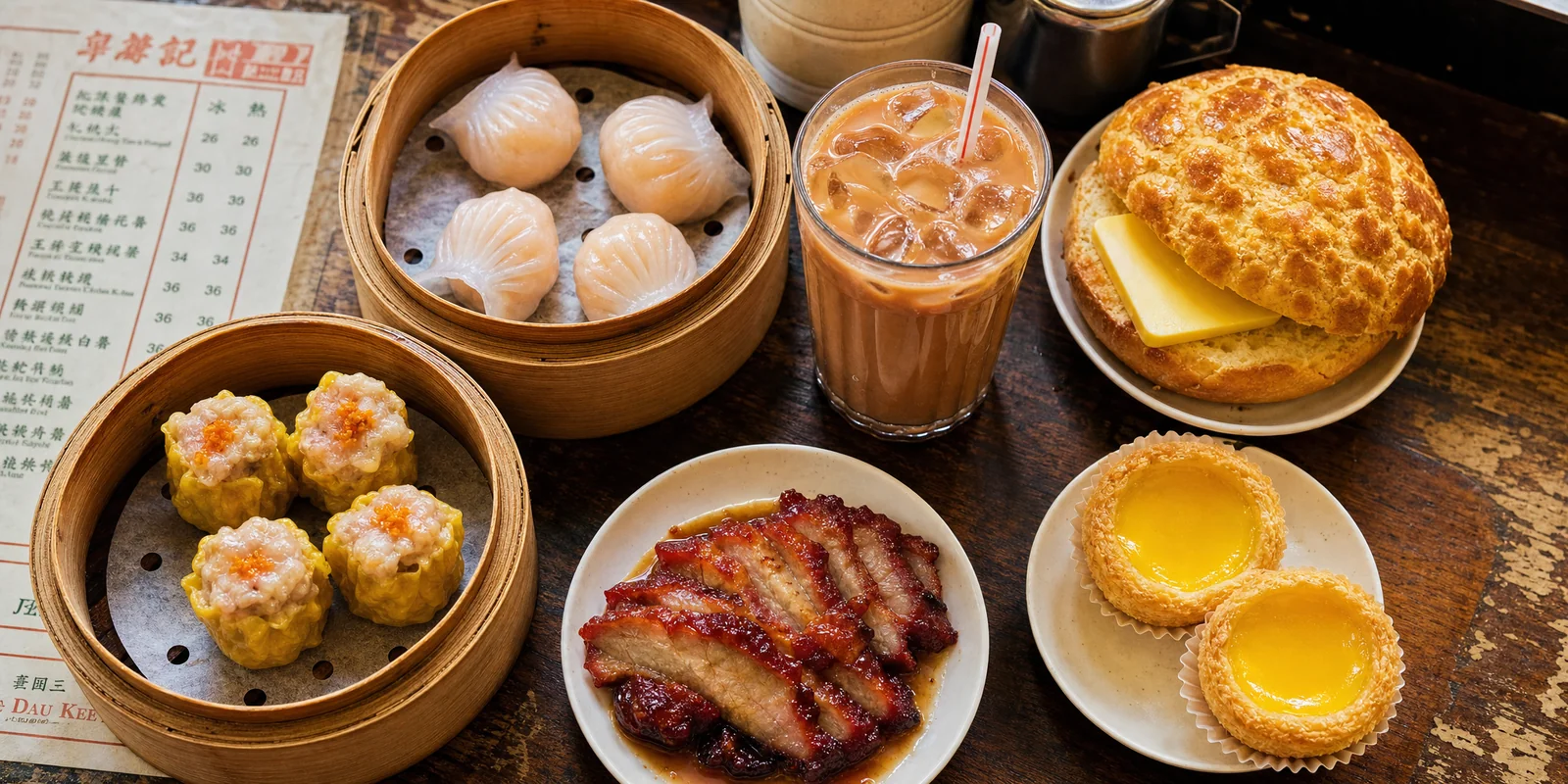
Dim Sum: Start Here
Dim sum (點心, dímsām) is the obvious entry point, and for good reason. These are small steamed or fried dishes — dumplings, buns, rolls — served in bamboo baskets, traditionally eaten in the morning or early afternoon alongside tea. The meal itself is called yum cha (飲茶), literally "drink tea."
The classics worth knowing: har gow (蝦餃, shrimp dumplings with translucent wrappers), siu mai (燒賣, open-topped pork and shrimp dumplings), char siu bao (叉燒包, fluffy steamed buns filled with sweet barbecue pork), and cheung fun (腸粉, silky rice noodle rolls). Order three or four baskets to start and add more as you go.
Tim Ho Wan — The Cheapest Michelin Star
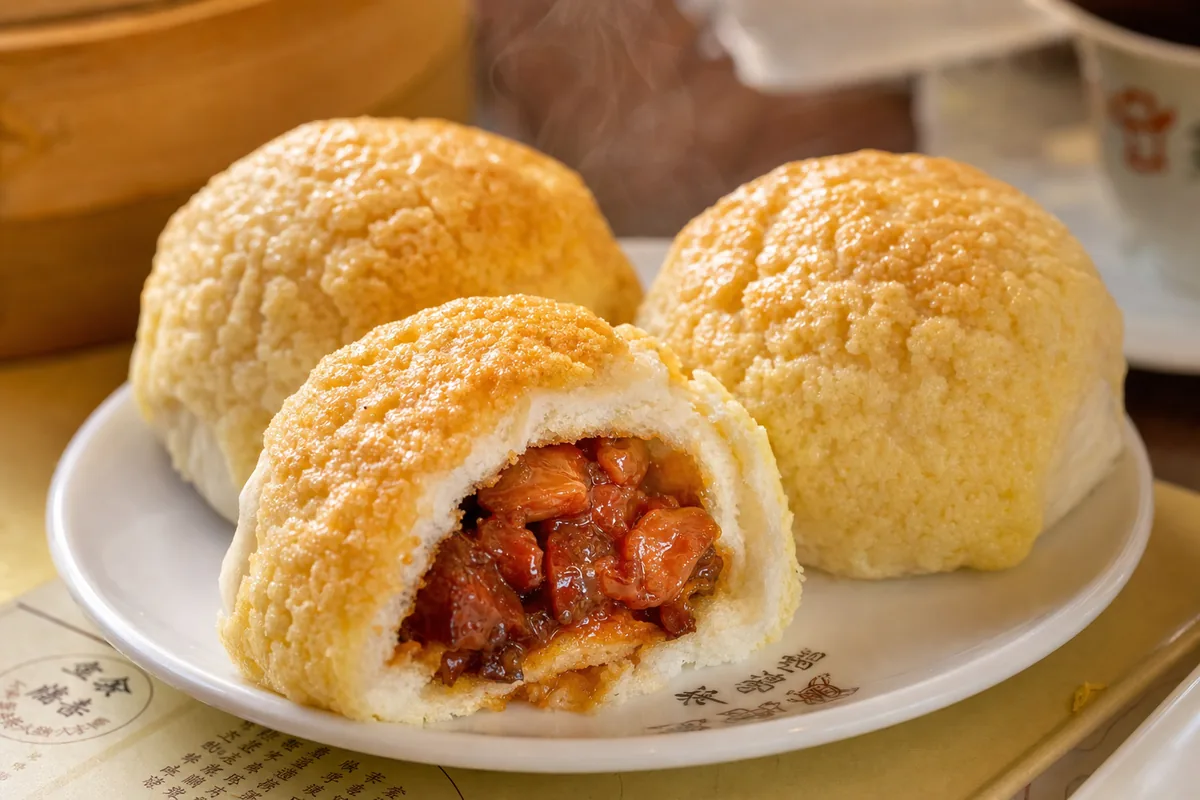
Tim Ho Wan (添好運) earned a Michelin star and global fame for proving that great dim sum doesn't need white tablecloths. The original was a tiny shop in Mong Kok; today there are several branches across the city. A full meal here runs roughly HK$60–120 per person, which is genuinely cheap for Michelin-recognized food anywhere on earth.
The thing to order is the baked char siu bao — barbecue pork buns with a crisp, sweet pastry crust instead of the usual steamed dough. They're the signature dish and worth the trip alone. Pair them with har gow and the steamed rice rolls.
For a more traditional experience, the big old-school dim sum halls — like Lin Heung Tea House or the historic teahouses in Central — serve dishes from rolling carts. Staff push trolleys past your table and you point at what you want. It's noisy, crowded, and exactly how locals have done it for generations.
Cha Chaan Teng: Hong Kong's Diners
If you only understand one thing about everyday Hong Kong eating, make it the cha chaan teng (茶餐廳, chàhchāantēng). These are fast, no-frills diners that emerged in the post-war era, blending Cantonese cooking with Western dishes the British brought over. The result is a uniquely Hong Kong menu you won't find anywhere else in China.
What to order:
- Hong Kong-style milk tea (港式奶茶) — strong black tea brewed through a cloth filter (nicknamed "silk stocking") and mixed with evaporated milk. Bold, slightly bitter, faintly sweet.
- Pineapple bun (菠蘿包, bōlòbāau) — a sweet bun with a crackly sugar crust on top. No actual pineapple; the name comes from the pattern. Order it bo lo yau with a thick slab of cold butter inside.
- Macaroni soup with ham — breakfast macaroni in a light broth. Sounds strange, tastes comforting.
- French toast (西多士) — deep-fried, stuffed with peanut butter, topped with syrup and butter. A dessert disguised as breakfast.
- Scrambled egg sandwich and baked pork chop rice — solid all-day options.
Cha chaan teng are everywhere, in every neighborhood. Famous names include Australia Dairy Company in Jordan (legendary for scrambled eggs and brusque service), Lan Fong Yuen in Central (claims to have invented silk-stocking milk tea), and Kam Wah Cafe in Mong Kok (excellent pineapple buns and egg tarts). A meal runs HK$40–70.
Egg Tarts and Char Siu
Two Hong Kong staples deserve their own mention.
Egg tarts (蛋撻, dáantàat) come in two crust styles: a flaky puff pastry version and a sweeter shortcrust (cookie-dough) version. The custard should be smooth and just set. Tai Cheong Bakery in Central is the most famous for the shortcrust style and has been going for decades. Honolulu Coffee Shop in Wan Chai is known for an exceptionally flaky puff-pastry tart. Eat them warm if you can.
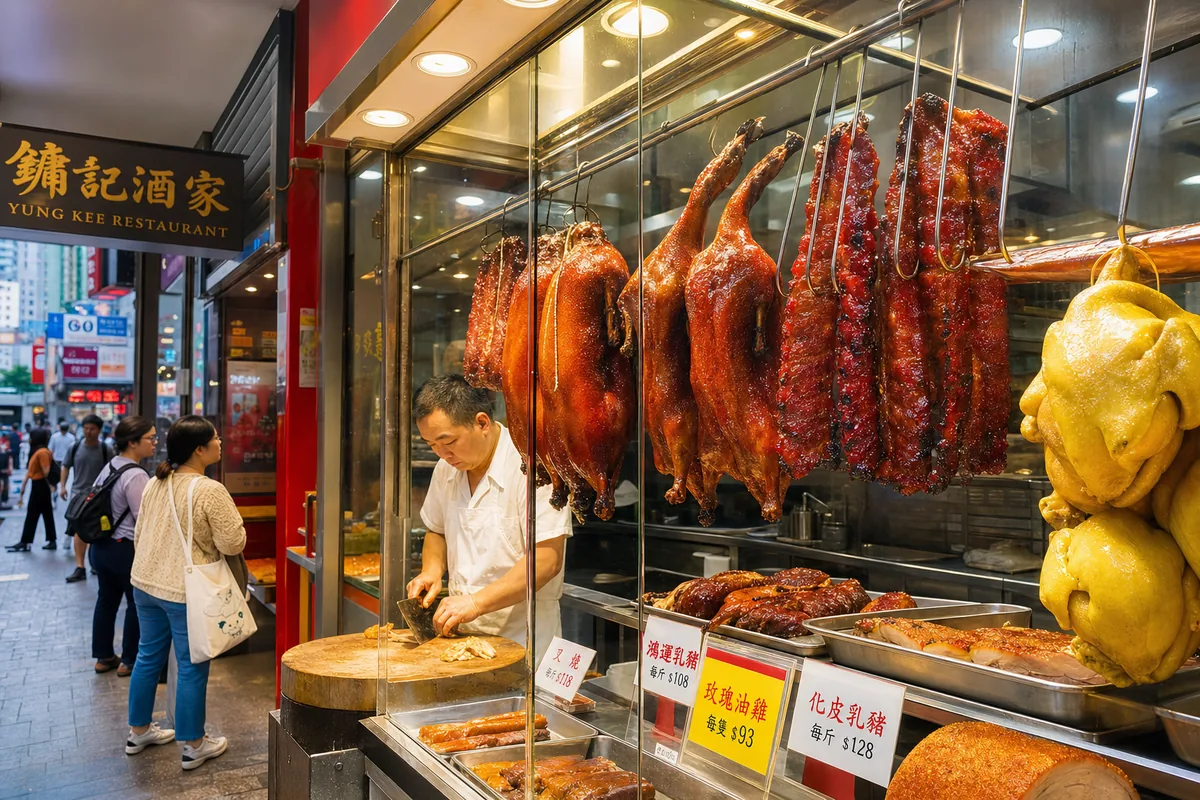
Char siu (叉燒) — Cantonese barbecue pork — is glazed, roasted, and sliced to order. You'll see it hanging in the windows of siu mei (燒味, roast meat) shops alongside roast goose, soy chicken, and crispy-skinned pork belly. Order a plate of char siu over rice, or a mixed roast meat plate, at any roast meat shop or cha chaan teng. Yat Lok in Central holds a Michelin star mainly for its roast goose, but its char siu is excellent too.
Temple Street Night Market
Temple Street (廟街) in Yau Ma Tei is Hong Kong's most famous night market, and while a lot of the stalls sell trinkets and knock-off goods, the real reason to come is the food. The street comes alive after dark, roughly from 7pm onwards, and the open-air dai pai dong-style restaurants spilling onto the pavement are the main event.
What to eat here:
- Typhoon shelter crab (避風塘炒蟹) — crab stir-fried under a mountain of crispy fried garlic and chili. Messy and worth it.
- Claypot rice (煲仔飯) — rice cooked in a clay pot until the bottom forms a crispy crust, topped with Chinese sausage, chicken, or eel. A winter favorite.
- Stir-fried clams in black bean sauce and other seafood, cooked to order at the curbside woks.
It's touristy, yes, but the food is genuinely good and the atmosphere — fortune tellers, street performers, neon signs — is part of the appeal. Prices are higher than a regular restaurant, so check the menu before ordering and confirm prices for seafood, which is often sold by weight.
Mong Kok Street Food
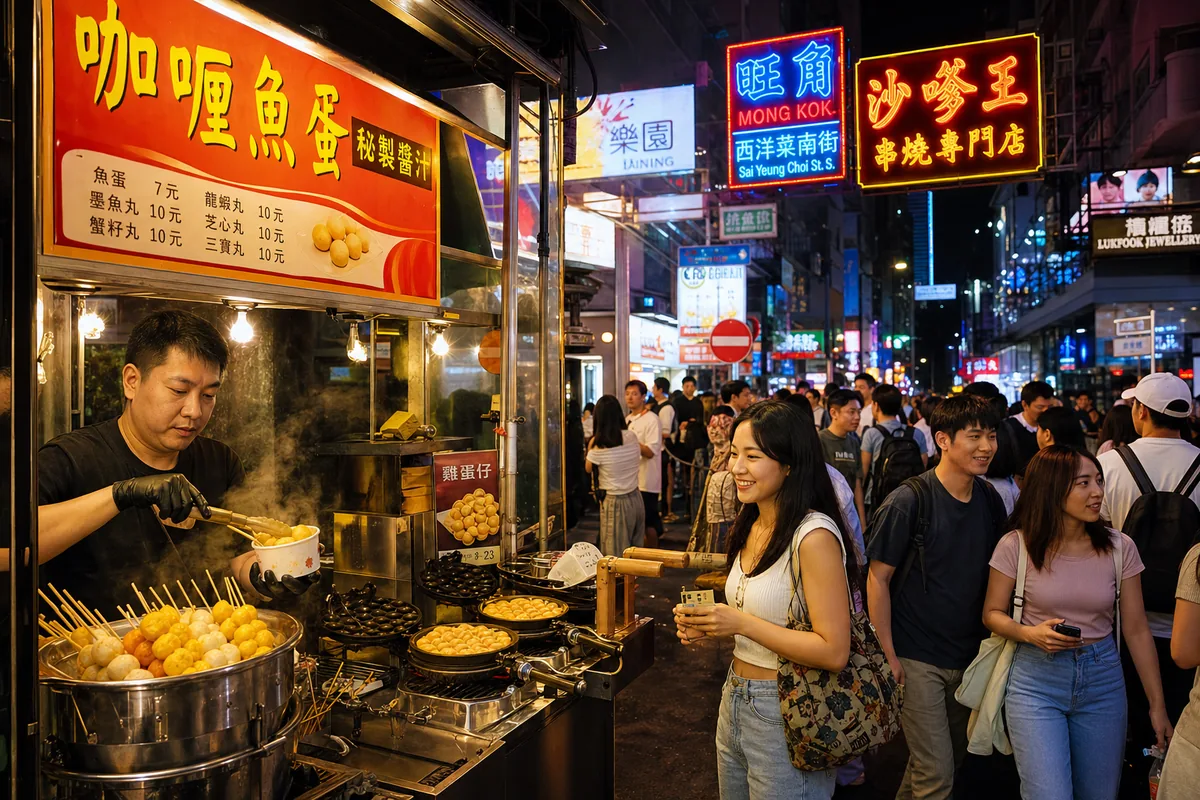
Mong Kok (旺角) is one of the most densely packed neighborhoods on earth, and it's where Hong Kong street food really shines. Walk along Sai Yeung Choi Street and the lanes around it, and you'll find snack stalls every few meters. This is grab-and-go eating, cheap and fast.
The street food canon:
- Curry fish balls (咖喱魚蛋) — springy fish balls in curry sauce on a bamboo skewer. The unofficial snack of Hong Kong.
- Egg waffles (雞蛋仔, gāidáanjái) — a sweet, eggy batter cooked into a sheet of connected golden spheres. Crispy outside, soft inside. Eat it fresh and hot.
- Siu mai (the street version) — bigger, fishier, doused in soy and chili, sold by the cup.
- Stinky tofu (臭豆腐) — you'll smell it before you see it. Deep-fried, pungent, surprisingly tasty if you can get past the aroma.
- Cheung fun with sweet sauce and sesame — the street stall version, cut into pieces and sauced up.
- Roasted chestnuts and dried squid in cooler months.
Most snacks cost HK$15–40. Bring small cash — many street stalls still prefer it, though Octopus card (the city's tap-to-pay transit and payment card) is increasingly accepted.
A Few More Things Worth Eating
Beyond the headliners, a few dishes round out a proper Hong Kong food trip:
- Wonton noodles (雲吞麵) — thin springy noodles in clear broth with shrimp-and-pork wontons. Mak's Noodle and Tsim Chai Kee in Central are the famous rivals; both are good.
- Roast goose (燒鵝) — crispy skin, rich meat. Yung Kee and Yat Lok are the names to know.
- Congee (粥) — silky rice porridge, often with fish or preserved egg and pork. A great hangover or early-morning meal.
- Dai pai dong (大排檔) — open-air street kitchens, a dying breed in Hong Kong. Find the remaining ones in Central (Stanley Street) and Sham Shui Po for wok-fried dishes and cold beer at plastic tables.
How to Eat Well Without Speaking Cantonese
Hong Kong is one of the easier places in China to eat as a foreigner. English is widely understood, especially in restaurants and at popular food spots, and many menus have English or at least pictures.
- Pointing works. At dim sum carts, street stalls, and roast meat shops, you can simply point at what you want.
- Payments: Get an Octopus card for small purchases and transit. Many sit-down restaurants take cards and increasingly Alipay/WeChat Pay, but street stalls and small shops often want cash, so keep some Hong Kong dollars on you.
- Tipping: Not expected at casual spots. Sit-down restaurants often add a 10% service charge automatically — check your bill.
- Tea etiquette: At yum cha, tap two fingers on the table to say "thank you" when someone refills your tea. Leave the teapot lid ajar to signal you want a refill.
For more on ordering strategies across China, see our guide on how to order food with zero Chinese, and if you have dietary restrictions, our food safety and dietary restrictions guide covers the basics.
Should You Do a Food Tour?
If you have limited time and want someone to handle the where-and-what, a guided food tour can be worth it — especially for navigating areas like Sham Shui Po or Kowloon's back streets where the best stalls aren't obvious. A good tour packs in five or six stops you might not find alone and explains what you're eating. You can browse and book Hong Kong food tours on Klook, which lists several walking tours in Central, Mong Kok, and Sham Shui Po.
That said, Hong Kong is compact and the food scene is accessible enough that most travelers do fine self-guided. Use this list, pick a neighborhood per meal, and walk.
When to Come
Food is good year-round, but autumn (September to November) and winter (December to February) are the most comfortable times to walk and eat — cooler, drier, and the season for claypot rice and roast goose. Summer is hot and humid, which makes street-food crawls sweaty work, though the air-conditioned cha chaan teng are a refuge.
The Bottom Line
You don't need a plan more complicated than this: have dim sum for one meal (Tim Ho Wan if you want the cheap Michelin badge, an old cart-style hall if you want tradition), eat at a cha chaan teng for milk tea and a pineapple bun, hit Temple Street one evening for typhoon shelter crab, and snack your way through Mong Kok after dark. Add an egg tart and a plate of char siu somewhere along the way. That's a genuinely great food trip, and it'll cost far less than you'd expect.
If Hong Kong is part of a bigger southern China trip, our Hong Kong & Macau guide covers logistics and sights, and the Hong Kong shopping guide pairs well with a food-focused day out. For broader context on regional cooking, see our guide to Chinese cuisine by region.
Prices and opening hours change, and famous shops occasionally relocate or close — it's worth a quick check before making a special trip.
Last updated: June 2026
Read in other languages
Last train times for 10 Chinese metro systems
Every line and station, checked by hand — the same data behind our offline route planner.
Get the WaysChina App
Offline guides, currency converter, essential phrases, and more — all in your pocket.

Related Articles
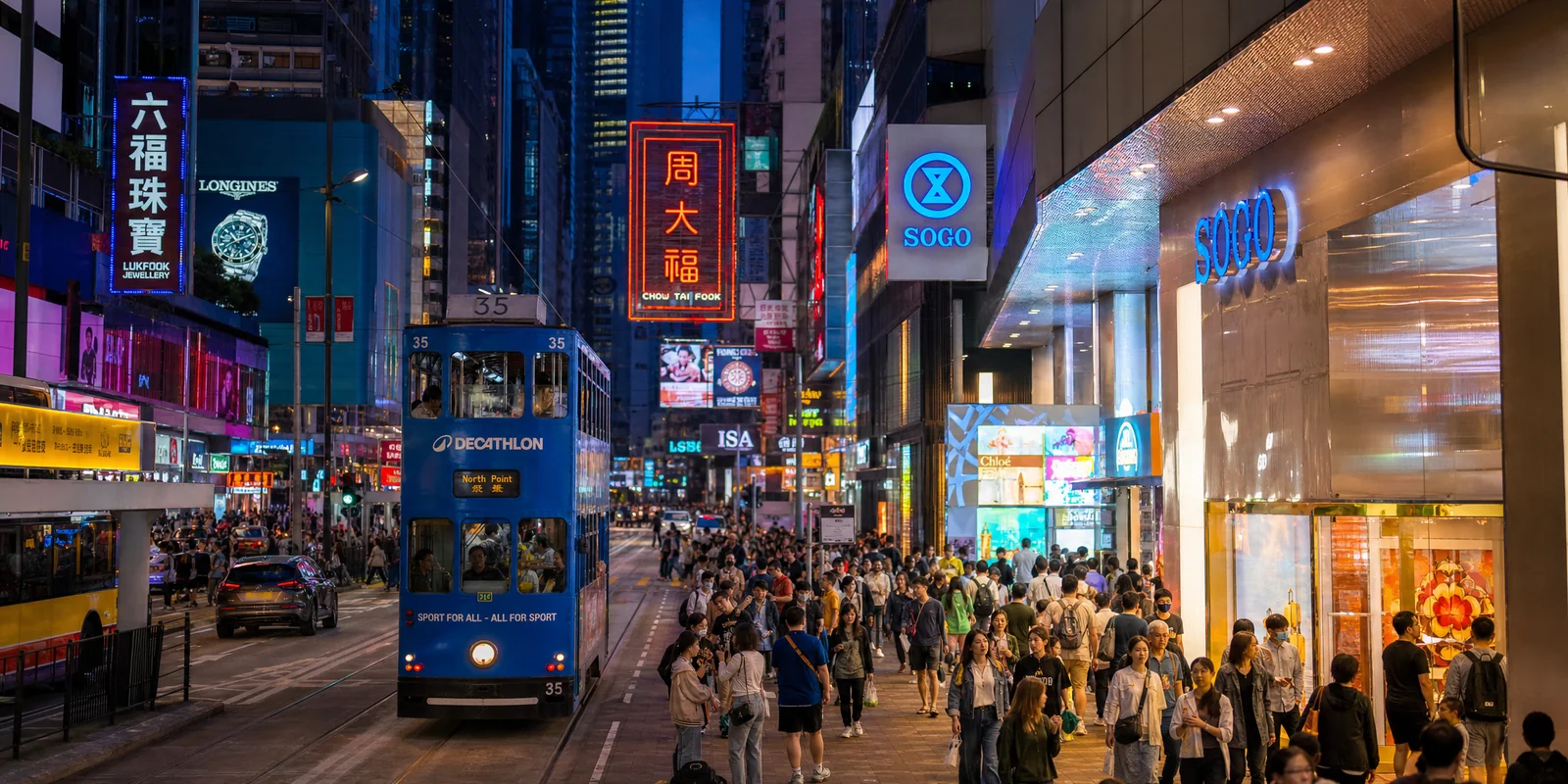
Hong Kong Shopping Guide
From Causeway Bay's luxury malls to the haggling stalls of Ladies' Market and budget streetwear in Sham Shui Po,...
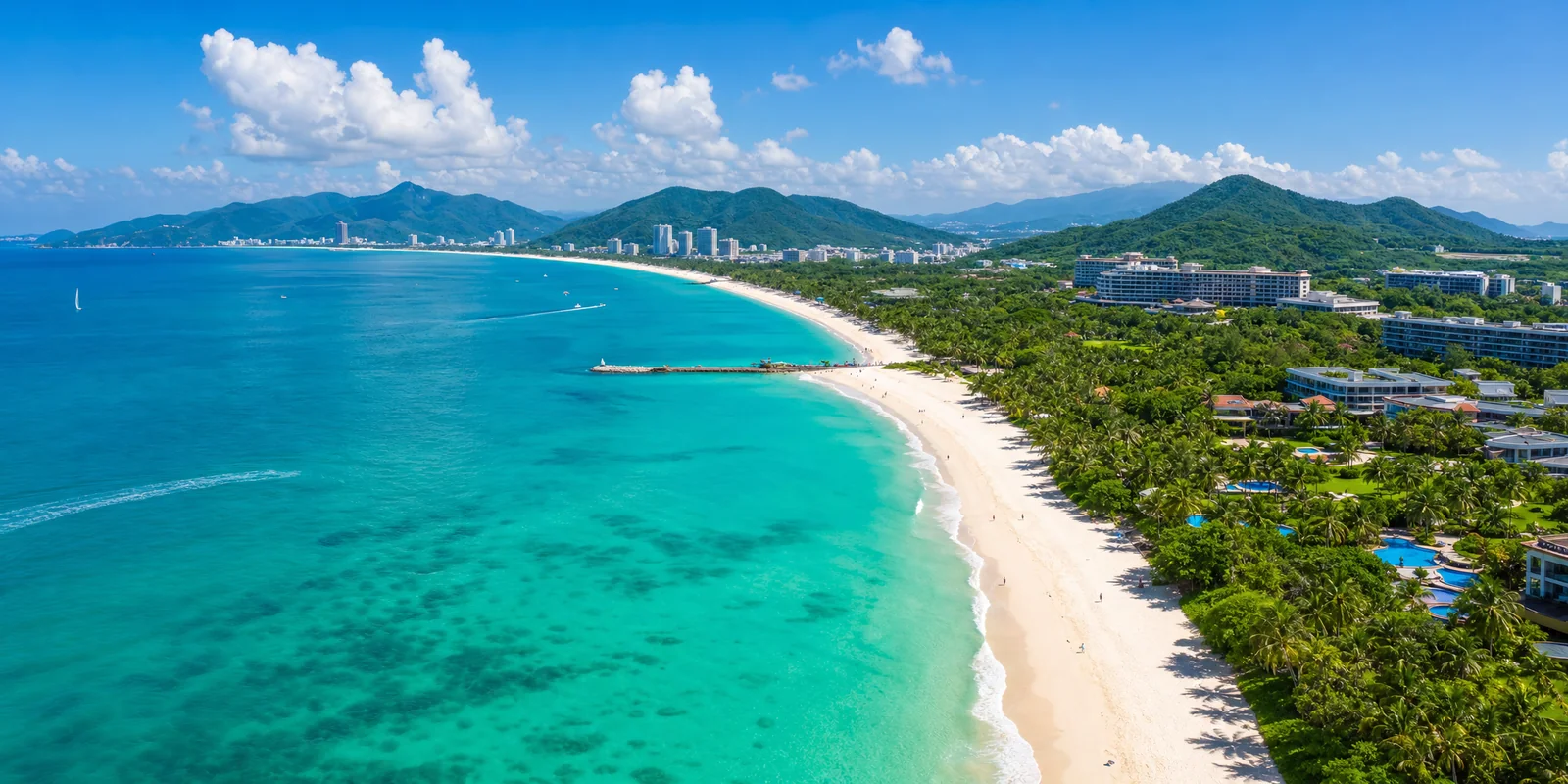
Sanya Beach Resort Guide
Sanya is China's only tropical beach destination, sitting at the southern tip of Hainan Island. Here's how to pick...
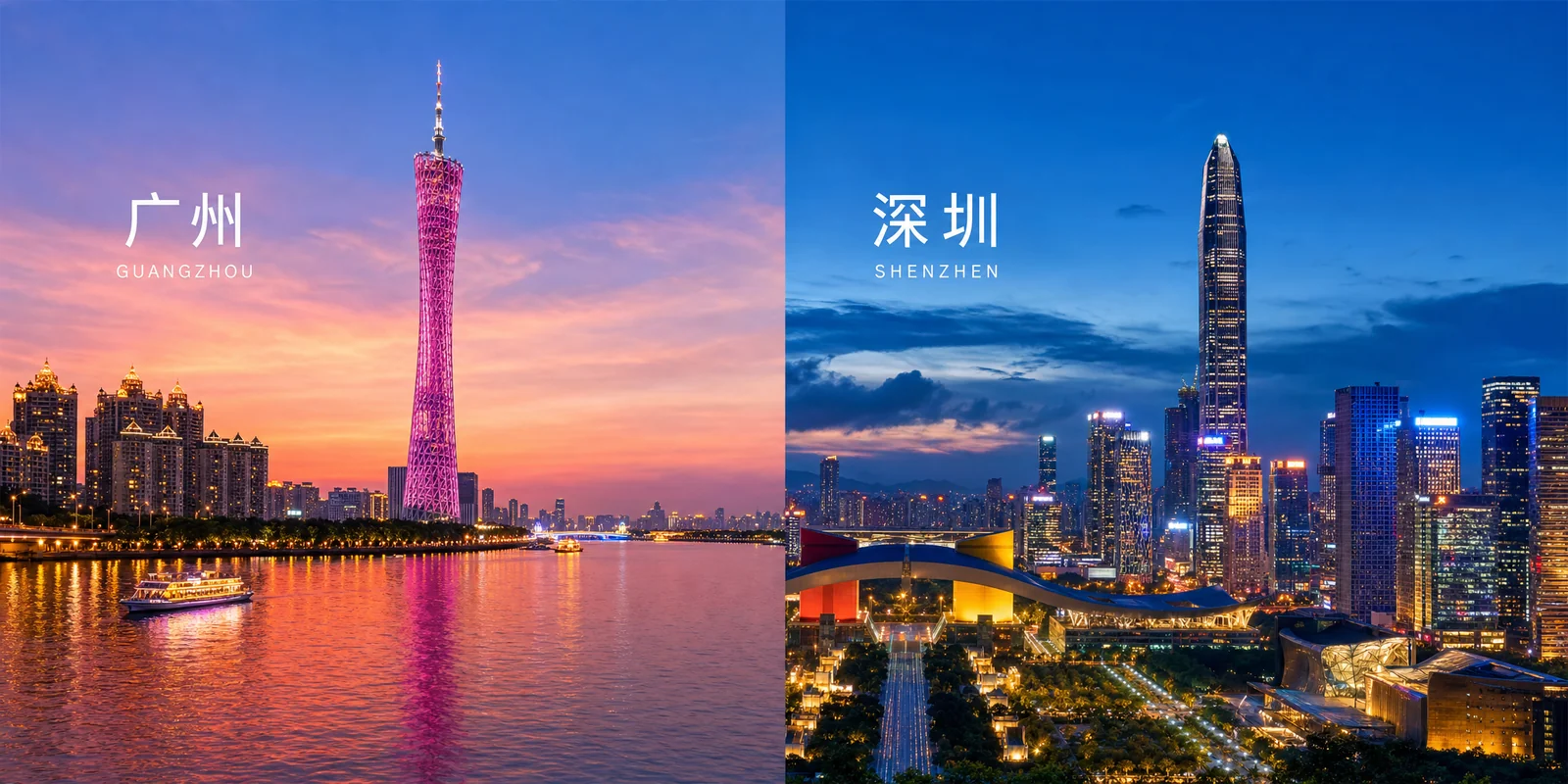
Guangzhou & Shenzhen Guide
Two cities, one trip. Guangzhou brings 2,000 years of trade history and some of China's best food; Shenzhen is the...

Guilin & Yangshuo Travel Guide: Li River, Karst Peaks & Rice Terraces
Everything you need to plan a Guilin and Yangshuo trip: the Li River cruise, karst mountain scenery, Longji rice...