
The short answer: in China, you generally don't tip. Restaurants don't add a tip line to the bill, taxi drivers won't wait for extra cash, and hotel staff aren't counting on it. For most travelers coming from the US — where tipping is expected almost everywhere — this takes some adjustment. The instinct to leave 15–20% is hard to switch off, but doing so here can actually create confusion rather than goodwill.
This guide explains why tipping never became part of Chinese service culture, the handful of situations where it does happen (mostly involving tourists), and exactly what to do so you're neither stingy nor awkwardly overgenerous.
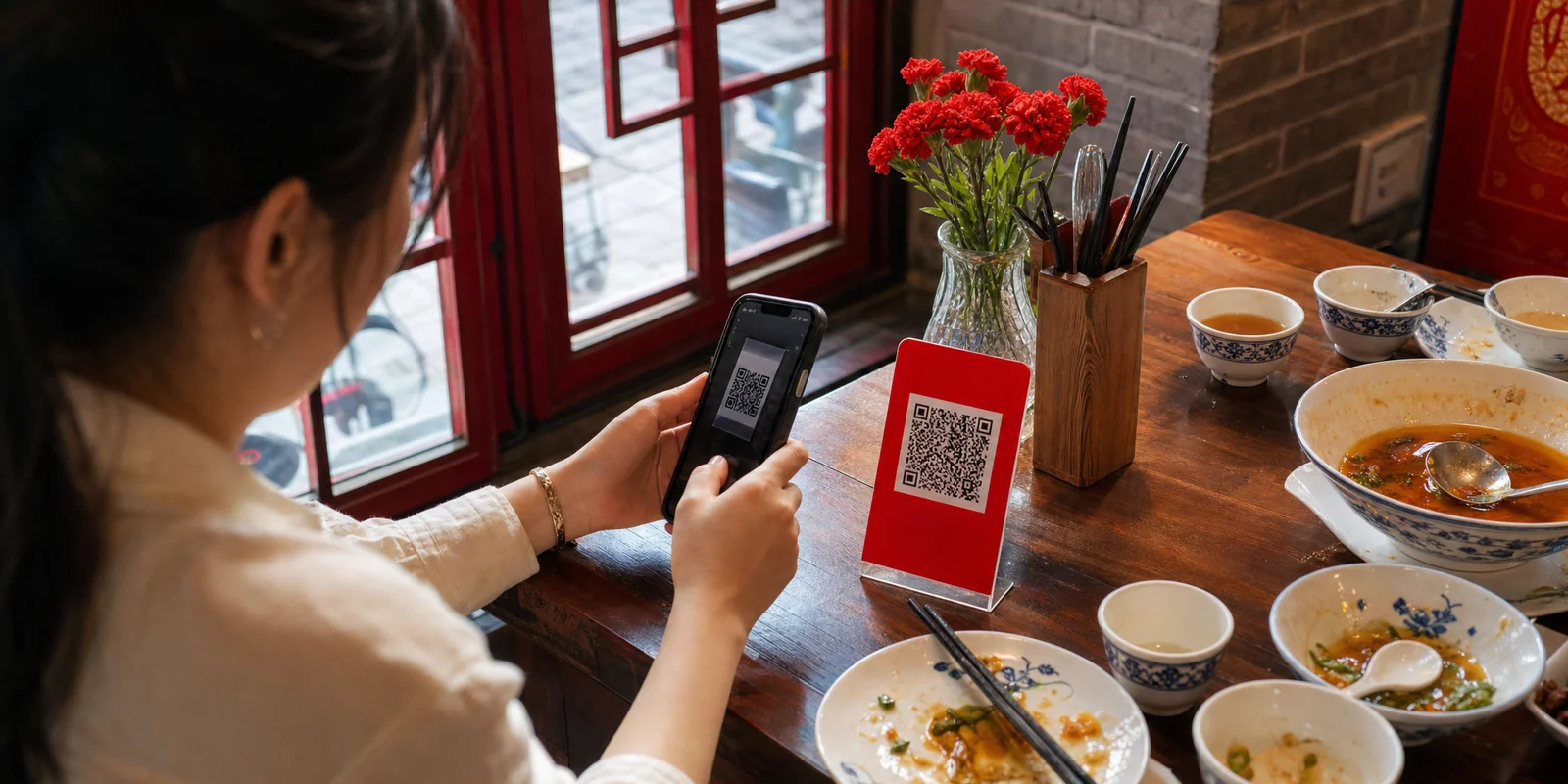
Do You Tip in China? The Honest Answer
No, tipping is not expected in mainland China, and in most everyday settings it isn't done at all. Service workers are paid a set wage and don't rely on tips to make a living. When you pay for a meal, a taxi, or a haircut, the price you see is the full price. Walk away after paying and that's the end of the transaction — no one is waiting for a little extra.
This applies to the vast majority of situations you'll encounter:
- Restaurants and cafés — pay the bill, that's it
- Taxis and ride-hailing — pay the metered or app fare
- Convenience stores and shops — no tipping, ever
- Street food and food courts — pay the listed price
- Most hotels — no tip expected for check-in or general service
There are a few exceptions, mostly in the tourism industry and in high-end international hotels, which we'll cover below. But your default assumption should be: don't tip.
Why Tipping Never Took Hold in China
Understanding the why makes the whole thing easier to navigate. A few factors come together here.
Wages aren't structured around tips
Unlike the US restaurant model, where servers may earn a low base wage and depend on tips, Chinese service workers are paid a full wage by their employer. There's no built-in expectation that customers will top up someone's income. The menu price covers the service.
The cultural backdrop
Historically, offering money for ordinary service could be read as implying the worker is of lower status or in need of charity — not as a compliment. While attitudes have softened and most people today simply find tips unnecessary rather than offensive, the underlying idea that good service is just part of the job remains strong.
Mobile payments sealed the deal
Almost all transactions now run through Alipay (支付宝, Zhīfùbǎo) and WeChat Pay (微信支付, Wēixìn Zhīfù) via QR codes. You scan, you pay the exact amount, you're done. There's no "round up" prompt and no tip line. The payment system itself makes tipping inconvenient, which has reinforced the no-tip norm even further.
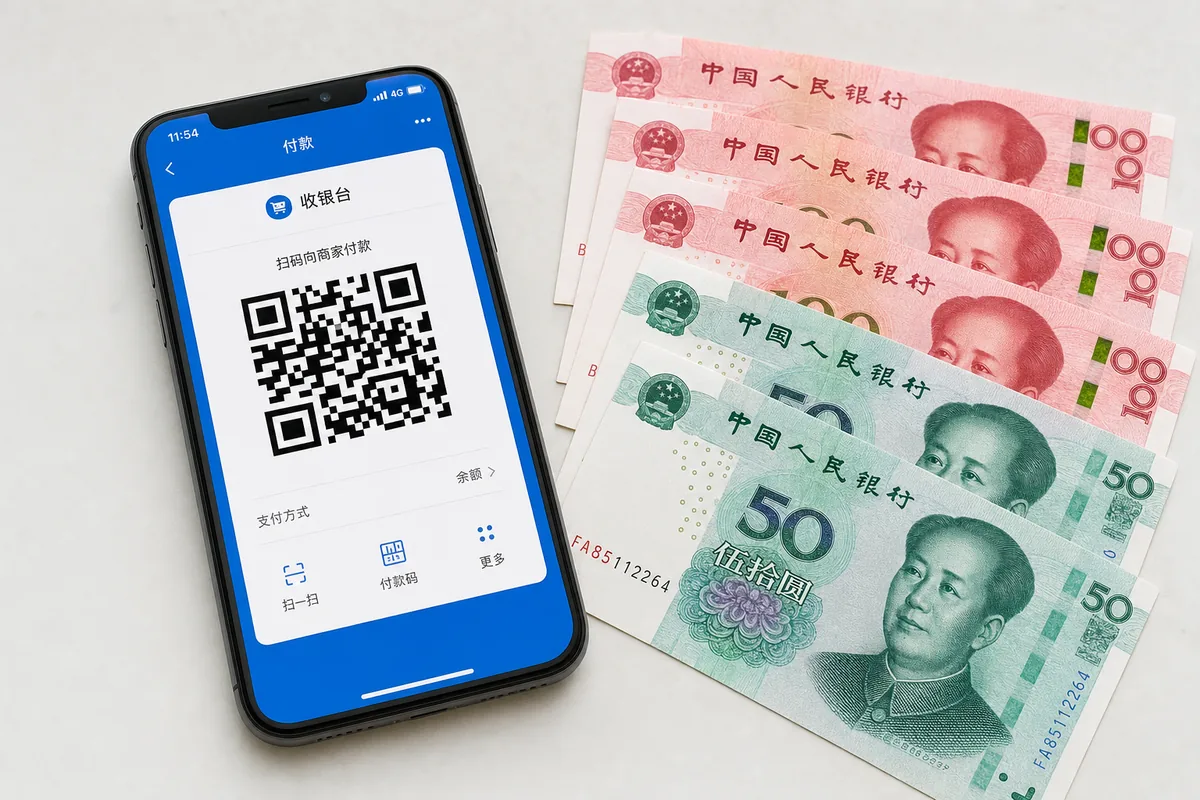
Is It Rude to Not Tip in China? And Is It Rude to Tip?
Not tipping is completely normal and never rude. You will never be chased down or given a dirty look for not leaving extra.
Tipping, on the other hand, occasionally causes mild confusion. A waiter might try to return the money thinking you forgot your change, or a taxi driver might not understand why you're handing over more than the fare. It's not offensive in modern China — most people will just be slightly puzzled — but it can create an awkward little moment where they're trying to give your money back. In small local restaurants, leaving cash on the table may genuinely be seen as something you forgot.
The Exceptions: Where Tipping Does Happen
There's a narrow set of situations — almost all connected to international tourism and luxury hospitality — where tipping has become more common, largely because foreign visitors brought the habit with them. Here's where and how much.

Tour guides and drivers
This is the single most common tipping situation for travelers. Private tour guides and drivers who work with international visitors generally do expect tips, especially on multi-day organized tours. The tourism industry has adapted to foreign norms here.
- Private tour guide: roughly ¥100–200 per day for the group
- Driver: roughly ¥50–100 per day
- Group/bus tours: a smaller amount per person, often pooled — your tour operator may give guidance
Hand the tip directly to the guide or driver in an envelope or discreetly at the end of the tour or day. If the service was poor, you're under no obligation. If a tour company tells you tips are "mandatory" or pressures you mid-tour, that's a red flag worth being aware of.
High-end and international hotels
At five-star and international-brand hotels, especially those used to Western and business travelers, tipping for specific services is accepted (though still not expected):
- Bellhop carrying bags: ¥10–20
- Housekeeping: ¥10–20 per day, left in the room if you wish
- Concierge for a special arrangement: ¥20–50 at your discretion
At budget hotels, hostels, and most domestic-chain hotels, none of this applies. Don't tip the front desk.
Spas, massage, and salons
At ordinary local massage parlors and salons, no tip is needed. At high-end spas inside luxury hotels or resorts catering to international clients, a small tip (around 10%) may be appreciated but is never required.
Bars and clubs in big cities
In international-style cocktail bars in cities like Shanghai, Beijing, and Shenzhen, some bartenders — particularly at expat-oriented venues — have come to appreciate tips. It's optional and casual: rounding up or leaving ¥10–20 is plenty. At regular Chinese bars and KTV, it's not a thing.
Quick Reference: Tipping by Situation
| Situation | Tip Expected? | Suggested Amount |
|---|---|---|
| Restaurants (local & most) | No | — |
| Cafés, street food, fast food | No | — |
| Taxis & ride-hailing (Didi) | No | — |
| Convenience stores & shops | No | — |
| Budget & mid-range hotels | No | — |
| Private tour guide | Yes (common) | ¥100–200/day per group |
| Private driver | Yes (common) | ¥50–100/day |
| Luxury hotel bellhop | Optional | ¥10–20 |
| Luxury hotel housekeeping | Optional | ¥10–20/day |
| High-end spa | Optional | ~10% |
| International cocktail bars | Optional | Round up / ¥10–20 |
How to Tip Practically (When You Do)
If you find yourself in one of the exception situations, a few practical notes:
- Use cash. Because tipping isn't built into payment apps, cash is by far the easiest way. Keep some ¥10, ¥20, and ¥50 notes on hand if you're doing a guided tour. See our guide on where to exchange money for getting cash before you go.
- Hand it over directly. Give the tip to the person rather than leaving it lying around, where it might be treated as forgotten change.
- Be discreet but clear. A simple gesture and "this is for you, thank you" removes any ambiguity.
- Don't over-tip out of guilt. Tipping ¥500 to a guide because that's what you'd do back home just creates awkwardness. Stick to local norms.
What This Means for Your Budget
One practical upside: for most travelers, tipping simply isn't a line item in China. You don't need to mentally pad every restaurant bill by 20% or keep a running tally of who you owe. The price is the price. The main exception to budget for is guided tours — if you're booking private guides and drivers, set aside a small daily tipping allowance and you'll be covered. For a fuller picture of costs, see our China travel budget guide.
Bottom Line
In everyday China — restaurants, taxis, shops, most hotels — you don't tip, and not tipping is never rude. The price you're quoted is the full price, and mobile payment apps don't even leave room for a tip. The few exceptions are concentrated in international tourism: private tour guides (¥100–200/day) and drivers (¥50–100/day) generally do expect a tip, and luxury international hotels accept small optional tips for specific services. When you do tip, use cash and hand it over directly.
Beyond money, the best thing you can offer service workers in China is patience and a polite "xièxie." To avoid other common cultural missteps, take a look at our guide to cultural etiquette and taboos before you travel.
Related Reading
- Cultural Etiquette & Taboos
- China Travel Budget Guide
- Understanding Chinese Payment Systems
- Taxis & Ride-Hailing in China
- Where to Exchange Money
Last updated: June 2026
Read in other languages
Last train times for 10 Chinese metro systems
Every line and station, checked by hand — the same data behind our offline route planner.
Get the WaysChina App
Offline guides, currency converter, essential phrases, and more — all in your pocket.

Related Articles
Cultural Etiquette & Taboos
A practical guide to Chinese etiquette for travelers: greetings, table manners, gift giving, gestures to avoid, and...
Language Basics: Survival Chinese Phrases for Travelers
You don't need to speak Mandarin to travel China, but a few survival phrases make everything smoother. Here are the...