
You can get through a trip to China without speaking any Mandarin. Translation apps handle most situations, and younger people in big cities often know some English. But knowing 20 or 30 phrases changes the experience. A taxi driver relaxes when you say where you're going in Chinese. A noodle vendor smiles when you ask the price. And when your phone dies or there's no signal, a handful of memorized words can solve a real problem.
This guide covers the survival phrases that actually come up — greetings, ordering food, getting around, paying, and asking for help — plus how to pronounce them without learning the full tone system. There's a printable phrase card at the end you can keep in your pocket.

How Chinese Pronunciation Works (the 5-Minute Version)
Mandarin Chinese (普通话, Pǔtōnghuà) is a tonal language. The same syllable can mean different things depending on the pitch you say it with. The classic example: mā (mother), má (hemp), mǎ (horse), mà (scold). There are four main tones plus a neutral one.
Here's the honest part: as a traveler, you don't need to master tones. Native speakers understand a lot from context. If you point at a dish and say the word roughly right, they'll get it. Don't let tone anxiety stop you from trying.
The romanization system you'll see everywhere is called Pinyin (拼音, Pīnyīn). It uses the Latin alphabet, but some letters sound different than in English:
- c = "ts" as in "cats" (cài = tsai)
- q = "ch" as in "cheese" (qǐng = ching)
- x = soft "sh" (xièxie = shyeh-shyeh)
- zh = "j" as in "judge" (zhè = juh)
- z = "dz" (zài = dzai)
- r = somewhere between English "r" and "zh"
The tone marks above vowels (ā á ǎ à) show pitch. Flat, rising, dip-then-rise, and falling. Use them as a rough guide, not a test.
The Essentials: Greetings and Politeness
Start here. These are the phrases you'll use a dozen times a day.
| English | Chinese | Pinyin | Rough Pronunciation |
|---|---|---|---|
| Hello | 你好 | Nǐ hǎo | nee-how |
| Thank you | 谢谢 | Xièxie | shyeh-shyeh |
| You're welcome | 不客气 | Bú kèqi | boo kuh-chee |
| Sorry / Excuse me | 对不起 | Duìbuqǐ | dway-boo-chee |
| Excuse me (to get attention) | 不好意思 | Bù hǎoyìsi | boo how-yee-suh |
| Yes / Correct | 对 | Duì | dway |
| No / Not correct | 不对 | Bú duì | boo dway |
| Goodbye | 再见 | Zàijiàn | dzai-jyen |
| OK / Good | 好 | Hǎo | how |
One useful note: Chinese doesn't have a single word for "yes" and "no" the way English does. People usually answer by repeating the verb ("have"/"don't have," "is"/"isn't"). But duì (correct) and bú duì (not correct) work fine in most situations.
The Single Most Useful Phrase: "I Don't Understand"
When someone speaks to you in rapid Chinese, you'll want these:
| English | Chinese | Pinyin | Rough Pronunciation |
|---|---|---|---|
| I don't understand | 我听不懂 | Wǒ tīng bu dǒng | waw ting-boo-dong |
| I don't speak Chinese | 我不会说中文 | Wǒ bú huì shuō Zhōngwén | waw boo-hway shwaw jong-wun |
| Do you speak English? | 你会说英语吗? | Nǐ huì shuō Yīngyǔ ma? | nee hway shwaw ying-yoo ma |
| Please speak slowly | 请说慢一点 | Qǐng shuō màn yìdiǎn | ching shwaw man yee-dyen |
| Please write it down | 请写下来 | Qǐng xiě xiàlái | ching shyeh shya-lai |
Eating and Ordering Food
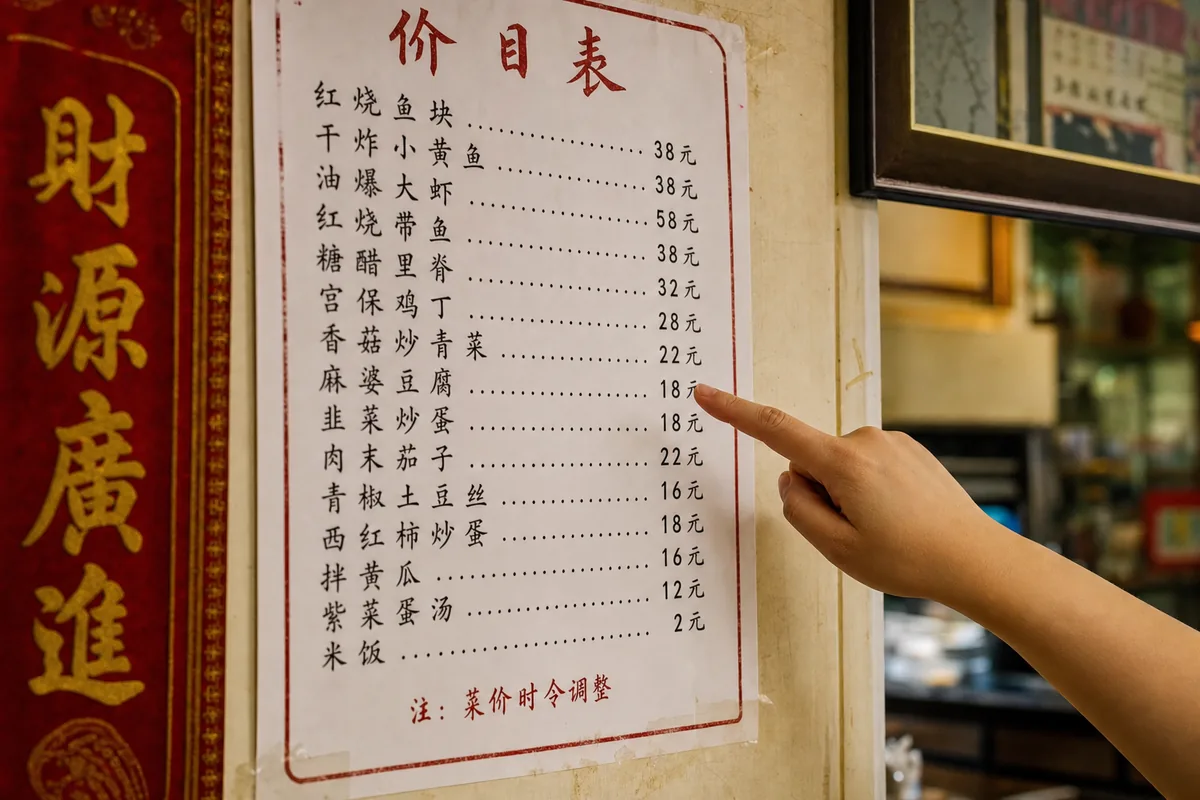
Food is where a few words pay off the most. Many smaller restaurants have no English menu and no English-speaking staff. Pointing works, but these phrases help.
| English | Chinese | Pinyin | Rough Pronunciation |
|---|---|---|---|
| Menu, please | 菜单 | Càidān | tsai-dan |
| I want this (while pointing) | 我要这个 | Wǒ yào zhège | waw yao juh-guh |
| The bill, please | 买单 | Mǎidān | my-dan |
| Delicious | 好吃 | Hǎochī | how-chir |
| Not spicy | 不要辣 | Bú yào là | boo yao la |
| A little spicy | 微辣 | Wēi là | way la |
| I'm vegetarian | 我吃素 | Wǒ chī sù | waw chir soo |
| No meat | 不要肉 | Bú yào ròu | boo yao roe |
| Water | 水 | Shuǐ | shway |
| Beer | 啤酒 | Píjiǔ | pee-jyoo |
Getting Around
For taxis and directions, having your destination written in Chinese characters is the single most reliable trick. Screenshot the Chinese name and address from a map app and show it to the driver. Still, these phrases help fill the gaps.
| English | Chinese | Pinyin | Rough Pronunciation |
|---|---|---|---|
| I want to go to... | 我要去... | Wǒ yào qù... | waw yao chyoo |
| Where is...? | ...在哪里? | ...zài nǎlǐ? | dzai na-lee |
| Train station | 火车站 | Huǒchēzhàn | hwaw-chuh-jan |
| Airport | 机场 | Jīchǎng | jee-chang |
| Subway / Metro | 地铁 | Dìtiě | dee-tyeh |
| Bathroom / Toilet | 厕所 / 洗手间 | Cèsuǒ / Xǐshǒujiān | tsuh-swaw / shee-show-jyen |
| Stop here | 停这里 | Tíng zhèlǐ | ting juh-lee |
| How much (to go there)? | 多少钱? | Duōshǎo qián? | dwaw-shao chyen |
| Left | 左 | Zuǒ | dzwaw |
| Right | 右 | Yòu | yoe |
| Straight ahead | 直走 | Zhí zǒu | jir dzoe |
Shopping and Paying
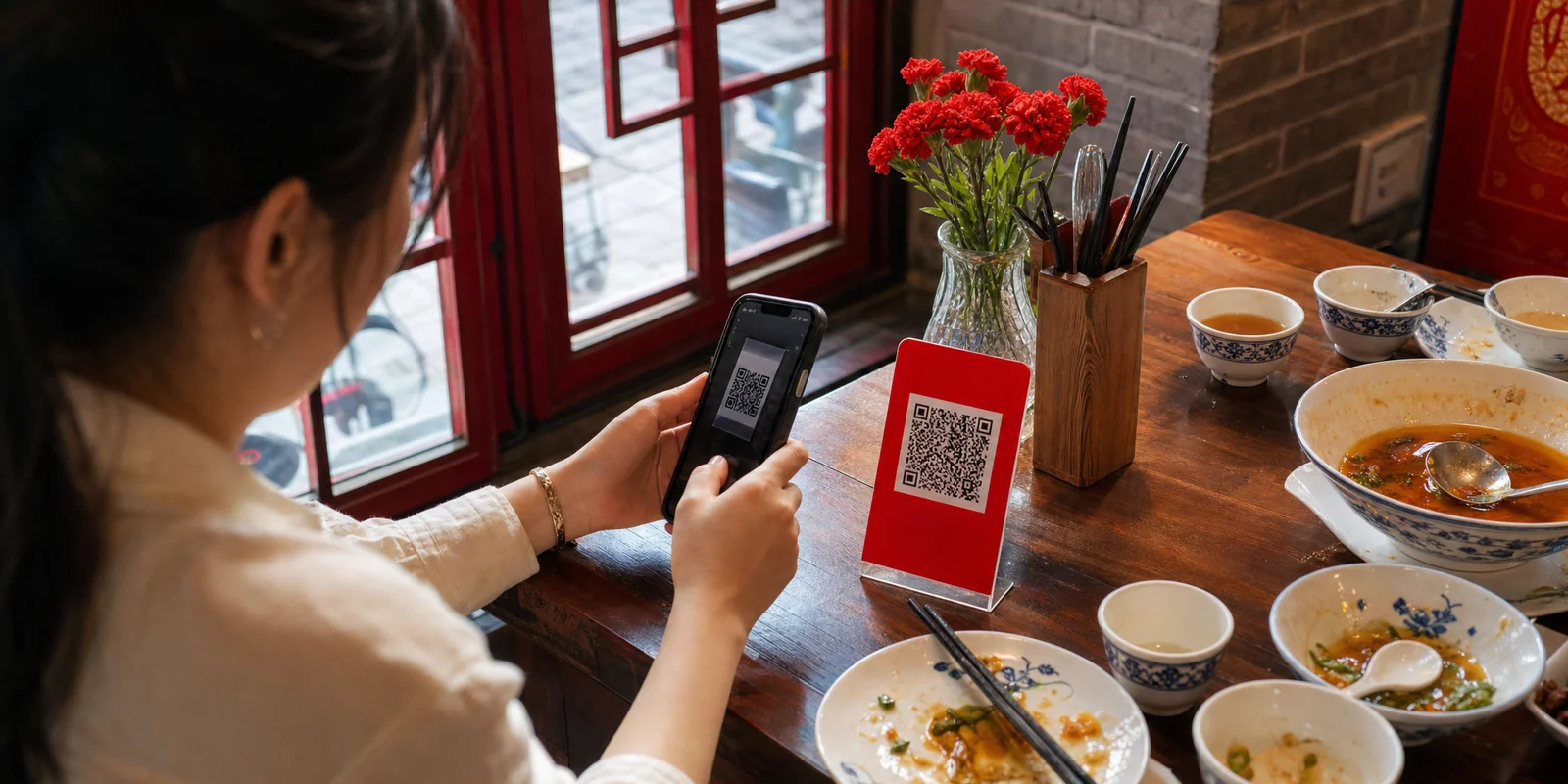
Almost everything in China runs on QR code payments. Once your Alipay (支付宝, Zhīfùbǎo) or WeChat Pay is set up, you mostly just scan and tap. But you'll still talk about price and quantity, especially at markets.
| English | Chinese | Pinyin | Rough Pronunciation |
|---|---|---|---|
| How much? | 多少钱? | Duōshǎo qián? | dwaw-shao chyen |
| Too expensive | 太贵了 | Tài guì le | tai gway luh |
| Cheaper? | 便宜一点? | Piányí yìdiǎn? | pyen-yee yee-dyen |
| I don't want it | 我不要 | Wǒ bú yào | waw boo yao |
| I want to buy this | 我要买这个 | Wǒ yào mǎi zhège | waw yao my juh-guh |
| Can I use Alipay? | 可以用支付宝吗? | Kěyǐ yòng Zhīfùbǎo ma? | kuh-yee yong jir-foo-bao ma |
| Do you take cash? | 收现金吗? | Shōu xiànjīn ma? | show shyen-jin ma |
Numbers You'll Actually Use
Numbers come up constantly — prices, room numbers, quantities. The good news: Chinese numbers are logical. Once you know 1–10, you build the rest. Eleven is "ten-one" (十一), twenty is "two-ten" (二十), twenty-one is "two-ten-one" (二十一).
| Number | Chinese | Pinyin |
|---|---|---|
| 1 | 一 | yī |
| 2 | 二 | èr |
| 3 | 三 | sān |
| 4 | 四 | sì |
| 5 | 五 | wǔ |
| 6 | 六 | liù |
| 7 | 七 | qī |
| 8 | 八 | bā |
| 9 | 九 | jiǔ |
| 10 | 十 | shí |
| 100 | 百 | bǎi |
Emergencies and Asking for Help
Hopefully you won't need these, but learn the first two.
| English | Chinese | Pinyin | Rough Pronunciation |
|---|---|---|---|
| Help! | 救命! | Jiùmìng! | jyoo-ming |
| I need a doctor | 我需要医生 | Wǒ xūyào yīshēng | waw shyoo-yao yee-shung |
| Hospital | 医院 | Yīyuàn | yee-ywen |
| Call the police | 报警 | Bàojǐng | bao-jing |
| I'm lost | 我迷路了 | Wǒ mílù le | waw mee-loo luh |
| I lost my passport | 我的护照丢了 | Wǒ de hùzhào diū le | waw-duh hoo-jao dyoo luh |
The emergency numbers in China are 110 for police, 120 for ambulance, and 119 for fire. Most operators don't speak English, so for serious situations it helps to have someone nearby who can translate. For more on this, see our emergency contacts list and the guide to finding English-speaking hospitals.
Use Your Phone as a Backup
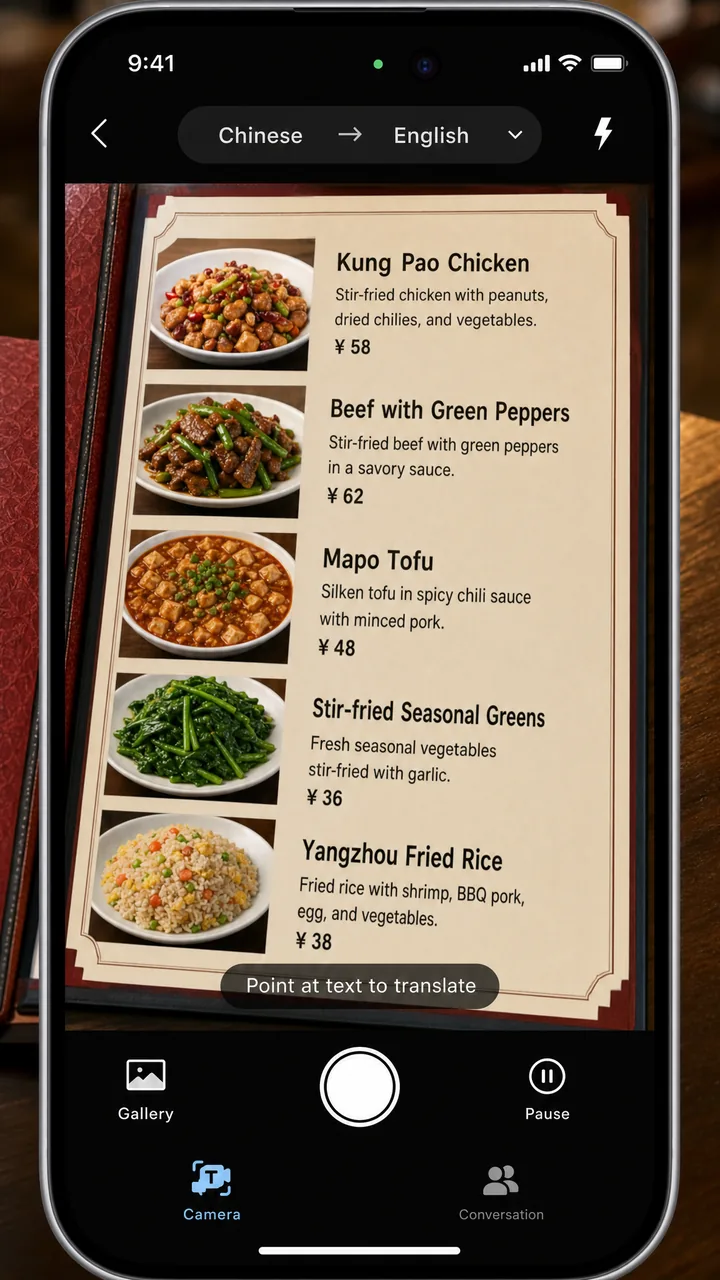
Phrases are great for quick, predictable situations. For anything complex — explaining a dietary allergy, describing a problem at your hotel, negotiating a refund — use a translation app. They've gotten very good.
The two features that matter most: camera translation (point at a menu or sign and see English overlaid) and conversation mode (you speak, it translates aloud, the other person replies). Download an offline language pack before you arrive, since some apps need it to work without a connection.
If You Want to Learn More Before You Go
You don't need lessons for a trip. But if you're staying a while, doing business, or you just enjoy languages, a few sessions with a tutor before you travel build real confidence — especially with pronunciation, which is hard to self-correct. Platforms like italki connect you with Mandarin tutors for one-on-one video lessons, and even three or four sessions focused on travel basics go a long way.
For free options, the official resources from China's language authorities are solid. The government-backed Chinese learning portal run under the Ministry of Education's Center for Language Education and Cooperation offers structured beginner material.
Printable Survival Phrase Card
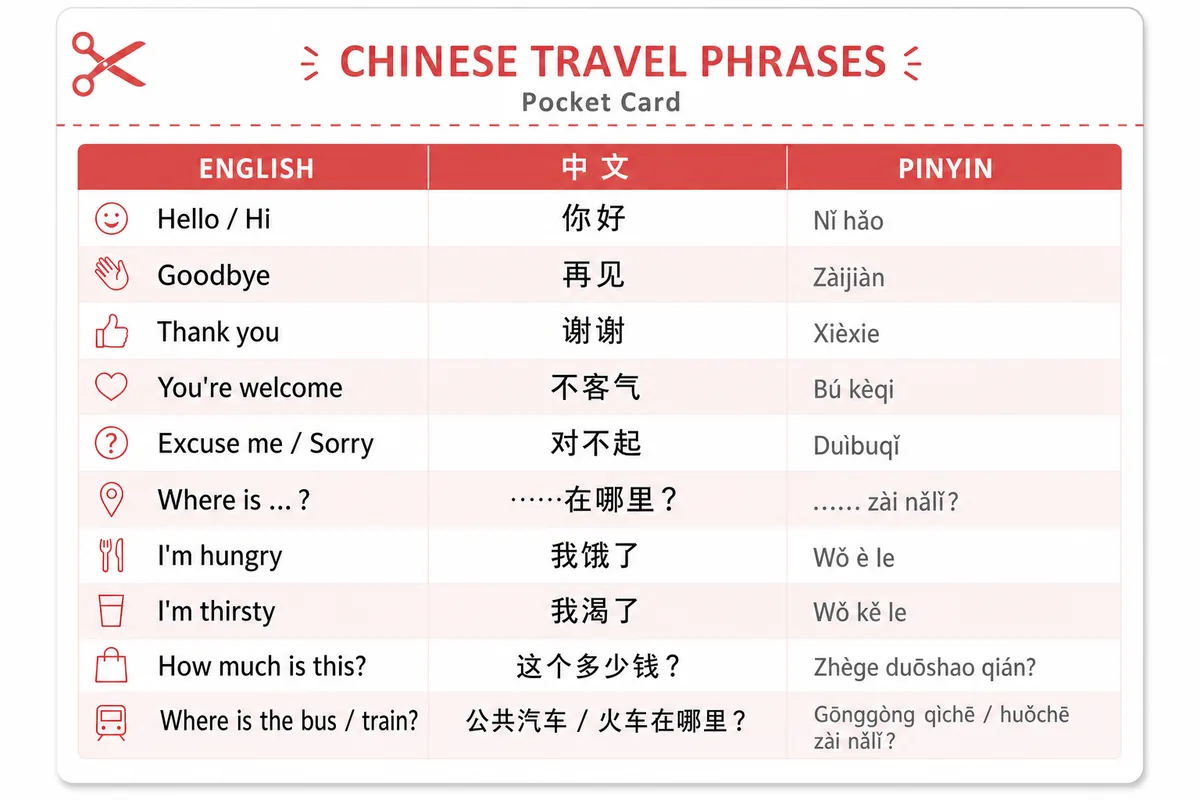
Here's a compact reference you can print, screenshot, or save offline. Show the Chinese characters directly to people if your pronunciation isn't landing — reading is often clearer than listening for them.
| English | Chinese | Pinyin |
|---|---|---|
| Hello | 你好 | Nǐ hǎo |
| Thank you | 谢谢 | Xièxie |
| Sorry / Excuse me | 不好意思 | Bù hǎoyìsi |
| I don't understand | 我听不懂 | Wǒ tīng bu dǒng |
| Do you speak English? | 你会说英语吗? | Nǐ huì shuō Yīngyǔ ma? |
| How much? | 多少钱? | Duōshǎo qián? |
| Too expensive | 太贵了 | Tài guì le |
| I want this | 我要这个 | Wǒ yào zhège |
| The bill, please | 买单 | Mǎidān |
| Not spicy | 不要辣 | Bú yào là |
| I'm vegetarian | 我吃素 | Wǒ chī sù |
| Where is the bathroom? | 洗手间在哪里? | Xǐshǒujiān zài nǎlǐ? |
| I want to go to... | 我要去... | Wǒ yào qù... |
| Stop here | 停这里 | Tíng zhèlǐ |
| Help! | 救命! | Jiùmìng! |
| I need a doctor | 我需要医生 | Wǒ xūyào yīshēng |
| Goodbye | 再见 | Zàijiàn |
Frequently Asked Questions
Do I really need to learn any Chinese to travel in China?
No, you can manage without it. Translation apps, written addresses, and pointing get most travelers through. But a handful of phrases makes interactions warmer and solves problems faster when tech fails. The 17 phrases on the card above are enough for a comfortable trip.
Will people understand me if I get the tones wrong?
Usually yes, especially with context. If you point at a dish and say its name, or say a phrase in an obvious situation, people fill in the meaning. Tones matter more in fast conversation between native speakers. As a visitor, don't let tone worry stop you from speaking.
Is Mandarin spoken everywhere in China?
Mandarin (普通话) is the national standard and is understood almost everywhere. Regional languages and dialects exist — Cantonese in Guangdong and Hong Kong, plus many local dialects — but nearly everyone you'll deal with as a tourist also speaks Mandarin. In Hong Kong and Macau, English is more widely used than on the mainland.
What's the best way to show someone an address?
Have it in Chinese characters, not Pinyin. Pinyin means nothing to most people for place names. Screenshot the Chinese name and address from a map app, or have your hotel write it down. Show the screen to taxi drivers and people you ask for directions.
Should I learn to read characters?
Not for a short trip — it takes too long to be useful. Focus on speaking the survival phrases and recognizing a few key characters: 男 (men's toilet), 女 (women's toilet), 入 (entrance), 出 (exit). Everything else, let your phone handle.
The Short Version
Learn nǐ hǎo (hello), xièxie (thank you), and duōshǎo qián (how much) before anything else — you'll use them daily. Keep the printable card on your phone, have your destinations written in Chinese characters, and install a translation app with an offline pack before you arrive. That combination handles the vast majority of situations. The phrases buy you goodwill and quick wins; the app handles the complicated stuff. Next, set up a translation app and review cultural etiquette so your words land the way you intend.
Last updated: June 2026
Read in other languages
Last train times for 10 Chinese metro systems
Every line and station, checked by hand — the same data behind our offline route planner.
Get the WaysChina App
Offline guides, currency converter, essential phrases, and more — all in your pocket.

Related Articles

Cultural Etiquette & Taboos
A practical guide to Chinese etiquette for travelers: greetings, table manners, gift giving, gestures to avoid, and...
Tipping Culture in China
Tipping is not part of everyday life in China — no one expects it at restaurants, taxis, or hotels. Here's where the...