
This article contains affiliate links. If you make a purchase through these links, we may earn a small commission at no extra cost to you. This helps support our work in creating free travel guides.
Chinese New Year (春节, Chūnjié), also called Spring Festival, is the biggest holiday in China by a wide margin. The official public holiday runs about a week, but the travel period stretches roughly 40 days as hundreds of millions of people head home to their families. This is the single most important thing to understand if you're visiting China during this time: it's both a wonderful cultural moment and the most crowded, logistically tricky period of the year.
This guide covers what to expect, how the weather and crowds affect your plans, where to go for the best festival atmosphere, and the practical pitfalls (closed restaurants, sold-out trains) that catch most first-time visitors off guard.
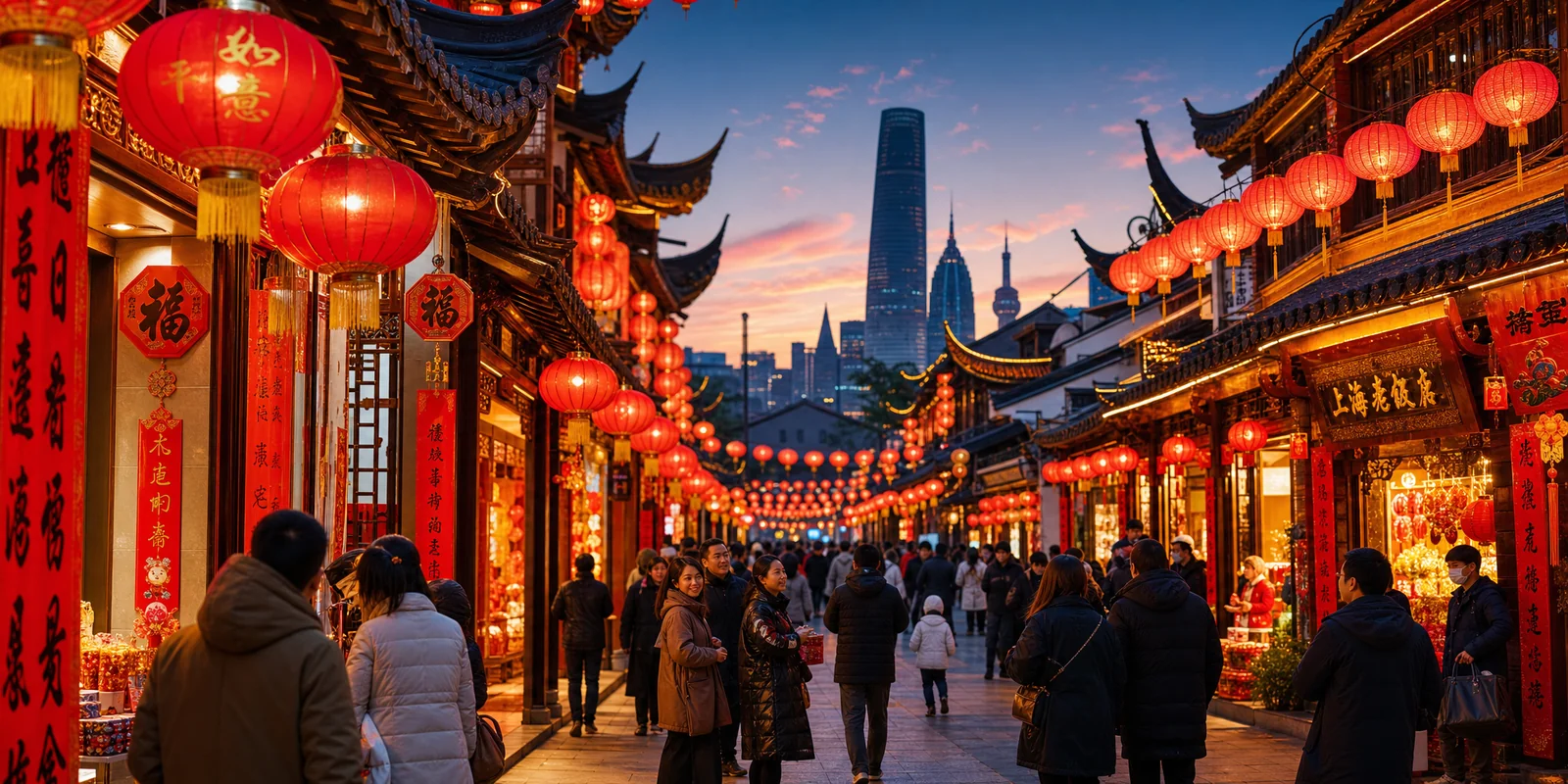
When Chinese New Year Falls and Why It Matters
Chinese New Year follows the lunar calendar, so the date shifts each year — usually somewhere between late January and mid-February. The first day of the new year is the headline event, but the celebration unfolds over about 15 days, ending with the Lantern Festival (元宵节, Yuánxiāojié).
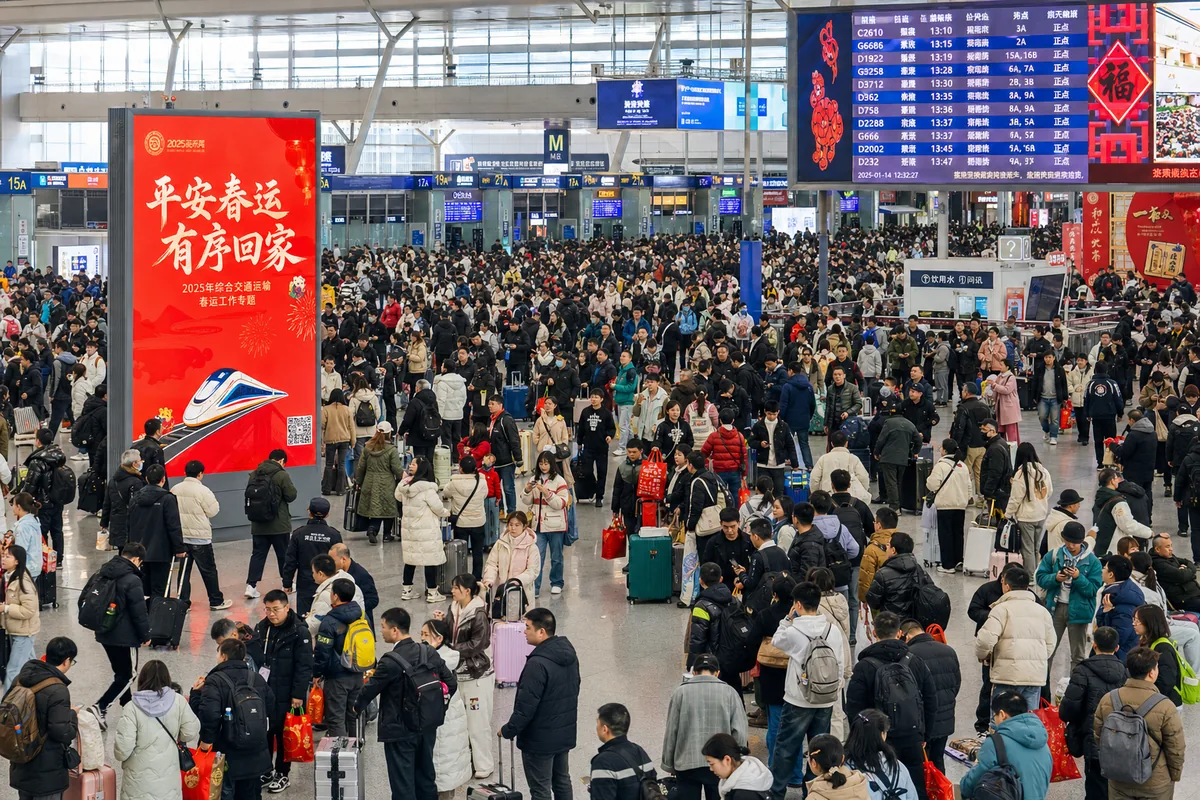
The official national holiday is around seven to eight days. During this window, government offices, many businesses, banks, and a large share of shops and restaurants close. The days immediately before and after the holiday are the most chaotic for transport, as this is when the famous Spring Festival travel rush (春运, chūnyùn) peaks.
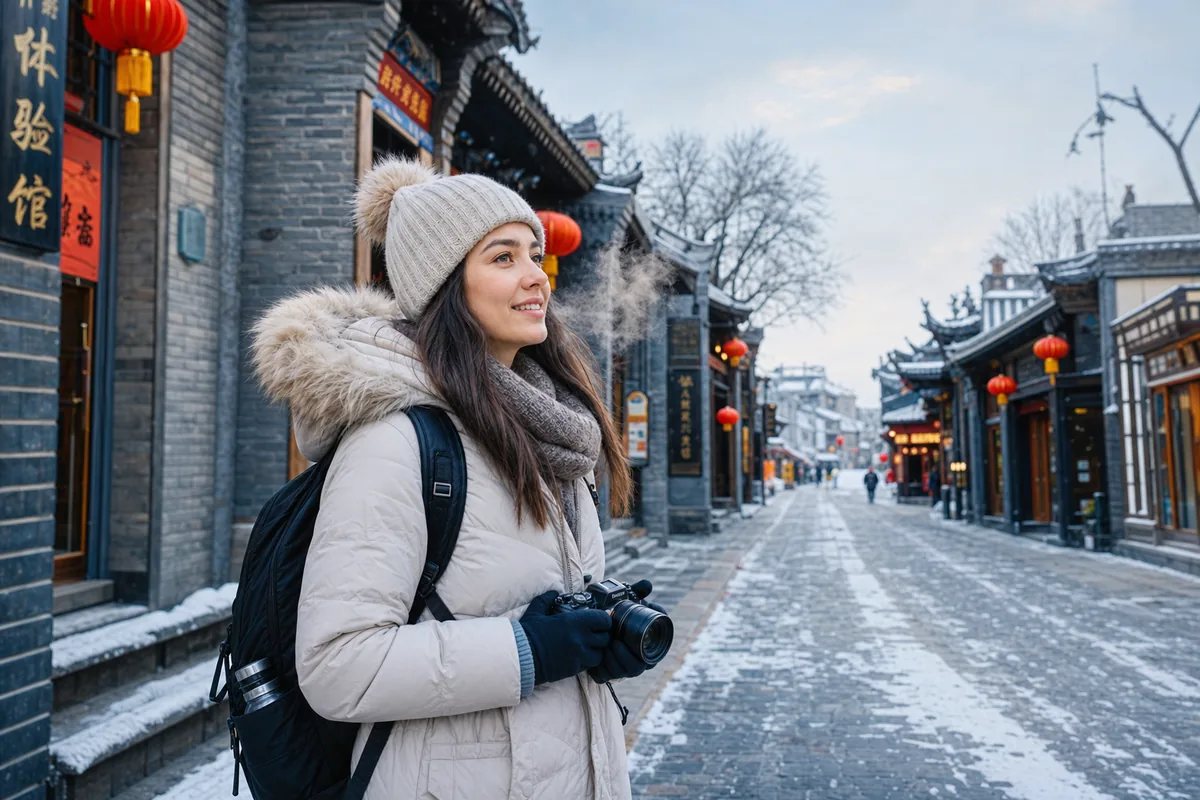
Weather: Cold in Most of the Country
Spring Festival lands in the middle of winter for most of China, despite the "spring" in its English name. What you pack depends heavily on the region.
| Region | Typical Conditions | What to Bring |
|---|---|---|
| Beijing & North China | Cold and dry, often -5°C to 5°C, occasional snow | Heavy coat, thermal layers, gloves, hat |
| Shanghai & East China | Damp cold, 0°C to 10°C, feels colder than it reads | Warm waterproof coat, layers, umbrella |
| Chengdu & Chongqing | Grey, humid, 5°C to 12°C, rarely sunny | Mid-weight coat, layers |
| Guangzhou & South China | Mild, 12°C to 20°C, occasionally warm | Light jacket, sweater |
| Harbin & Northeast | Deeply cold, -15°C to -25°C | Serious winter gear, insulated boots |
| Sanya (Hainan) | Warm and sunny, 22°C to 28°C | Summer clothes, swimwear |
One thing northern apartments and trains do well is heating, so indoors you'll often be too warm in heavy layers. Dress in layers you can peel off. For a fuller breakdown of regional climate, see our weather by region guide.
The Transport Crunch: Plan Around Chunyun
The Spring Festival travel rush is the largest annual human migration on the planet — billions of trips over the 40-day period. For a foreign tourist, this has very real consequences.
Trains sell out fast
High-speed and overnight train tickets for popular intercity routes can sell out within minutes of going on sale, which is typically 15 days before departure. If your itinerary depends on a specific train (say, Beijing to Xi'an on a particular date), buy it the moment tickets release.
You can book through the official 12306 platform, which now accepts foreign passport registration, or use a third-party service. Our how to book train tickets guide walks through the foreigner-friendly steps.
Flights are a safer bet (book early too)
Domestic flights have more flexible inventory than trains, and prices often dip during the new year's day itself, when fewer people travel (most are already home). But the days flanking the holiday see premium fares. If you have a fixed itinerary, lock flights in early. See our domestic flights guide for booking tips.
Cities empty out, then refill
Here's a counterintuitive upside: large migrant-worker cities like Beijing, Shanghai, Shenzhen, and Guangzhou actually get quieter during the core holiday, because so many residents leave for their hometowns. Traffic eases, metros are less packed, and some major attractions are pleasantly uncrowded. The flip side is that tourist hotspots and traditional towns get busier as domestic travelers visit them.
What's Closed (and What Stays Open)
This is the practical issue that surprises most visitors. During the first few days of the new year especially, a significant share of small businesses shut down — neighborhood restaurants, family-run shops, markets, some local attractions, and many service businesses. Staff go home, and owners take their only extended break of the year.
Generally closed or reduced hours:
- Small independent restaurants and street-food stalls (many for 3–7 days)
- Local shops, markets, and neighborhood services
- Banks and government offices (full holiday closure)
- Some smaller museums and cultural sites
Generally open:
- Large shopping malls and chain stores (often with festive hours)
- Hotel restaurants and international chains
- Major tourist attractions (often busier, sometimes with special programming)
- Convenience stores, metros, taxis, and ride-hailing
- Temples and temple fairs (these are peak-season destinations)
Payment apps work normally throughout, so you won't be stuck. If you haven't set them up yet, do it before you arrive — see our guide on how to use Alipay with foreign cards.
Where to Experience the Festival
If you came to China to feel the holiday, head where the celebration is concentrated: temple fairs, lantern displays, and traditional towns.
Beijing — Temple Fairs (庙会, miàohuì)
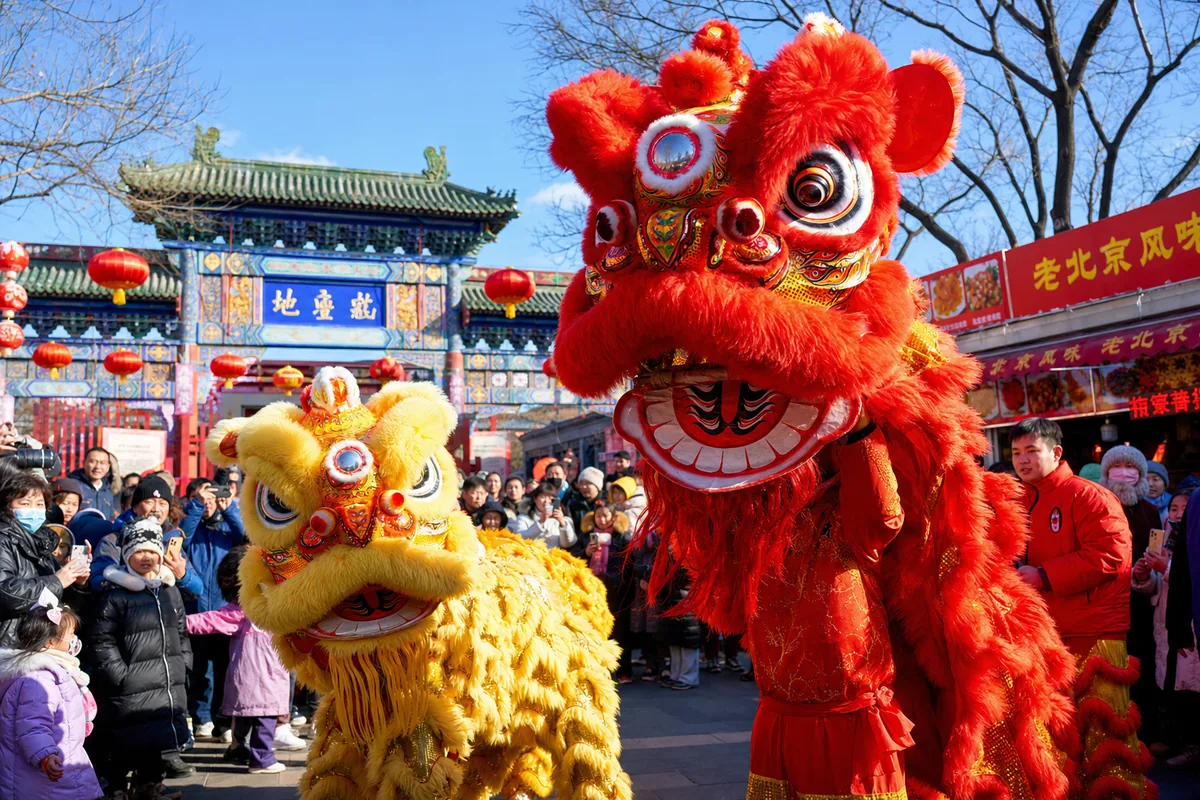
Beijing's temple fairs are the classic Spring Festival experience: food stalls, folk performances, handicrafts, lion dances, and dense, festive crowds. Ditan Park and Longtan Park host two of the largest. Expect heavy crowds and arrive early. Our Beijing complete guide covers logistics for getting around the city during the holiday.
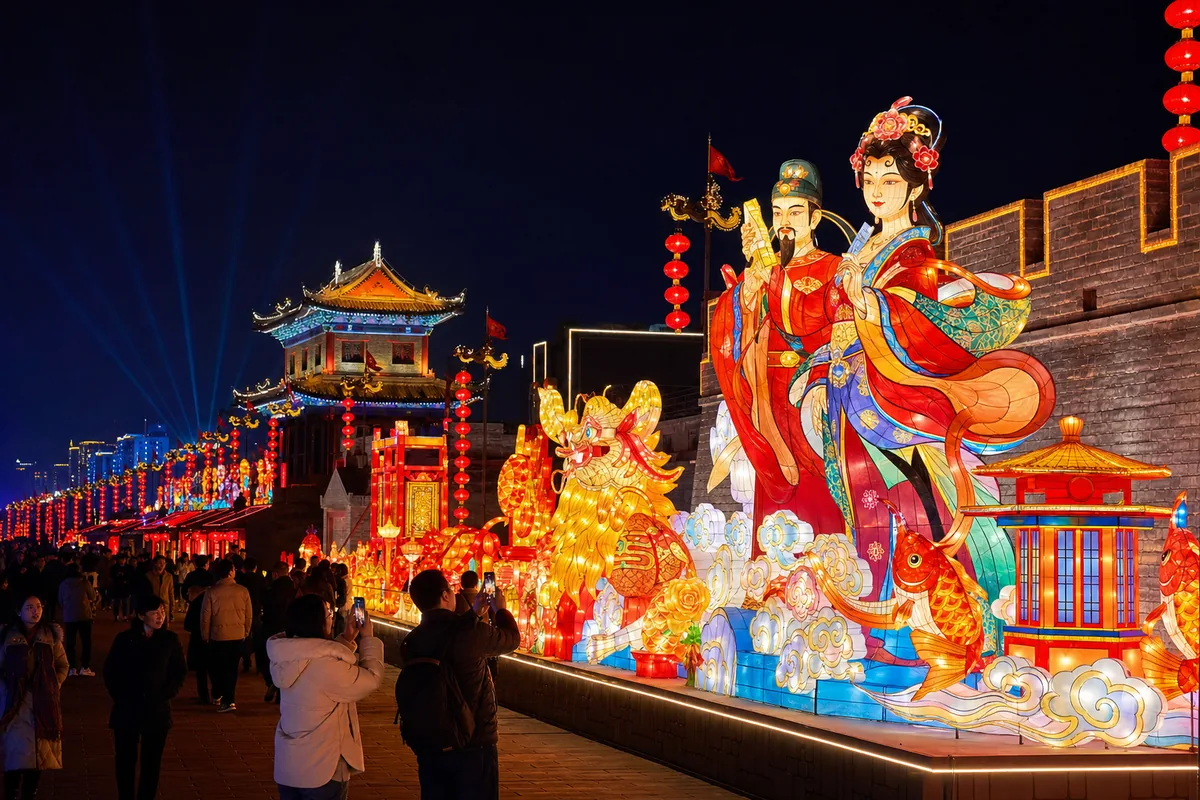
Xi'an — City Wall Lantern Festival
Xi'an goes all out with lanterns. The ancient City Wall is lit up with elaborate lantern installations, and the atmosphere in the old city is one of the best in the country for the holiday. Combine it with the Terracotta Warriors for a strong few days. See the Xi'an complete guide.
Pingyao — Old-Town Atmosphere
This walled Ming-and-Qing-era town in Shanxi leans into traditional celebrations with red lanterns lining the streets, folk performances, and a less commercialized feel than big cities. Crowded, but atmospheric.
Harbin — Ice and Snow
If you'd rather embrace the cold, Harbin's Ice and Snow World overlaps with the holiday season. Enormous illuminated ice sculptures, sub-zero temperatures, and a completely different kind of winter spectacle. Our Harbin winter guide has the details.
Hong Kong — Parade and Fireworks
Hong Kong runs a large new-year parade and a major fireworks display over Victoria Harbour. It's more polished and international in feel, and easier to navigate for first-timers.
Cultural Things to Know
A little context makes the holiday far more rewarding to witness.
- Red is everywhere. Red decorations, lanterns, and paper couplets symbolize luck and ward off bad fortune. Don't be surprised to see entire streets draped in red.
- Red envelopes (红包, hóngbāo). Cash gifts given in red envelopes, traditionally to children and unmarried younger relatives. As a tourist you won't be expected to give or receive them, but you'll see and hear about them constantly.
- Fireworks and firecrackers. Banned or restricted in many city centers for safety and pollution reasons, but still common in smaller towns and rural areas. Expect noise, especially around midnight on new year's eve.
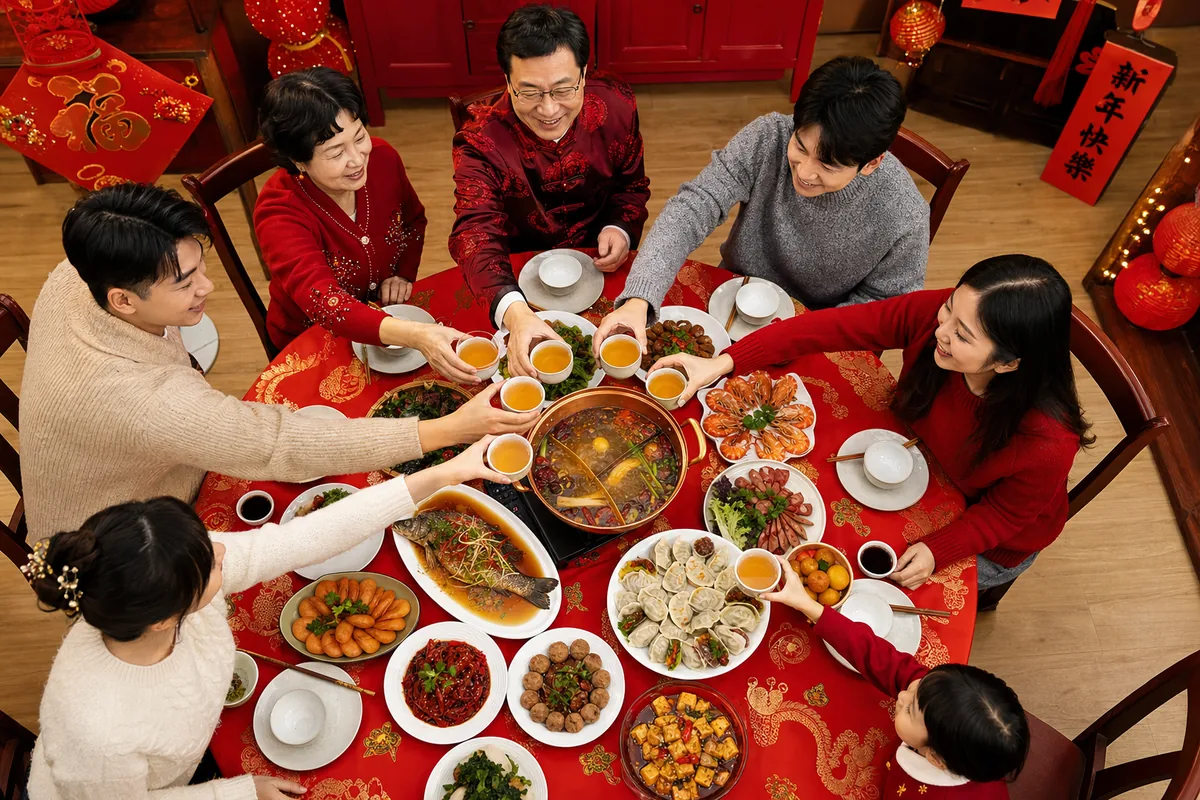
- Family reunion dinner. New year's eve centers on a big family dinner at home. This is exactly why restaurants and shops close — people are with family, not working.
If you want to go deeper on customs and what's polite, our cultural etiquette and taboos guide is worth a read before you go.
Practical Tips for Traveling During Spring Festival
- Book accommodation early. In festival hotspots like Xi'an, Pingyao, Harbin, and Sanya, good hotels sell out and rates spike. Lock in your stays well ahead — platforms like book well ahead via Booking.com let you filter for free cancellation, which gives you flexibility if plans shift.
- Set up mobile payments before you arrive. Cash is awkward when banks are closed; QR payments work everywhere.
- Carry snacks and have backup food plans for the first couple of days of the holiday.
- Don't over-pack your itinerary with intercity travel during the peak rush days. Fewer, longer stops beat hopping cities on sold-out trains.
- Embrace the big cities if you want calm. Beijing and Shanghai during the core holiday can be unexpectedly relaxed.
- Dress for real winter almost everywhere except the far south.
For planning metro routes and day-by-day itineraries across major cities while you're navigating the holiday crowds, the WaysChina app has offline metro maps and a built-in trip planner — handy when signal is patchy in a packed station.
Should You Visit During Chinese New Year?
Honestly, it depends on what you want. If experiencing the festival — the temple fairs, lanterns, red lanterns everywhere, the energy — is a priority, it's a genuinely special time to be in China, and big cities can be surprisingly easy to move around in. If your trip is built around tight intercity logistics and visiting lots of small local restaurants and markets, the closures and the transport crunch will work against you.
The middle path many travelers take: base yourself in one or two major cities during the core holiday, book everything early, and accept that some small spots will be closed. Done that way, it's one of the most memorable times to see the country.
Key Takeaways
- The official holiday is about a week, but the travel rush spans roughly 40 days — book trains and flights as early as possible.
- Most of China is cold in winter; pack proper layers except for the far south.
- Many small restaurants and shops close for the first few days; malls, chains, hotels, and attractions stay open.
- Big cities empty out and get calmer; tourist towns and festival sites get busier.
- For atmosphere, head to temple fairs, lantern festivals, or Harbin's ice world.
Start by fixing your travel dates, then immediately reserve any trains and hotels in festival destinations. After that, set up your payment apps and pack for the cold. If you're weighing other times of year, compare with our best time to visit China overview.
Last updated: June 2026
Read in other languages
Last train times for 10 Chinese metro systems
Every line and station, checked by hand — the same data behind our offline route planner.
Get the WaysChina App
Offline guides, currency converter, essential phrases, and more — all in your pocket.

Related Articles
Autumn Travel in China
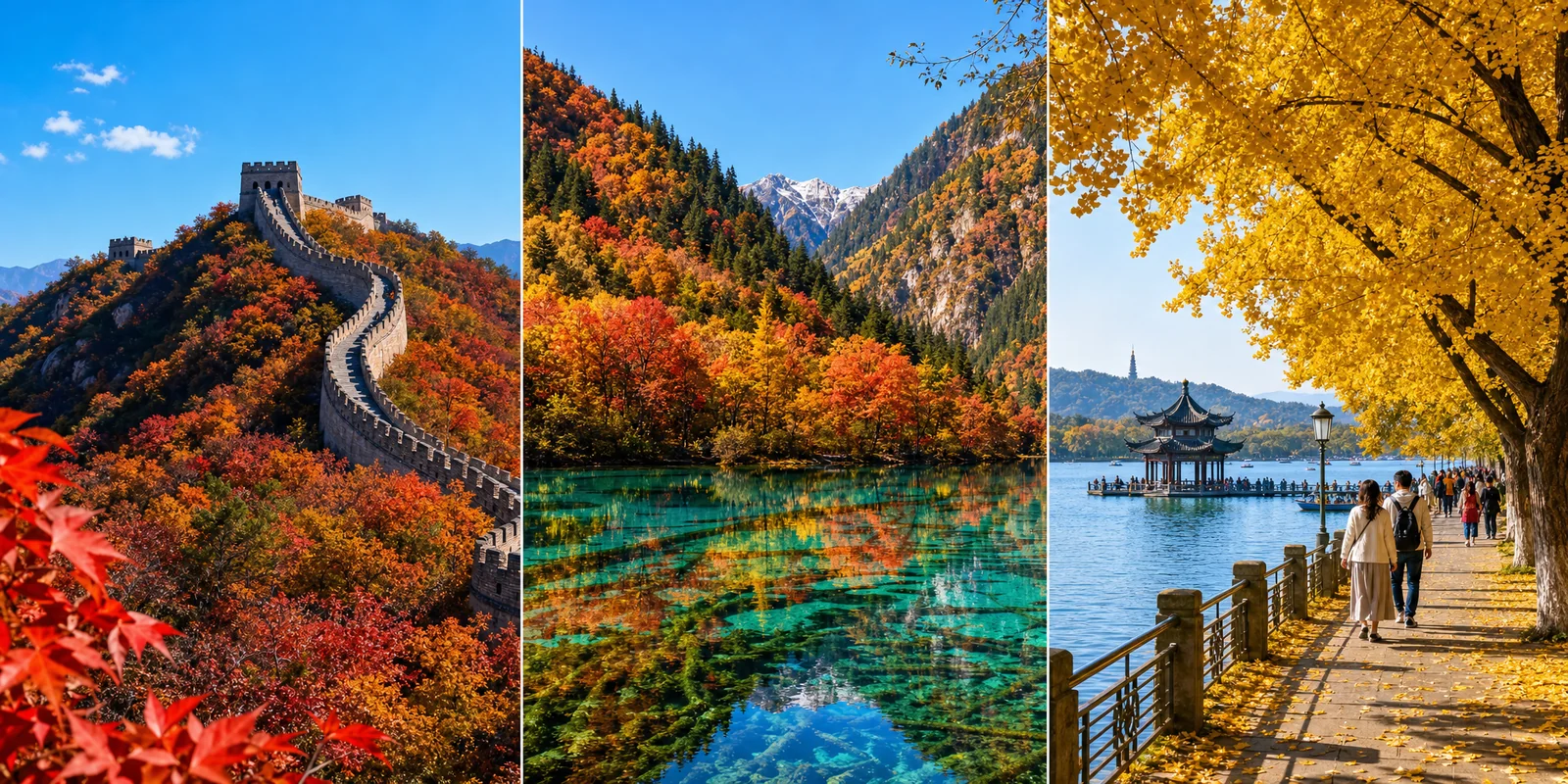
Autumn is arguably the best season to visit China: comfortable weather, clear skies, golden foliage, and the...
Best Time to Visit China
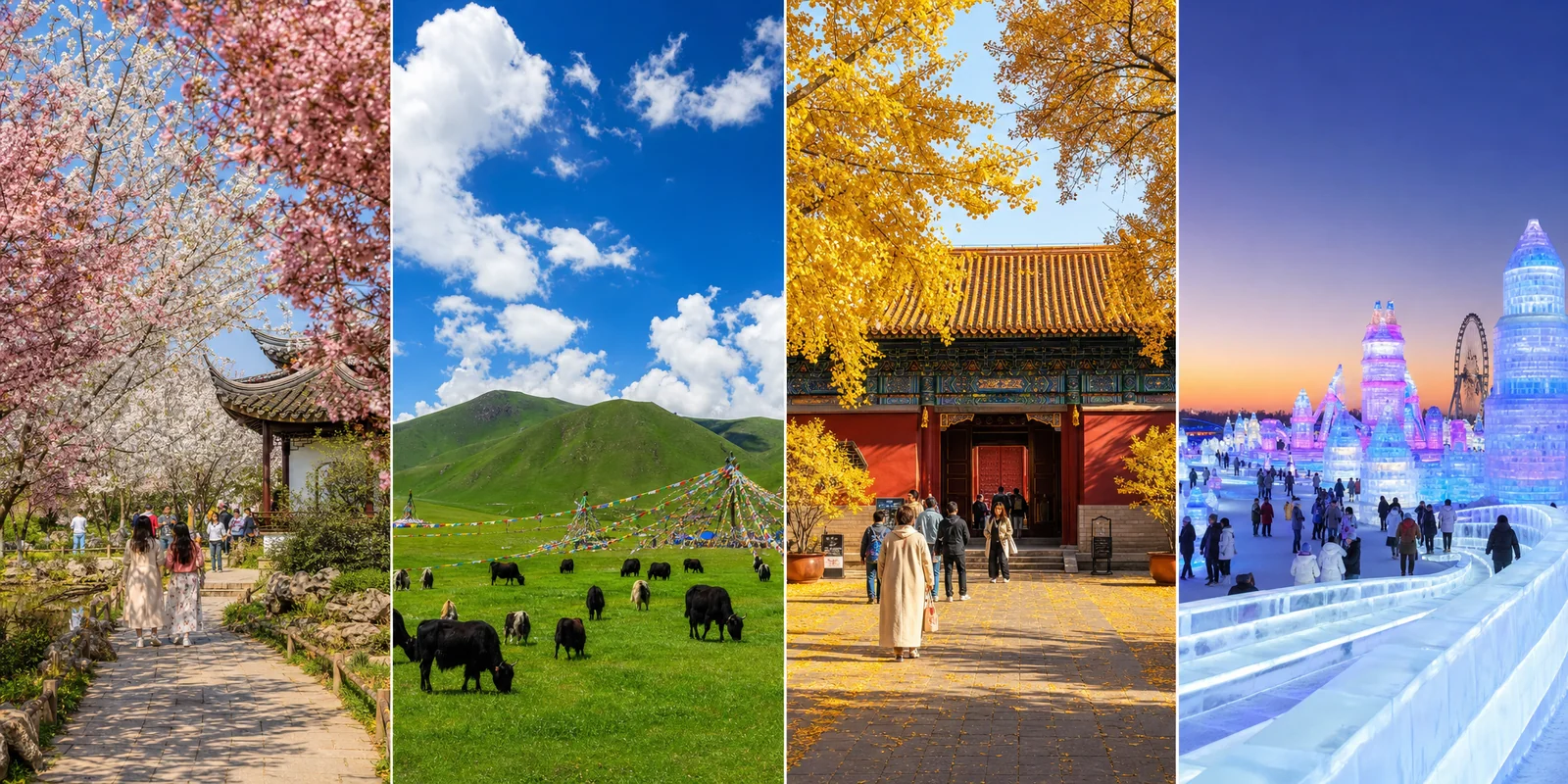
China spans subtropical beaches to subarctic forests, so the best time to visit depends entirely on where you're...
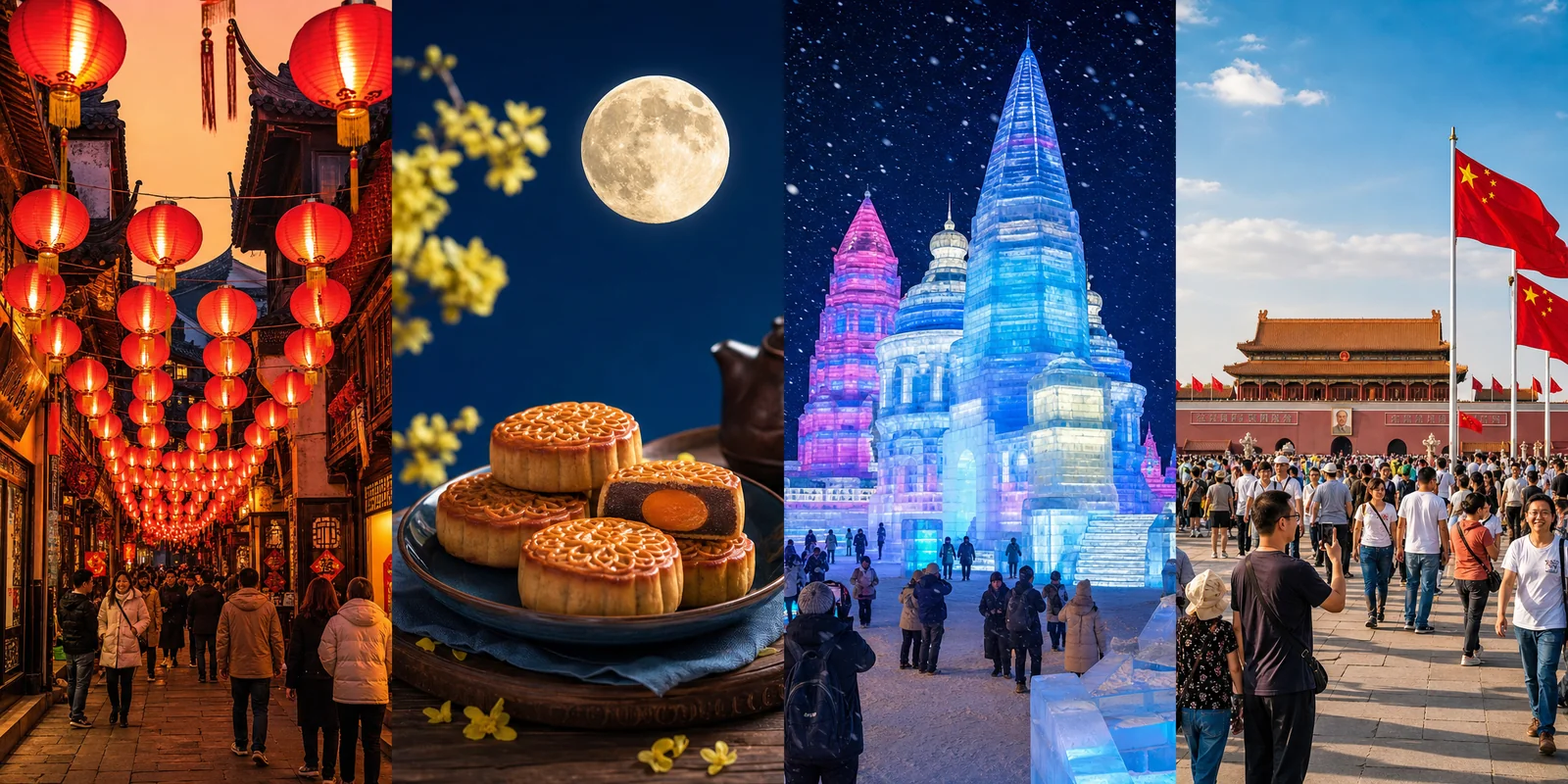
Festival Calendar: China's Holidays & Festivals Explained
China's festival calendar mixes lunar holidays with fixed public holidays. Here's when each one falls, what closes,...
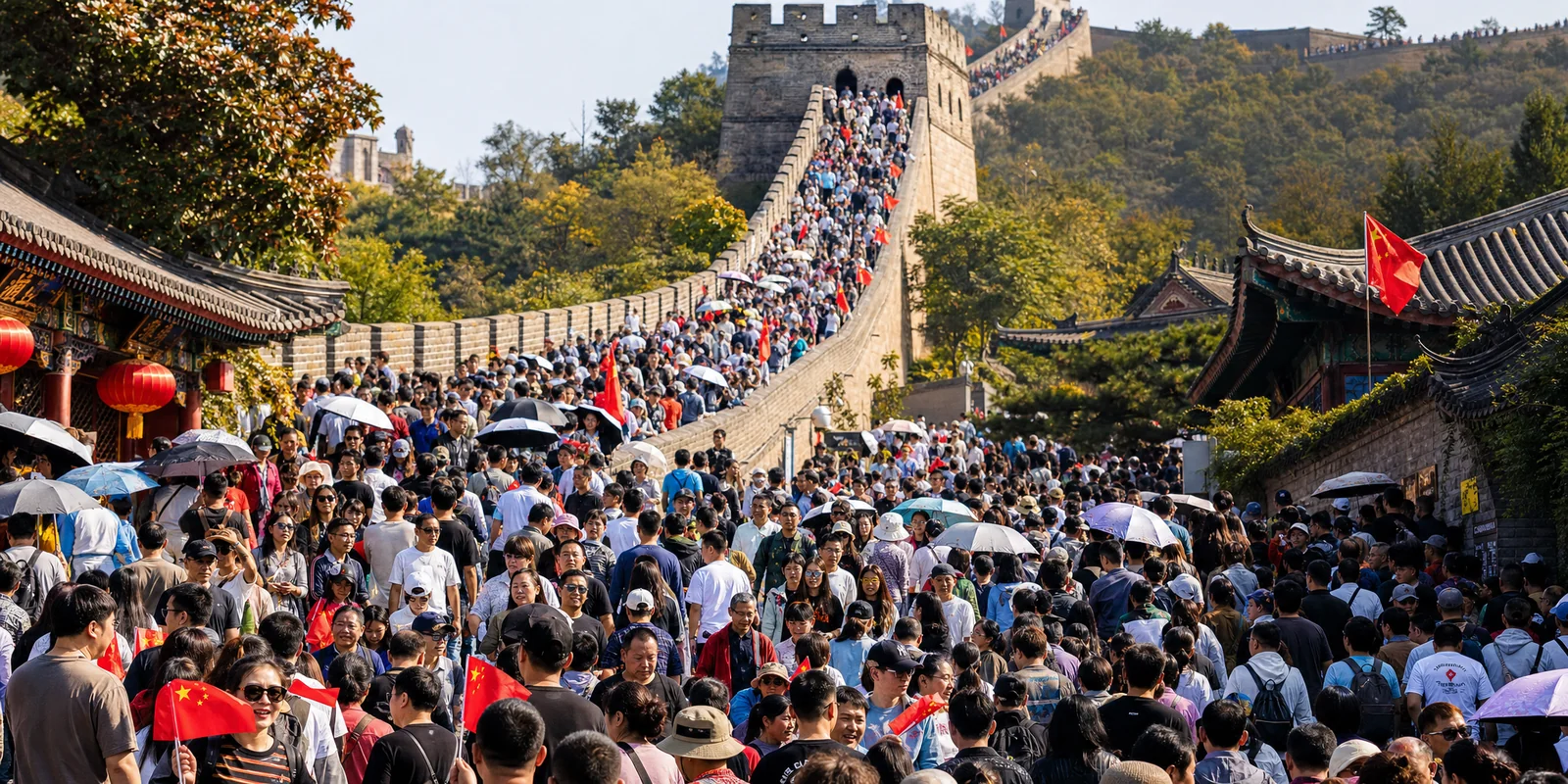
Golden Week Survival Guide
China's National Day holiday triggers the largest domestic travel rush of the year. Here's how to decide whether to...