
This article contains affiliate links. If you make a purchase through these links, we may earn a small commission at no extra cost to you. This helps support our work in creating free travel guides.
Chongqing (重庆, Chóngqìng) confuses first-time visitors in the best way. The city is built across steep hills where the Jialing and Yangtze rivers meet, so streets stack on top of each other, a building's ground floor might be someone else's tenth floor, and the metro runs straight through an apartment block. It's also the home of the spiciest, oiliest, most addictive hotpot in China and the main gateway to Yangtze River cruises through the Three Gorges. Most travelers spend 2-3 days here, often as a pair with nearby Chengdu. This guide covers how to get around the vertical chaos, what to eat, where to stay, and which sights actually earn your time.
Why Visit Chongqing
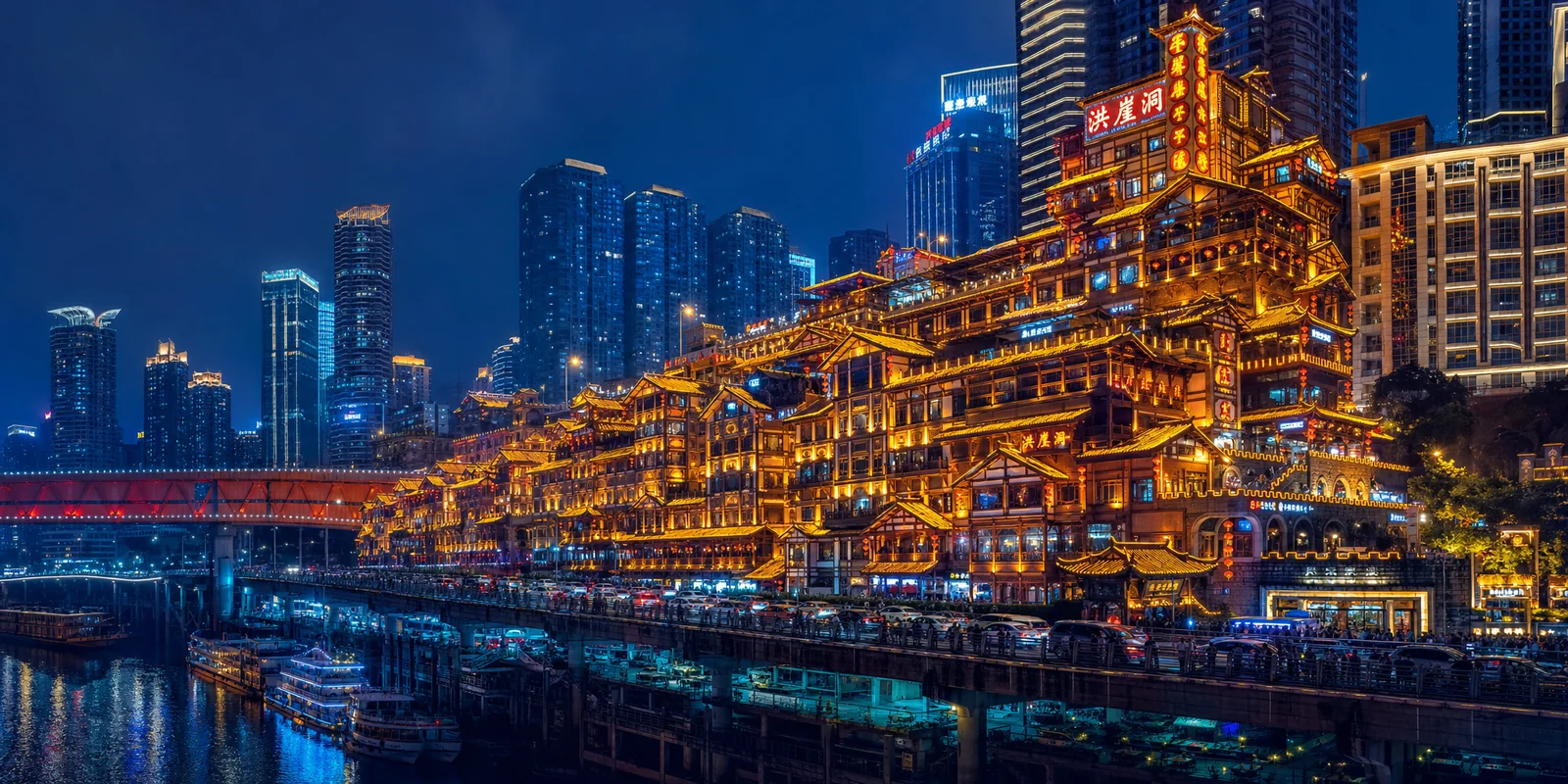
Chongqing is a municipality of over 30 million people, though the part you'll explore is the central peninsula (Yuzhong) and a few districts across the rivers. Three things make it worth a stop. First, the geography is genuinely unusual. Locals call it the "mountain city" (山城, shānchéng), and the terrain produces things you won't see elsewhere: a monorail line that passes through a residential tower, escalators and outdoor elevators used as public transit, and entire neighborhoods stacked on cliff faces.
Second, the night view. When the hills light up and reflect off both rivers, Chongqing looks like a sci-fi film set, which is why people online keep calling it China's real-life cyberpunk city. Third, the food. Chongqing hotpot is its own category, separate from Sichuan-style, and eating it here is a reason to come on its own.
The best months are spring (March to May) and autumn (September to November). Summer is brutal: Chongqing is one of China's "furnace cities," with humid heat regularly above 38°C (100°F). Winters are mild but grey and often foggy. For a wider seasonal comparison, see our guide to the best time to visit China.
Getting There and Getting Around
Arriving in Chongqing
Chongqing Jiangbei International Airport (CKG) connects to most major Chinese cities and a growing number of international routes. From the airport, Metro Line 10 reaches the city center in about 30-40 minutes. High-speed rail is the other main option: trains pull into Chongqing North or Chongqing West stations, both linked to the metro. Booking trains is easiest through an English-language platform like third-party platforms, which handles foreign passport details and payment without a Chinese bank card.
The metro, and why it's the smart choice
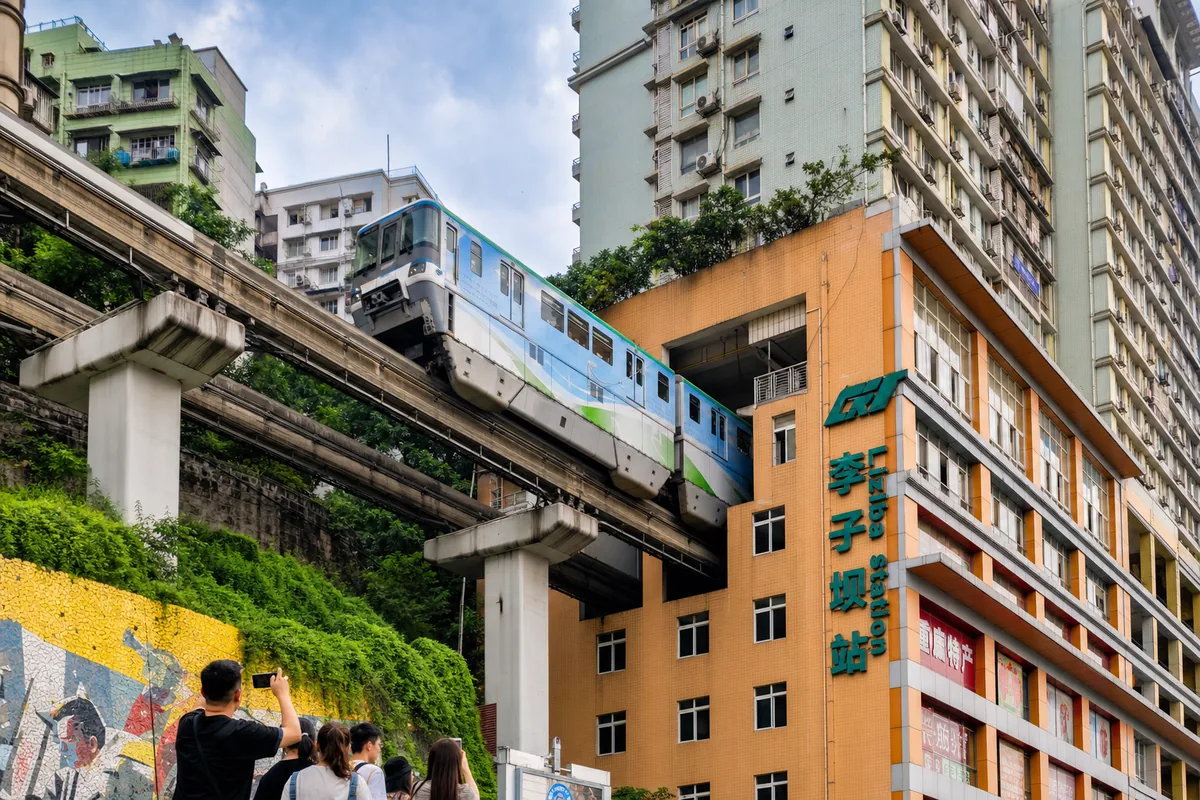
Driving and even taxis struggle here because of the terrain and constant elevation changes. The metro (轨道交通, guǐdào jiāotōng) is the fastest, cheapest, and most reliable way to move, and riding it is half the fun. Line 2 hugs the cliffs with river views, and the famous Liziba (李子坝) station is where the monorail genuinely passes through a residential building, you can ride through it or watch from the viewing platform below.
Use Alipay or WeChat Pay to scan in at the gates, or buy single-journey tokens at machines. One thing to know: because stations are built into hillsides, the "ground floor" entrance might leave you many stories above or below where you expect. Always check the exit number.
For ride-hailing when you're carrying luggage or out late, Didi works well and is cheaper than flagging a taxi. See our Didi guide for setup with a foreign phone number. For general metro etiquette and ticketing across Chinese cities, our Metro Systems Guide covers the basics.
Core Attractions
Hongya Cave (洪崖洞, Hóngyádòng)
This is the image of Chongqing you've probably already seen. Hongya Cave is an 11-story complex built into a cliff in traditional stilt-house (吊脚楼, diàojiǎolóu) style, packed with shops, snack stalls, and restaurants. By day it's a busy, slightly touristy mall. After dark it transforms: thousands of golden lights outline the wooden structure, and the whole thing glows above the river. Many visitors say it inspired the bathhouse in the film Spirited Away, though the studio has never confirmed it.
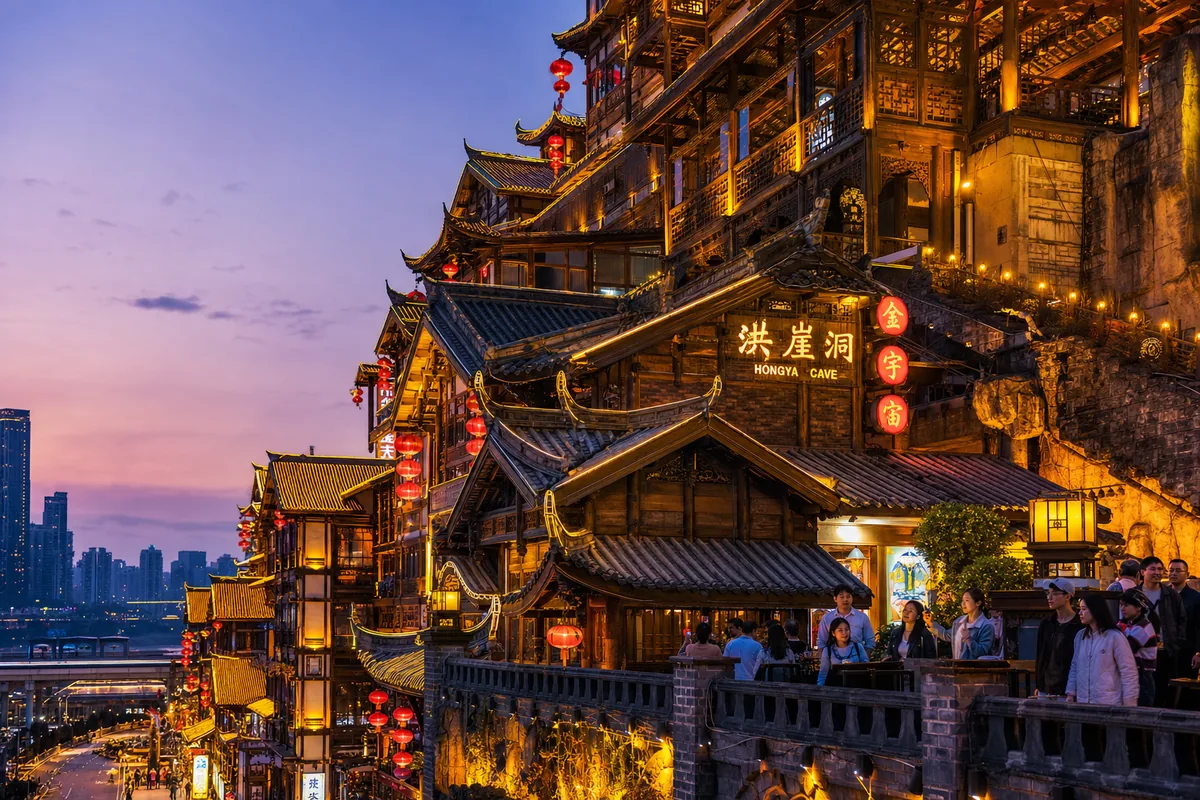
Go around dusk to catch both daylight and the lights coming on. The best photo is actually from across the river or from Qiansimen Bridge, not from inside. Be warned: this is one of the most crowded spots in the city, especially on weekends and holidays. Entry is free.
Ciqikou Ancient Town (磁器口, Cíqìkǒu)
Ciqikou is a restored old port town on the Jialing River, with narrow flagstone lanes, teahouses, and Ming and Qing dynasty architecture. The name means "porcelain port," a nod to its history as a ceramics trading hub. It's commercial now, heavy on souvenir shops and snack vendors, but the atmosphere is real enough and the street food is good. Look for mahua (麻花, máhuā), the twisted fried dough the town is known for, and try a cup of tea in one of the old teahouses where locals still play cards and listen to Sichuan opera.
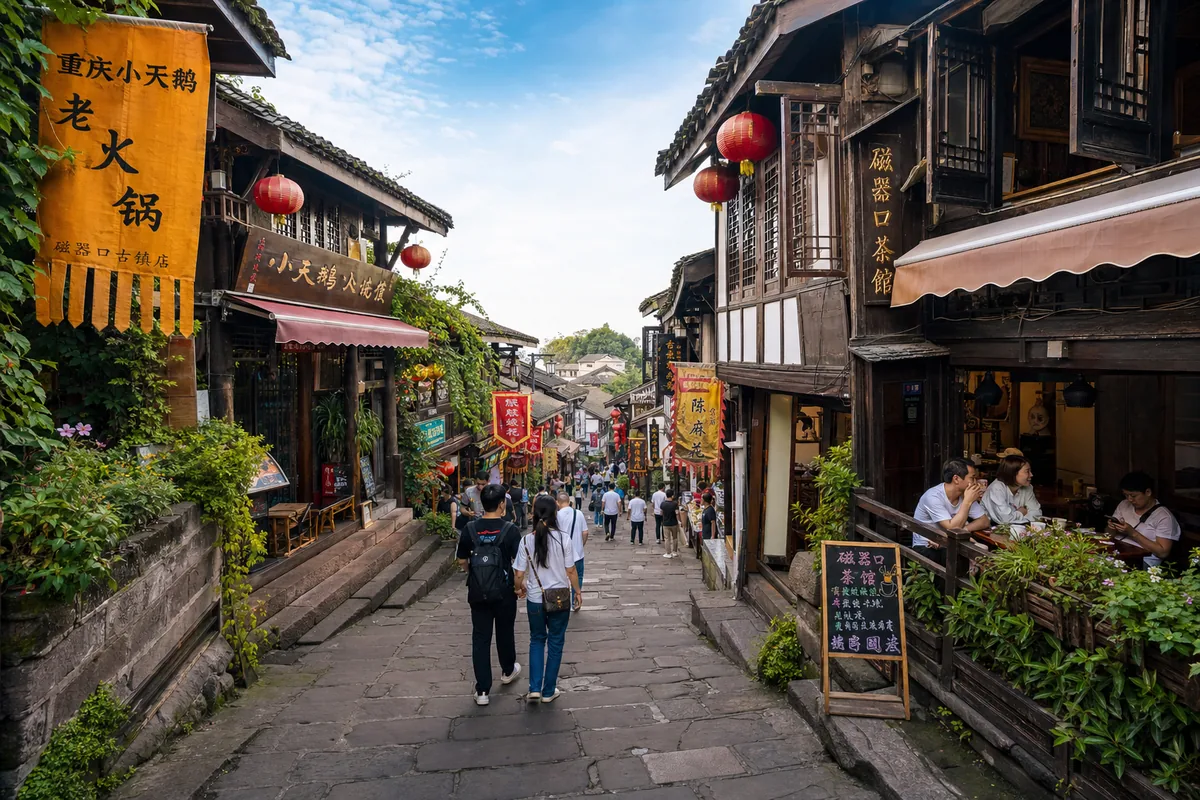
Give it two to three hours. Mornings on weekdays are noticeably quieter. It's reachable on Metro Line 1.
Yangtze River Cruise (长江三峡, Cháng Jiāng Sānxiá)
Chongqing is the upstream starting point for cruises through the Three Gorges, one of China's classic river journeys. Boats head downstream toward Yichang, passing the dramatic Qutang, Wu, and Xiling gorges, with stops at sights like the Shibaozhai pagoda and the Lesser Three Gorges. Trips range from a single night to four or five days depending on how far you go.
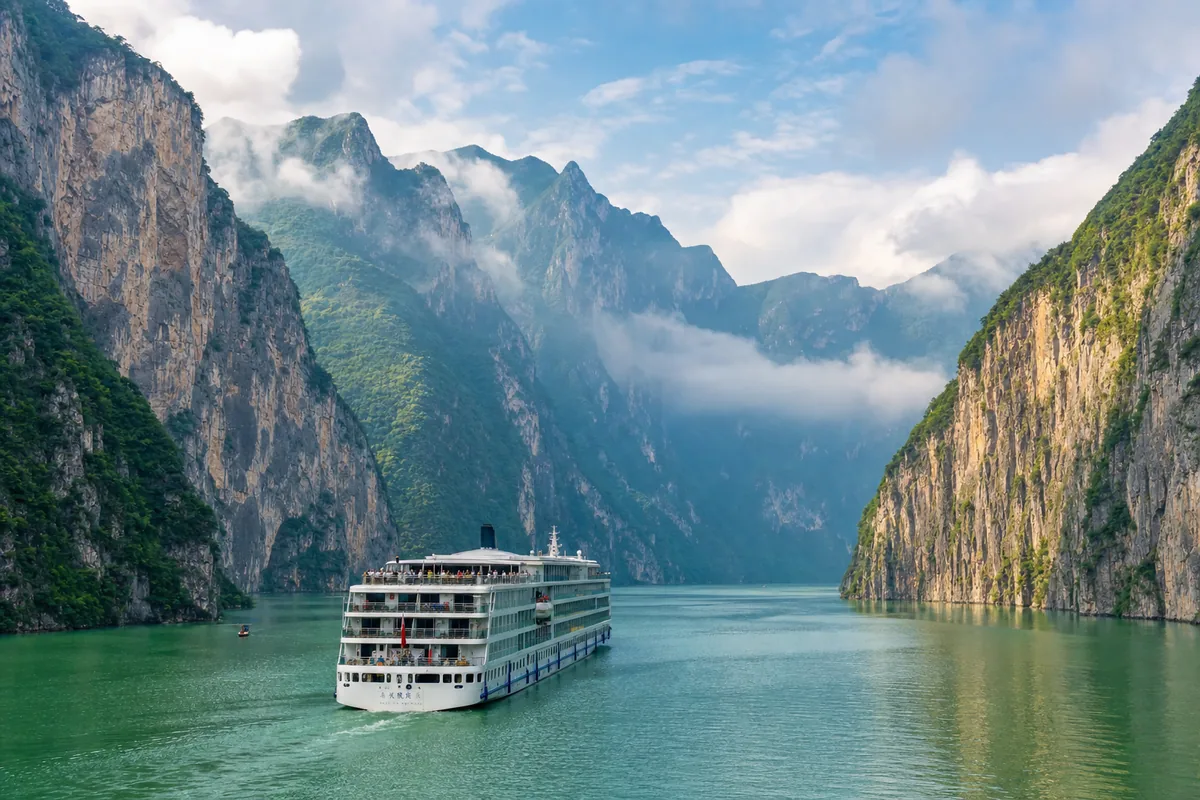
This is a real commitment of time, so it suits travelers with a longer itinerary rather than a quick city stop. If you only have two days in Chongqing, a short evening river cruise on the Yangtze and Jialing through the city is the realistic alternative, it gets you the night skyline from the water in about an hour. You can compare and book both the multi-day Three Gorges cruises and the short night cruises through organized day tours handle all the logistics.
Dazu Rock Carvings (大足石刻, Dàzú Shíkè)
About two hours west of the city, the Dazu Rock Carvings are a UNESCO World Heritage Site and, honestly, one of the most underrated sights in this part of China. These are tens of thousands of Buddhist, Taoist, and Confucian stone sculptures carved into hillsides between the 9th and 13th centuries. The Baoding Mountain cluster is the highlight, with a 31-meter reclining Buddha and intricate scenes that still hold their color and detail after nearly a thousand years. You can read more on the UNESCO World Heritage listing.
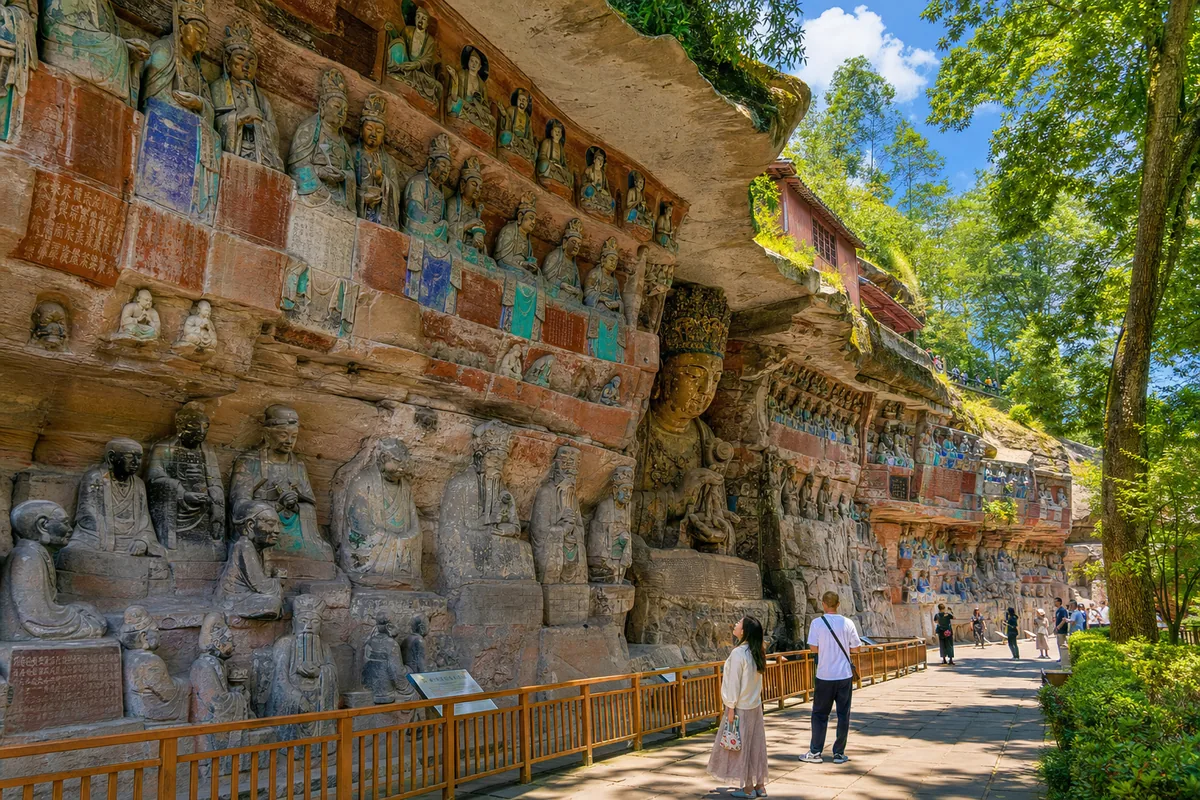
It's a half to full-day trip. Direct buses run from Chongqing's Caiyuanba bus station, or you can take high-speed rail to Dazu South station and a local bus from there. A guided day tour saves the logistics if you'd rather not piece it together yourself.
Chongqing Hotpot
Chongqing hotpot (重庆火锅, Chóngqìng huǒguō) is the city's defining dish, and it's different from the milder Sichuan versions. The classic is a roiling pot of beef tallow, dried chilies, and Sichuan peppercorns (花椒, huājiāo) that produces a numbing-spicy sensation locals call málà (麻辣). You order raw ingredients, beef tripe, duck blood, lotus root, potato, mushrooms, thin-sliced meat, and cook them yourself in the bubbling broth.
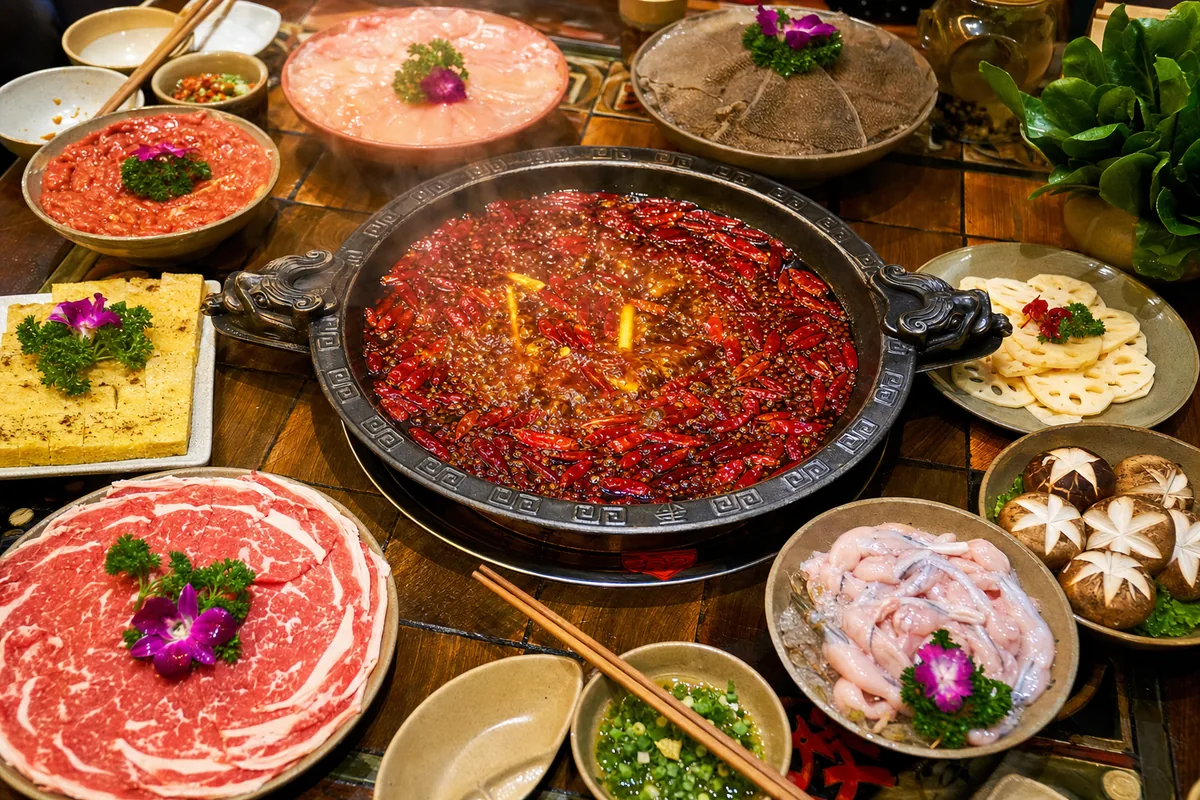
A few practical notes for first-timers. Order a split pot (鸳鸯锅, yuānyāng guō) with one spicy side and one mild bone or mushroom broth if you're unsure about the heat, it's completely normal. The dipping sauce here is simple: sesame oil with garlic and a little salt, which cools the burn and coats the food. Don't drink the broth. And expect to smell like hotpot afterward; it's part of the deal.
Famous local chains worth trying include those around the central districts, but some of the best meals come from no-frills neighborhood spots full of locals. If you want context and a guide to navigate ingredients and ordering, a small-group hotpot or street-food tour is an easy way in, several are available through Viator.
Beyond hotpot, try Chongqing xiaomian (小面, xiǎomiàn), the spicy morning noodles locals eat for breakfast, and laziji (辣子鸡), chicken buried in a mountain of dried chilies.
The Night View and Cyberpunk Scenes
Chongqing's night view is its signature experience, and there are a few best vantage points. Yikeshu Observation Deck (一棵树观景台) on Nanshan mountain gives the wide postcard panorama of the peninsula and both rivers. Across the water, the Raffles City rooftop "Crystal" skybridge offers a high, modern angle. For the cyberpunk-at-street-level feeling, wander the multi-level walkways and overpasses around Jiefangbei and Hongya Cave after dark, where neon signage, stacked roads, and the river all converge.
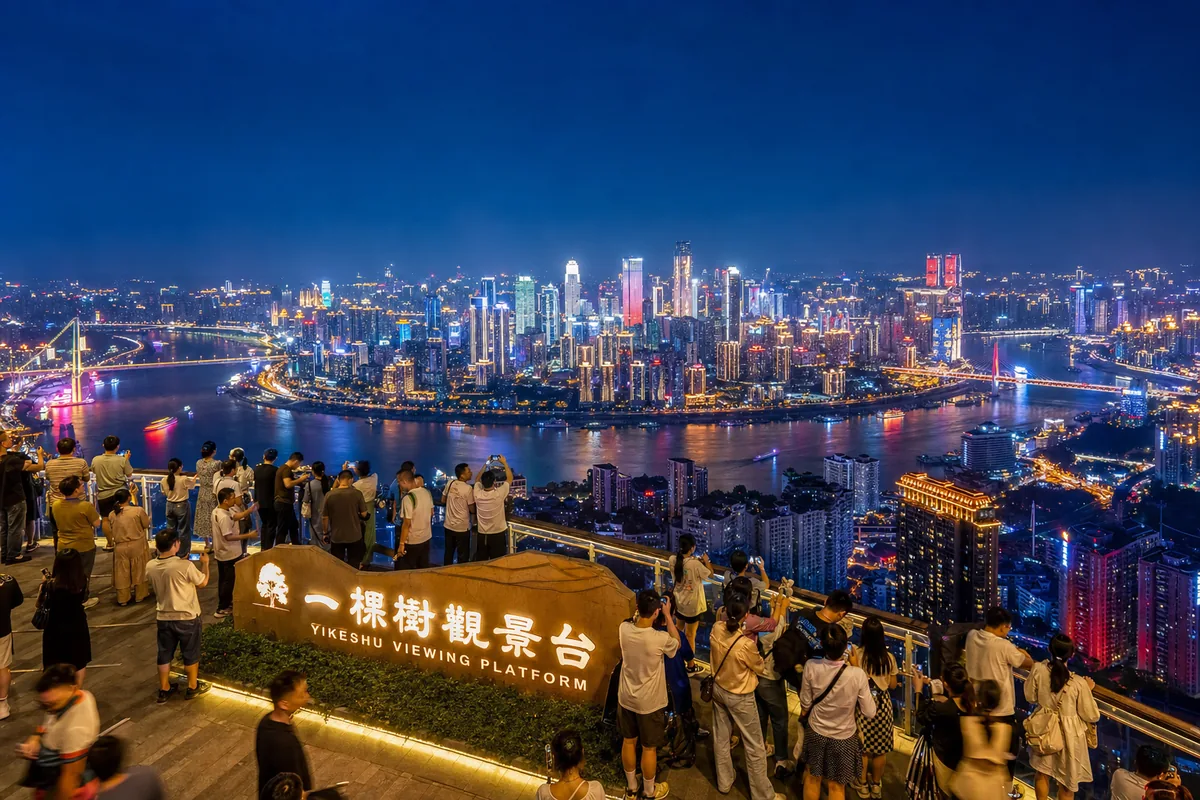
The single best way to see it all is from the river. The short evening cruises mentioned earlier loop past Hongya Cave, the bridges, and the lit-up skyline, and cost far less than a multi-day trip. Nightlife beyond the views centers on Jiefangbei and the Nine Streets (九街) area, with bars, late-night noodle joints, and live music.
Where to Stay
For a first visit, base yourself near Jiefangbei (解放碑) on the Yuzhong peninsula. It's central, walkable to Hongya Cave, well connected by metro, and close to food and nightlife. The Nanbin Road (南滨路) area across the river is a good alternative if you want river-facing hotels with skyline views, though it's a bit removed from the action.
Chongqing covers the full range, from hostels in old buildings to international five-stars in the Raffles City complex. Because of the terrain, read hotel locations carefully: a place that looks close on the map might be many vertical meters up or down a hill. You can compare options and filter by metro access on major platforms. For how Chinese hotels handle foreign guests and the mandatory police registration, see our guide on booking hotels and registration rules.
Suggested 2-3 Day Itinerary
Here's a realistic plan that doesn't try to cram everything in.
| Day | Morning | Afternoon | Evening |
|---|---|---|---|
| Day 1 | Jiefangbei area, ride Line 2 along the cliffs, Liziba monorail station | Ciqikou Ancient Town | Hongya Cave at dusk, then evening river cruise |
| Day 2 | Hotpot lunch, explore multi-level streets and overpasses | Nanshan: Yikeshu deck or a tea garden | Nine Streets nightlife or Nanbin Road riverside |
| Day 3 (optional) | Day trip to Dazu Rock Carvings (full day) OR start a Three Gorges cruise downstream | Cruise / return | |
Pairing Chongqing with Other Cities
Chongqing rarely stands alone in a trip. Two natural pairings:
- Chengdu — The classic Southwest combo. High-speed trains connect the two cities in about 1 to 1.5 hours, with frequent departures. Chengdu is calmer, flatter, and famous for pandas and a milder food scene. Doing both gives a complete picture of Sichuan-area culture. See our Chengdu Complete Guide.
- Wuhan — If you're cruising the Yangtze or heading east, Wuhan is the next major hub. High-speed rail takes roughly 5.5 to 6.5 hours, or it's a short flight. Many Three Gorges cruises end near Yichang, from which Wuhan is an easy onward connection. See our Wuhan Complete Guide.
Practical Notes
Set up mobile payments before you arrive, almost everything from metro gates to street snacks runs on Alipay or WeChat Pay. Carry a little cash as backup. Wear comfortable shoes with grip; you will climb a lot of stairs and slopes, and rain makes the stone steps slick. Prices and schedules for cruises and attractions change seasonally, so confirm the latest before you go.
The Bottom Line
Chongqing rewards travelers who lean into its strangeness. Spend a couple of days riding the cliff-hugging metro, eating hotpot until you sweat, watching the skyline light up over two rivers, and taking a day for either the Dazu carvings or a stretch of the Yangtze. Two days covers the city; three lets you add a real day trip or start a river cruise. Pair it with Chengdu for the fullest Southwest experience. Book your trains and any cruise a few days ahead in peak season, set up your payment apps early, and come with an appetite for spice.
Related Reading
- Chengdu Complete Guide — the natural companion city, just over an hour away by train
- Guide to Chinese Cuisine by Region — where Chongqing hotpot fits in the bigger picture
- How to Book Train Tickets — for connecting to Chengdu, Wuhan, and beyond
- Best Time to Visit China — avoid the summer furnace
- Central China Route — where to head if you continue east along the Yangtze
Last updated: June 2026
Read in other languages
Getting to the sights by metro
Hongyadong Stilted Houses
Iconic 11-story stilted-house complex on the Jialing River, magical at night.
- Xiaoshizi
- Jiaochangkou
Jiefangbei (Liberation Monument)
Central pedestrian district around the WWII Liberation Monument, the city's heart.
- Jiaochangkou
- Xiaoshizi
Ciqikou Ancient Town
Preserved Ming-Qing river town with stone-paved alleys, snacks and street performers.
- Ciqikou
Liziba Station (Through-the-Building)
Famous viral attraction: Line 2 monorail runs through a 19-story residential building.
- Liziba
Yangtze River Cableway
Cross-Yangtze aerial cableway with sweeping views of the dense hill city.
- Xiaoshizi
- Jiaochangkou
Chaotianmen Square & Raffles City
Confluence of Yangtze and Jialing rivers, dominated by Raffles City's sky-bridge.
- Chaotianmen
Huguang Guild Hall
Qing-era guild hall complex commemorating the 'Huguang fills Sichuan' migration.
- Xiaoshizi
Eling Park
Hilltop park on the Yuzhong Peninsula tip, with the best skyline panorama.
- Eling
Three Gorges Museum
Major museum on Three Gorges history and dam project, opposite the People's Hall.
- Zengjiayan
- Eling
Guanyinqiao Pedestrian Street
Largest pedestrian commercial district in Jiangbei district, Chongqing's 'Times Square'.
- Guanyinqiao
Shibati (18 Steps) Historic Street
Restored 'old Chongqing' stepped alleyway connecting upper and lower city.
- Jiaochangkou
Nanshan One Tree Hill (Yikeshu)
Mountain viewpoint with the city's best night-skyline panorama, taxi recommended.
- Shangxinjie
Chongqing Zoo
Old-style zoo notable for its giant panda enclosure and feeding times.
- Zoo
Chongqing Jiangbei International Airport
Western China's largest aviation hub by passenger volume (CKG); located 21 km from central Chongqing.
- JiangBeiJiChangT3HangZhanLou
- JiangBeiJiChangT2HangZhanLou
Chongqing West Railway Station
Chongqing's main HSR station for the Beijing–Chongqing line and the new Chengdu–Chongqing high-speed corridor.
- Chongqing West Railway
Shapingba Railway Station
Compact city-center HSR station built into a commercial complex; Chengdu–Chongqing line.
- Shapingba
Chongqing metro: last train times by station
Every line and station, checked by hand — the same data behind our offline route planner.
Get the WaysChina App
Offline guides, currency converter, essential phrases, and more — all in your pocket.

Related Articles
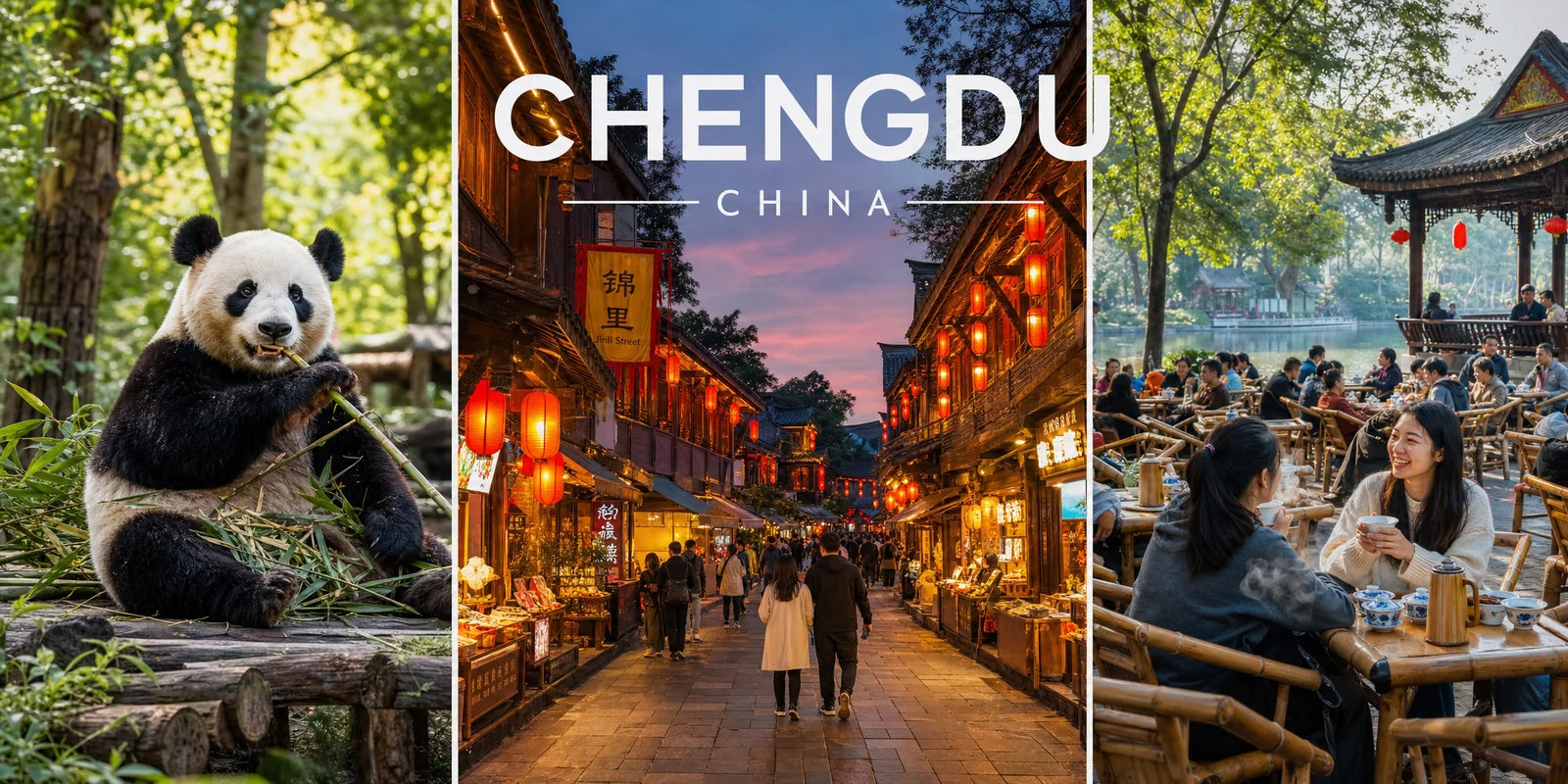
3-Day Chengdu Itinerary
A practical 3-day Chengdu plan covering the Panda Base, Wuhou Shrine, Jinli, People's Park, and a day trip to Leshan...
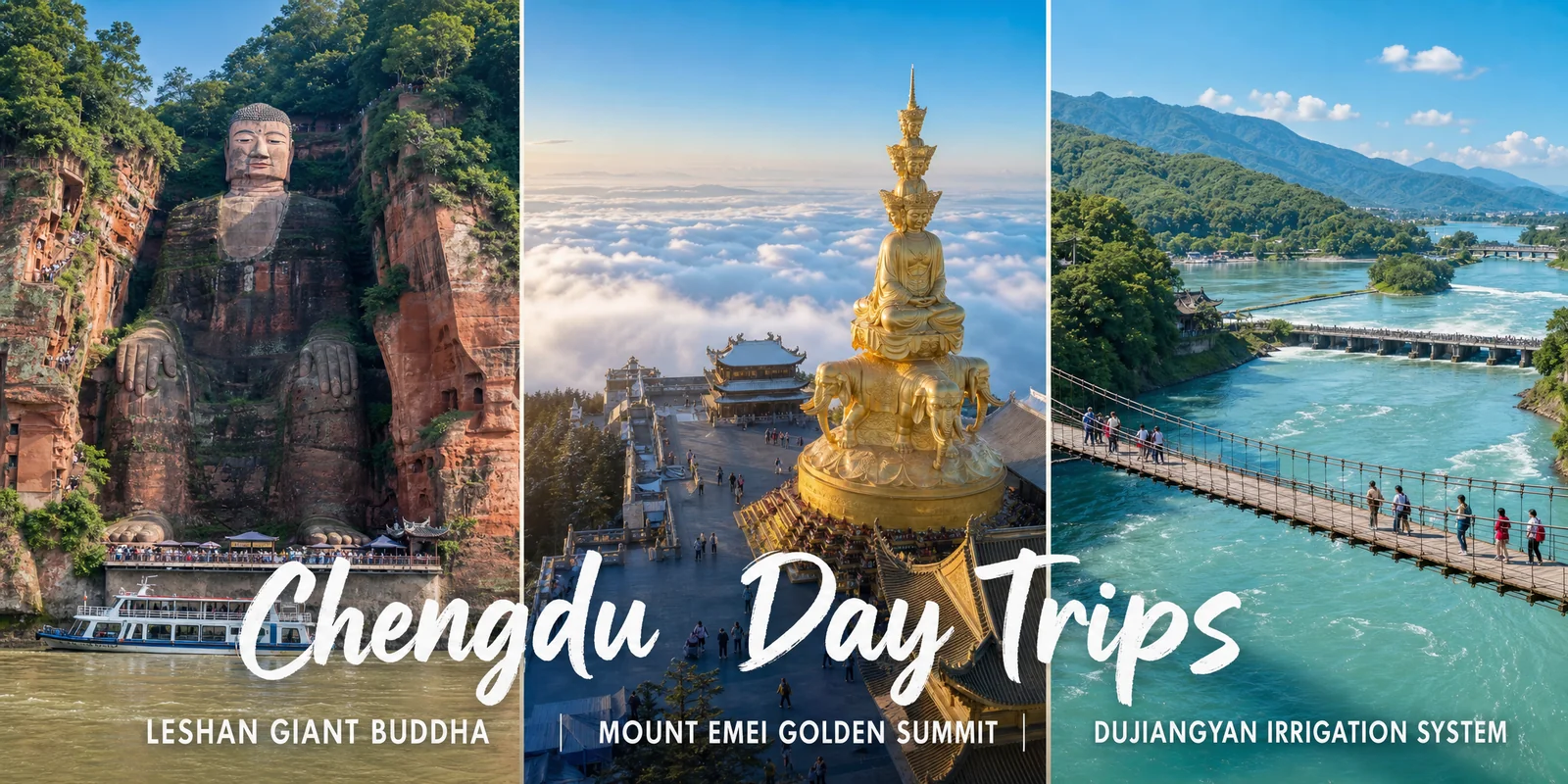
Chengdu Day Trips
The best day trips from Chengdu: the Leshan Giant Buddha, Mount Emei, Dujiangyan, and Qingcheng Mountain — plus...
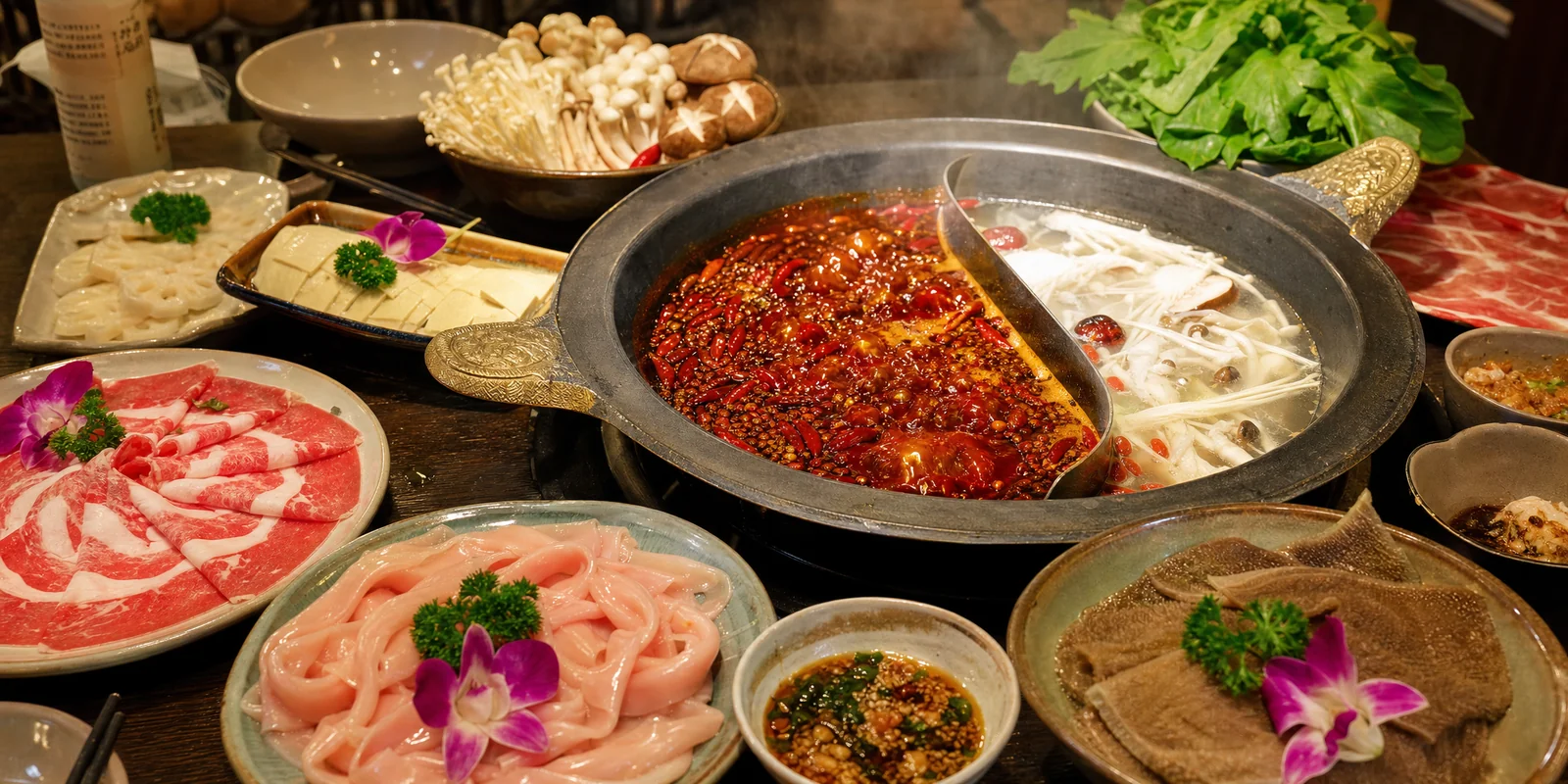
Chengdu Food Guide
Chengdu is China's spice capital and a UNESCO City of Gastronomy. Here's what to eat, where to find it, and how to...
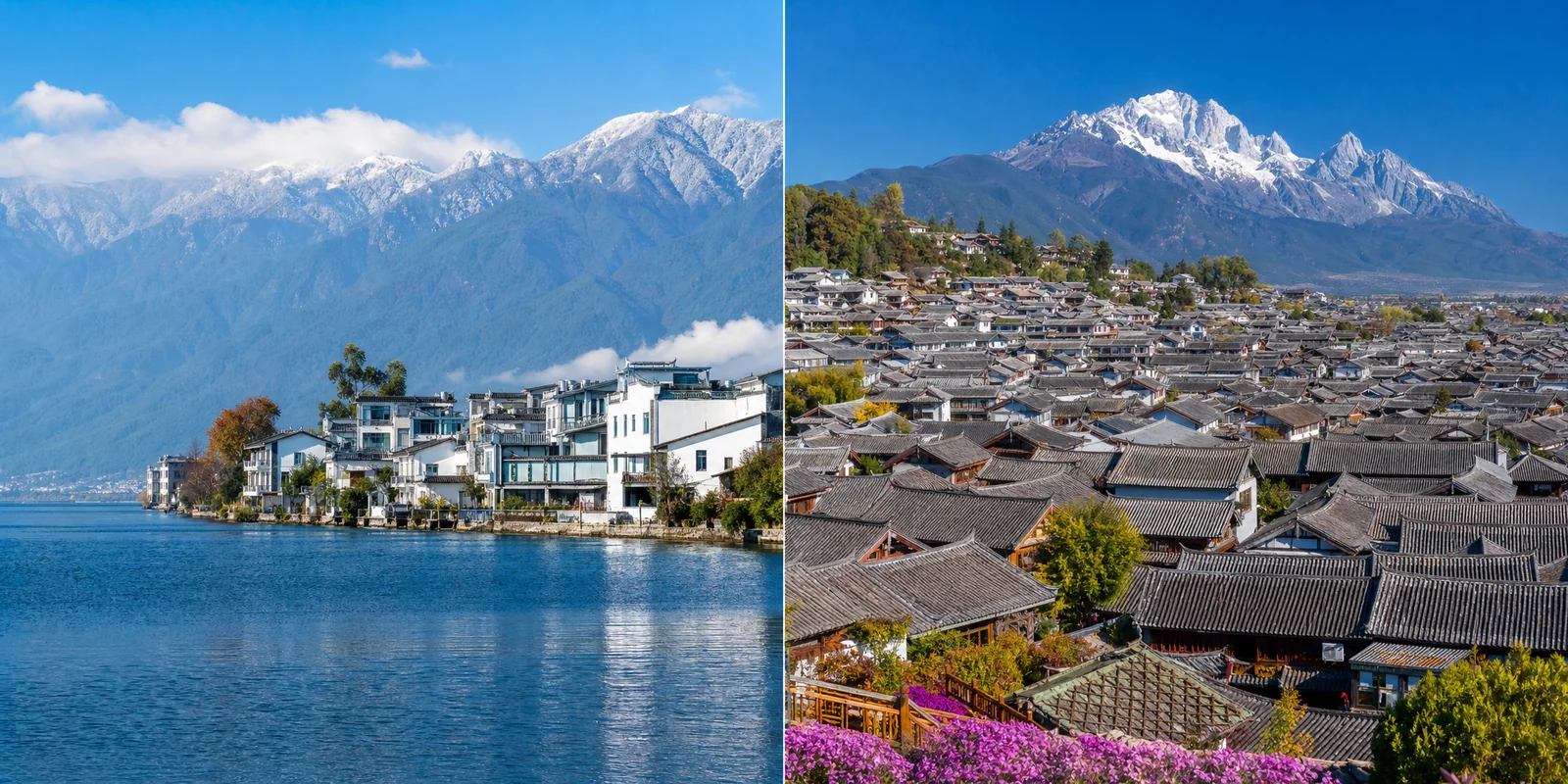
Dali & Lijiang Guide
A practical, in-depth guide to Dali and Lijiang in Yunnan — old towns, Erhai Lake, Jade Dragon Snow Mountain,...