
This article contains affiliate links. If you make a purchase through these links, we may earn a small commission at no extra cost to you. This helps support our work in creating free travel guides.
Chengdu is the capital of Sichuan and the gateway to southwest China. Most travelers come for two things: the giant pandas and the food. Both live up to the reputation. But the city is also worth slowing down for. People here take their tea, their mahjong, and their afternoons seriously, and that relaxed pace is part of why so many visitors stay longer than they planned. Three to four days covers the highlights comfortably, with room for a day trip to the Leshan Giant Buddha. This guide walks you through where to go, what to eat, how to get around, and where to base yourself.
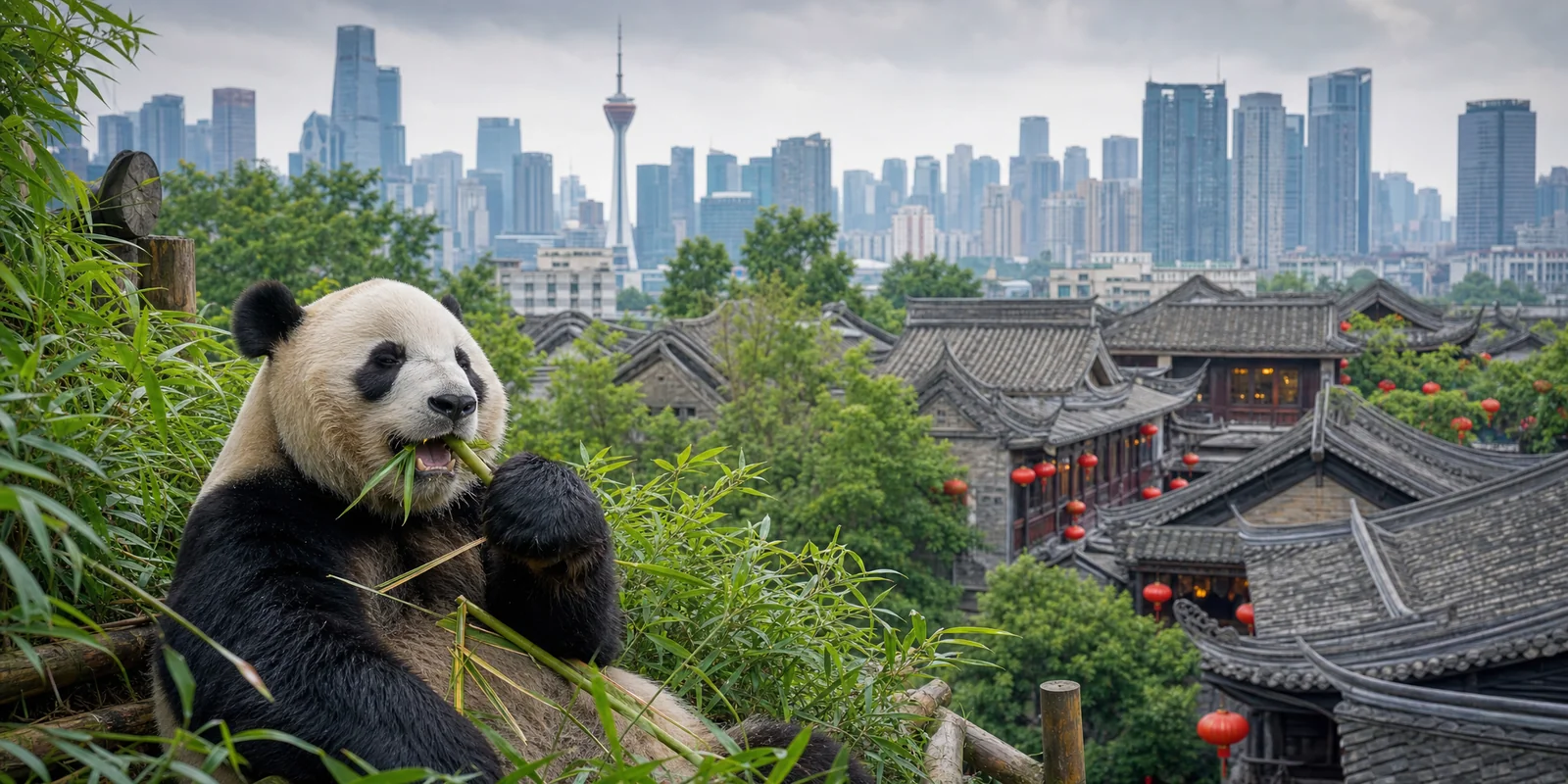
Chengdu at a Glance
Chengdu sits in the Sichuan Basin, ringed by mountains and fed by one of China's oldest irrigation systems. The climate is mild and often overcast; locals joke that the pandas and the people share a fondness for grey skies. The city is flat, easy to walk in patches, and well connected by a clean, expanding metro.
The best months to visit are spring (March to May) and autumn (September to November), when temperatures sit comfortably in the high teens to mid-20s Celsius (60s-70s Fahrenheit). Summer is humid and hot, winter is damp and chilly but rarely freezing. Pack layers and expect little direct sun year-round.
| Detail | Info |
|---|---|
| Best time to visit | March-May, September-November |
| Suggested stay | 3-4 days |
| Main airport | Tianfu (TFU) and Shuangliu (CTU) |
| Getting around | Metro, Didi, taxis |
| Language | Mandarin and Sichuanese dialect |
Getting to and Around Chengdu
Chengdu has two airports. Tianfu International (TFU), southeast of the city, handles most long-haul and a growing share of domestic flights. Shuangliu (CTU), closer to the center, runs mostly domestic routes. Both connect to the metro, though Tianfu is roughly an hour from downtown by train. Check which airport your flight uses before booking a hotel transfer; they are about 70km apart.
By rail, Chengdu is a major high-speed hub. Trains link it to Chongqing in about 1 to 1.5 hours, Xi'an in around 3 to 4 hours, and Chongqing onward to the rest of the country. If you're booking train tickets from abroad, the official platform is 12306, though many travelers find it easier to use an English-language reseller. You can compare schedules and reserve seats through Trip Com Train, which handles the booking and pickup process in English.
Within the city, the metro is your best friend. It's cheap (2-7 yuan per ride), signed in English, and reaches the Panda Base, both airports, and most attractions. For door-to-door trips, Didi (滴滴, China's ride-hailing app) is reliable and far cheaper than a taxi back home. Cash taxis exist but drivers rarely speak English, so having your destination written in Chinese helps.
The Giant Pandas
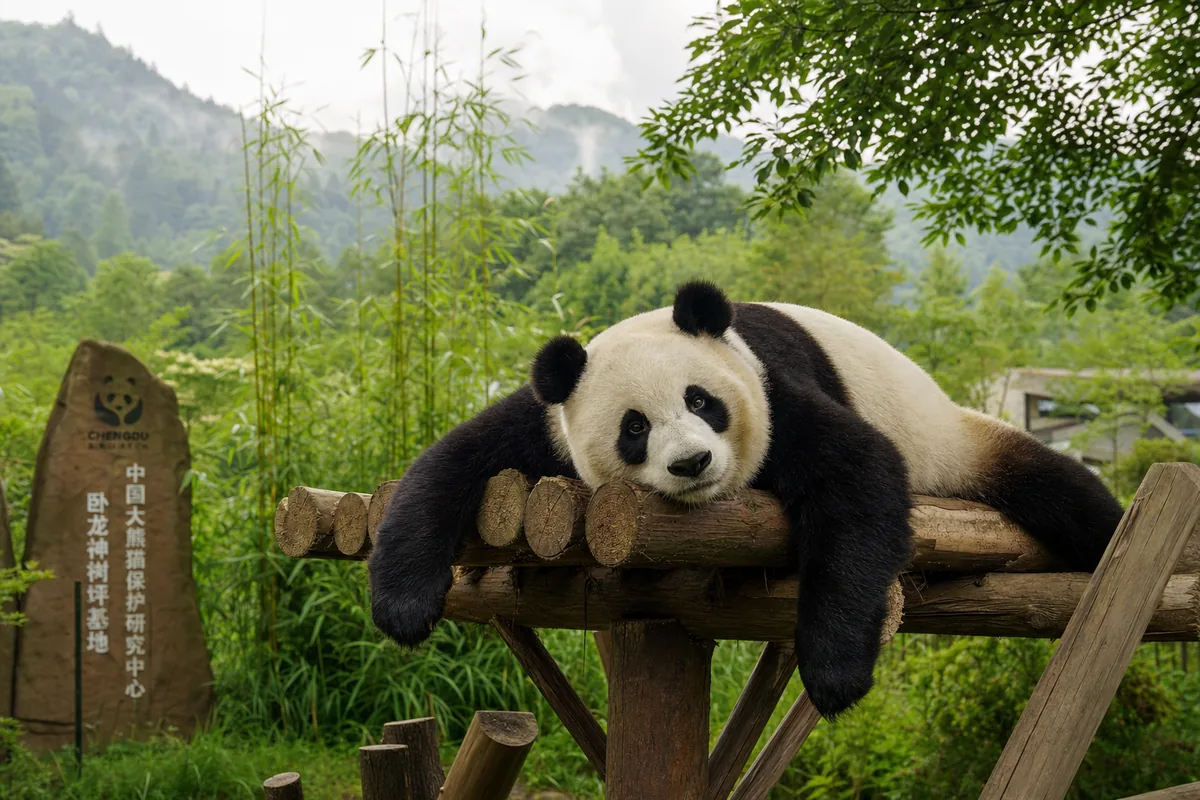
The Chengdu Research Base of Giant Panda Breeding (成都大熊猫繁育研究基地) is the reason most people put Chengdu on their map, and it earns the attention. This is a working conservation and breeding center, not a zoo, set across leafy grounds about 10km north of the center. You'll see pandas of all ages, from newborns in the nursery to adults sprawled across climbing frames, plus red pandas wandering nearer eye level.
Timing matters more here than anywhere else in the city. Pandas are most active in the cool of the morning, roughly 8:30 to 10:00am, when they're fed and moving around. By midday they're usually asleep. Aim to arrive at opening (7:30am in peak season) to beat both the heat and the crowds. Give yourself two to three hours to walk the grounds.
You can buy tickets at the gate, but lines get long in high season and on weekends. Booking ahead saves time, and platforms like Klook offer skip-the-line entry plus optional shuttle transfers from the city, which is handy if you don't want to navigate the metro-plus-bus connection. The base also offers a panda volunteer program; spots are limited and sell out, so arrange it well in advance if it interests you.
Jinli Ancient Street
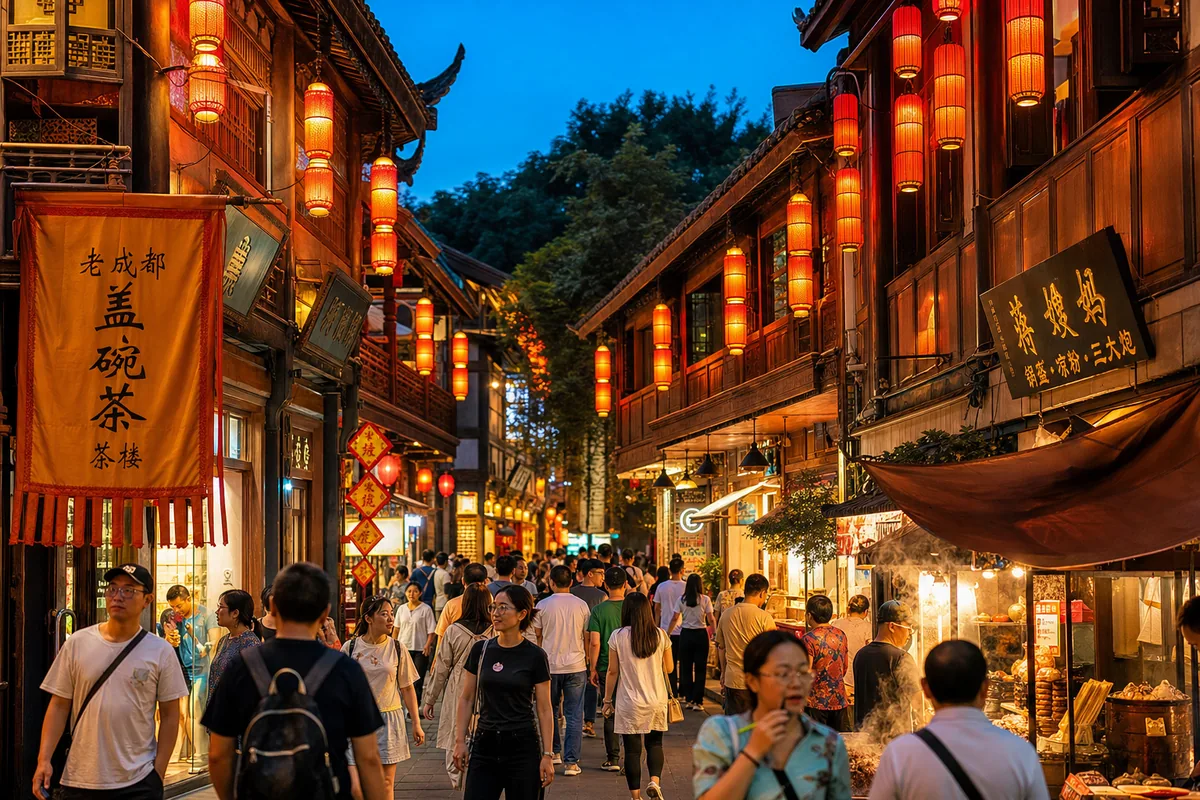
Jinli (锦里) is a restored Qing-dynasty-style pedestrian street next to the Wuhou Shrine. Yes, it's touristy, and yes, it's worth an evening. The lanes are lined with wooden shopfronts, red lanterns, snack stalls, teahouses, and a small bar street toward the back. It's most atmospheric after dark when the lanterns come on and the crowds thin slightly.
Come hungry. Jinli is a good place to graze on Sichuan street snacks without committing to a full meal: try sanpao (三炮, glutinous rice balls slapped down with a loud bang), spicy rabbit head if you're brave, and bingfen (冰粉, a chilled jelly dessert). Prices are higher than elsewhere in the city, but portions are small and meant for sampling.
Wuhou Shrine
Right next to Jinli sits the Wuhou Shrine (武侯祠), the most important memorial to the heroes of the Three Kingdoms period (around 220-280 CE). It honors Zhuge Liang, the legendary strategist, alongside the emperor Liu Bei, whose tomb is on the grounds. If you've played Dynasty Warriors or read Romance of the Three Kingdoms, this is where that history lives.
Even without the cultural backstory, the complex is a calm, beautiful walk: red walls, old cypress trees, statues of historical figures, and a bamboo-lined corridor that's one of the most photographed spots in the city. Allow about an hour, and consider pairing it with Jinli next door since they share an entrance area.
Leshan Giant Buddha (Day Trip)
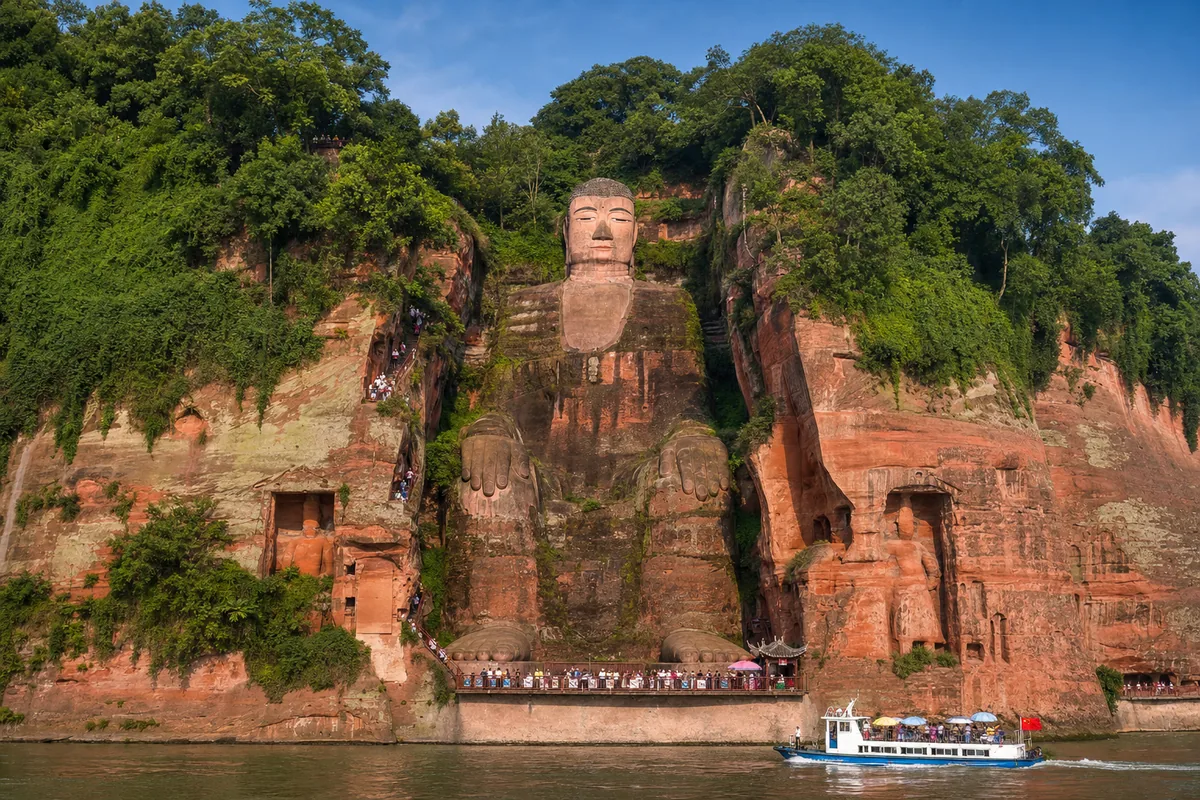
The Leshan Giant Buddha (乐山大佛) is the largest stone Buddha in the world, carved into a cliff face where three rivers meet. It stands 71 meters tall, and it's genuinely hard to grasp the scale until you're standing at its feet, or peering down at its head from the top. A single toenail is bigger than a person. It's a UNESCO World Heritage Site and an easy day trip from Chengdu.
High-speed trains run from Chengdu to Leshan in about an hour. From Leshan station, a local bus or Didi takes you to the scenic area. You can see the Buddha two ways: walk the cliffside staircase down past the statue (expect queues at peak times, sometimes over an hour), or take a river boat for a full-front view without the wait. Many travelers do the boat first, then decide whether the stairs are worth it. UNESCO's listing describes the surrounding Mount Emei scenic area in more detail if you want to plan a longer two-day version.
For a deeper look at this and other excursions, see our Chengdu day trips guide.
What and Where to Eat
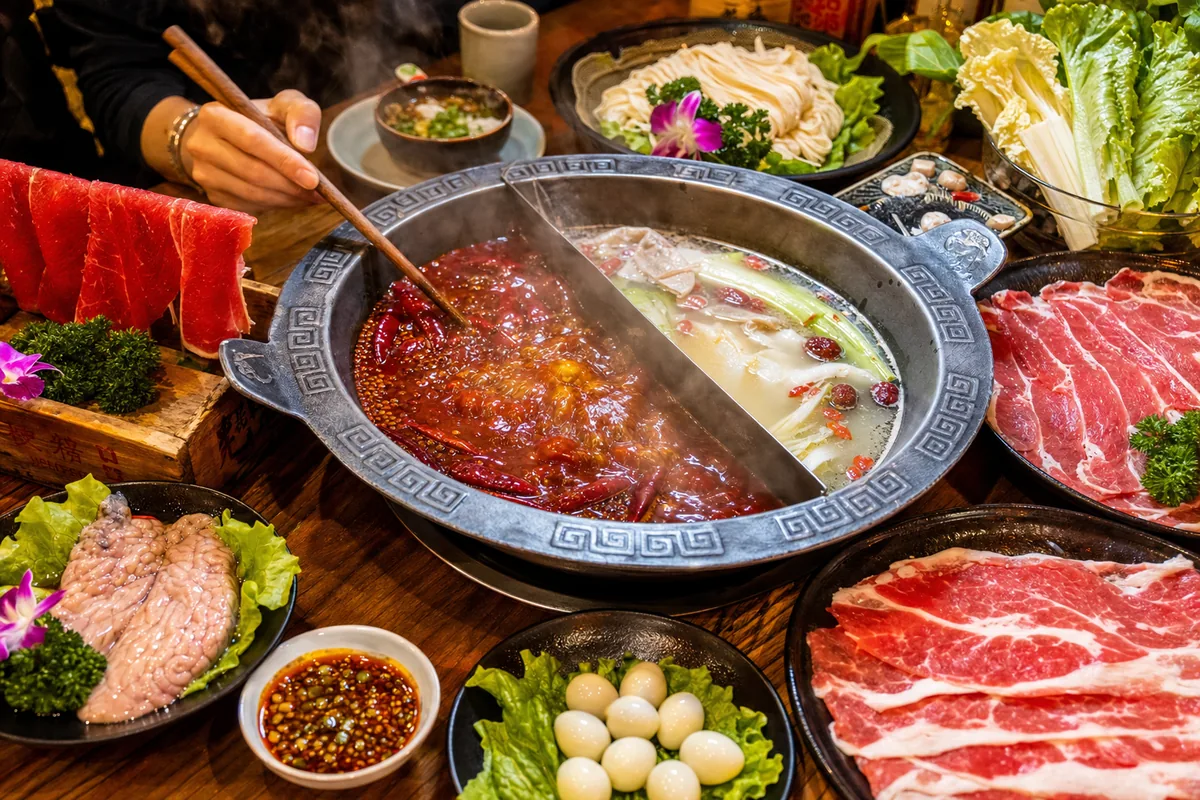
Sichuan food is the other reason people come, and Chengdu is its heartland. The signature sensation is málà (麻辣), a combination of chili heat and the tingling numbness of Sichuan peppercorns. If you've only had "Chinese takeout" abroad, the real thing is a different experience: bolder, more layered, and not always as eye-wateringly spicy as its reputation suggests. You can ask for wēilà (微辣, mild) at most places.
Dishes to seek out:
- Hotpot (火锅, huǒguō) — the city's social meal. A bubbling pot of chili-oil broth at your table, into which you dip thin meat, vegetables, and tofu. Order a split pot (yuānyāng, 鸳鸯) with one mild and one spicy side if you're new to it.
- Mapo tofu (麻婆豆腐) — soft tofu in a spicy, numbing bean-paste sauce. Born in Chengdu and worth eating at its source.
- Dan dan noodles (担担面) — wheat noodles with chili oil, minced pork, and preserved vegetables. A cheap, perfect lunch.
- Sichuan cold dishes — like mouthwatering chicken (口水鸡) and spicy wontons, big on flavor and easy to share.
For where to base your eating, the Jinli and Kuanzhai Alley (宽窄巷子) areas are convenient for snacks, while local hotpot chains and neighborhood spots away from the tourist core give you better value and atmosphere. Our full Chengdu food guide breaks down specific restaurants and how to order.
Tea Houses and Kuanzhai Alley
To understand Chengdu's pace, spend an afternoon in a teahouse. The most famous is in People's Park (人民公园), where rows of bamboo chairs fill with locals sipping jasmine tea, playing cards, and getting their ears cleaned by roving cleaners with long tools (a genuine local tradition, not a tourist gimmick). A pot of tea costs around 15-30 yuan and buys you a seat for as long as you like.
Kuanzhai Alley (Kuanzhai Xiangzi, 宽窄巷子) is a trio of restored lanes of "wide" and "narrow" courtyards, now full of cafes, boutiques, and tea houses. Like Jinli it's polished and busy, but the architecture is lovely and it's a pleasant place to wander between meals.
Where to Stay
Chengdu's neighborhoods each suit a different kind of trip:
| Area | Good for | Notes |
|---|---|---|
| Chunxi Road / Taikoo Li | First-timers, shopping | Central, on the metro, lively day and night |
| Tianfu Square area | Sightseeing base | Heart of the city, easy metro access everywhere |
| Wuhou / Jinli | Culture and food | Near top attractions, more local feel |
| Near Panda Base (north) | Early panda visits | Quieter, less central, fewer dining options |
For most visitors, staying somewhere central and metro-connected (Chunxi Road or Tianfu Square) beats staying near the Panda Base, since you only visit the base once and everything else is downtown. You'll find everything from hostels to international five-stars. Comparing rates across a few dates on Booking.com usually surfaces the best value, and booking early pays off during spring and autumn peak season.
Nightlife
Chengdu has one of the liveliest night scenes in western China. The city is known nationally for its bars, live music, and a growing club culture. For a relaxed evening, the Jiuyanqiao (九眼桥) riverside area packs in bars and restaurants, busiest from late evening onward. Lan Kwai Fong Chengdu, a riverside complex of the same brand as Hong Kong's, draws a louder, club-oriented crowd.
For something quieter, craft beer bars and tea-house-style lounges are scattered through the Taikoo Li and Kuanzhai Alley areas. Chengdu is also a hub for indie and rock music, so check what's on at smaller venues if live music is your thing.
Suggested 3-Day Itinerary
A simple framework that covers the essentials without rushing:
- Day 1: Early morning at the Giant Panda Base, afternoon at Wuhou Shrine, evening at Jinli for snacks and lanterns.
- Day 2: Leshan Giant Buddha day trip by high-speed train, returning for a hotpot dinner in the city.
- Day 3: Teahouse morning at People's Park, Kuanzhai Alley, and shopping or strolling around Taikoo Li and Chunxi Road.
If you have a fourth day, add Dujiangyan's ancient irrigation works or push deeper into Sichuan. For a more detailed plan with timings, see our 3-day Chengdu itinerary.
For planning metro routes between attractions and mapping your days, the WaysChina app has offline metro maps for Chengdu and a built-in trip planner you can use without a connection.
Onward Travel from Chengdu
Chengdu is a natural launchpad for the rest of southwest China:
- Chongqing — about 1 to 1.5 hours by high-speed train. A dramatic mountain megacity famous for its own, even spicier, style of hotpot. See our Chongqing complete guide.
- Lhasa — Chengdu is one of the main entry points to Tibet, with direct flights (around 2.5 hours) and the option of the high-altitude train. Note that foreign travelers need a Tibet Travel Permit arranged in advance; details are in our Lhasa & Tibet guide.
- Jiuzhaigou — the famous valley of turquoise lakes in northern Sichuan, reachable by a roughly 1-hour flight to Jiuzhai Huanglong Airport, or a long mountain drive of 8 to 10 hours. Flying is strongly recommended.
The Bottom Line
Chengdu rewards a slower trip. Three to four days lets you see the pandas at their liveliest, eat your way through Sichuan's best dishes, take in the Leshan Giant Buddha, and still have an afternoon to do nothing but drink tea and watch the city go by. Base yourself centrally near a metro line, set up mobile payments before you arrive, and book the Panda Base and any peak-season hotels ahead of time. Get those basics sorted and the rest of Chengdu unfolds easily. Prices, opening hours, and entry policies change, so confirm the latest details for the Panda Base and Leshan before you go.
Related Reading
- Chengdu Food Guide — where and what to eat, dish by dish
- 3-Day Chengdu Itinerary — a detailed day-by-day plan
- Chengdu Day Trips — Leshan, Dujiangyan, and beyond
- Chongqing Complete Guide — the obvious next stop
- Understanding Chinese Payment Systems — set up before you fly
Last updated: June 2026
Read in other languages
Getting to the sights by metro
Chengdu Panda Base
World-renowned panda research base with daily morning feeding shows.
- Panda Avenue
Wuhou Shrine & Jinli
Memorial temple to Three Kingdoms hero Zhuge Liang, beside the Jinli folk street.
- Wohou Shrine
Kuanzhai Alleys
Three parallel Qing-era alleyways with teahouses, snacks and traditional shops.
- Kuanzhaixiangzi Alleys
Du Fu Thatched Cottage
Restored thatched cottage where the Tang poet Du Fu lived for 4 years.
- Du Fu Thatched Cottage
Chunxi Road & Taikoo Li
Premier shopping district pairing pedestrian street with Taikoo Li's modern complex.
- Chunxi Road
Tianfu Square
Central plaza with Mao statue and the Sichuan Science & Technology Museum.
- Tianfu Square
Jinsha Site Museum
3,000-year-old Shu kingdom archaeological site with the iconic Sun & Immortal Birds gold disc.
- Jinsha Site Museum
Wenshu Monastery
Active Tang-era Buddhist monastery with vegetarian dining and a teahouse courtyard.
- Wenshu Monastery
Qingyang Palace
Southwest China's largest Taoist temple, named for the bronze goats in its courtyard.
- Qingyang Taoist Temple
People's Park
Beloved local park with Heming Teahouse — best place to experience Chengdu lifestyle.
- People's Park
Yongling Mausoleum (Wang Jian Tomb)
Tomb of 10th-century Former Shu emperor Wang Jian, with rare stone tomb chamber.
- Wenshu Monastery
Dujiangyan Irrigation System
2,300-year-old UNESCO irrigation system still in use; reach via 30-min intercity rail.
- Chengdu West Railway
Chengdu East Railway Hub
Major high-speed rail hub linking Chengdu to all of southwestern China.
- Chengdu East Railway
Chengdu Tianfu International Airport
Chengdu's main international airport (TFU), opened 2021; western China's largest aviation hub.
- Terminal 1 & 2 of Tianfu International Airport
- Tianfu International Airport North
Chengdu Shuangliu International Airport
Chengdu's secondary airport (CTU), 16 km from city center; mostly domestic and short-haul international after Tianfu opened.
- Terminal 2 of Shuangliu International Airport
- Terminal 1 of Shuangliu International Airport
Chengdu metro: last train times by station
Every line and station, checked by hand — the same data behind our offline route planner.
Get the WaysChina App
Offline guides, currency converter, essential phrases, and more — all in your pocket.

Related Articles
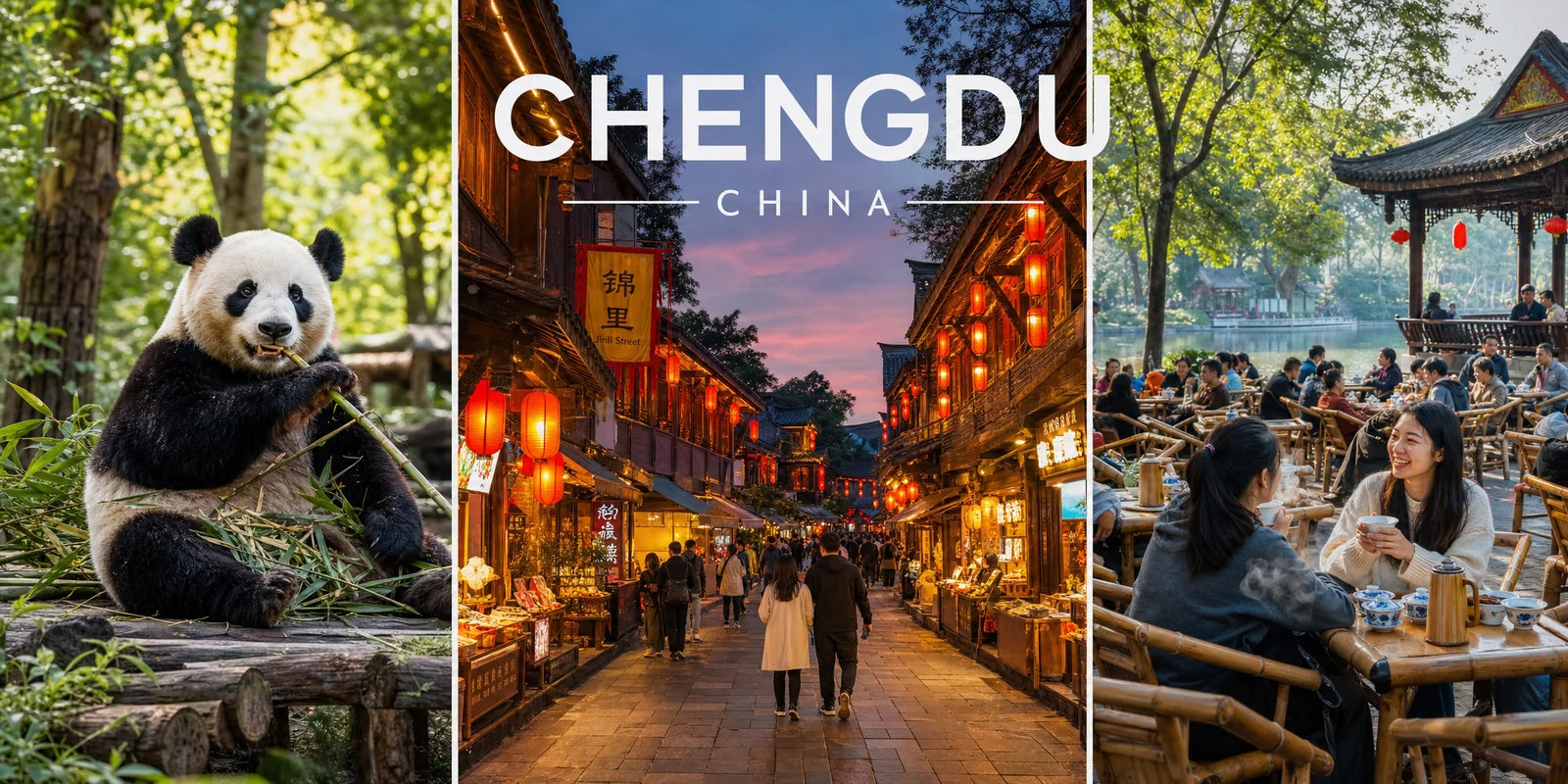
3-Day Chengdu Itinerary
A practical 3-day Chengdu plan covering the Panda Base, Wuhou Shrine, Jinli, People's Park, and a day trip to Leshan...
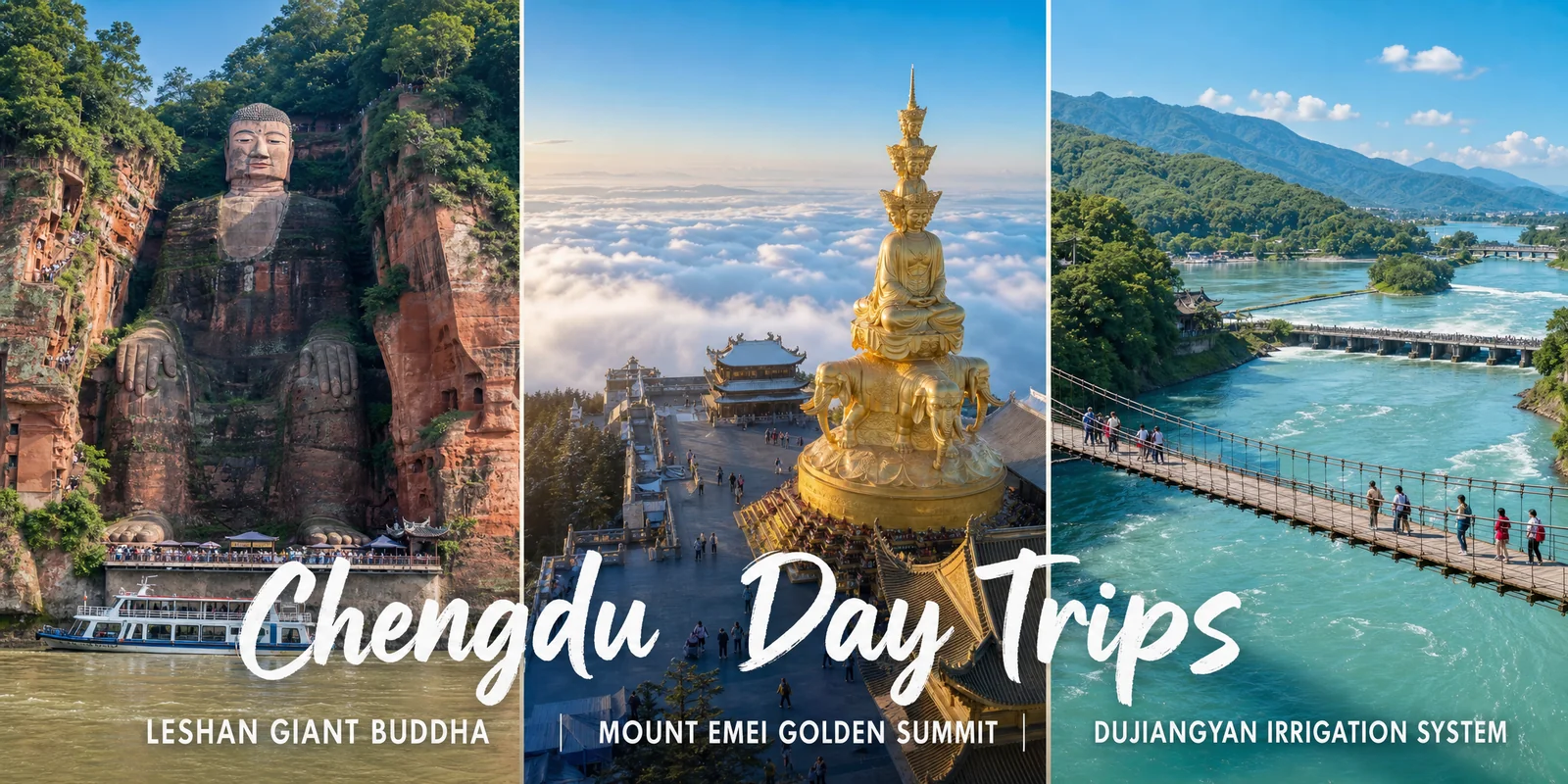
Chengdu Day Trips
The best day trips from Chengdu: the Leshan Giant Buddha, Mount Emei, Dujiangyan, and Qingcheng Mountain — plus...
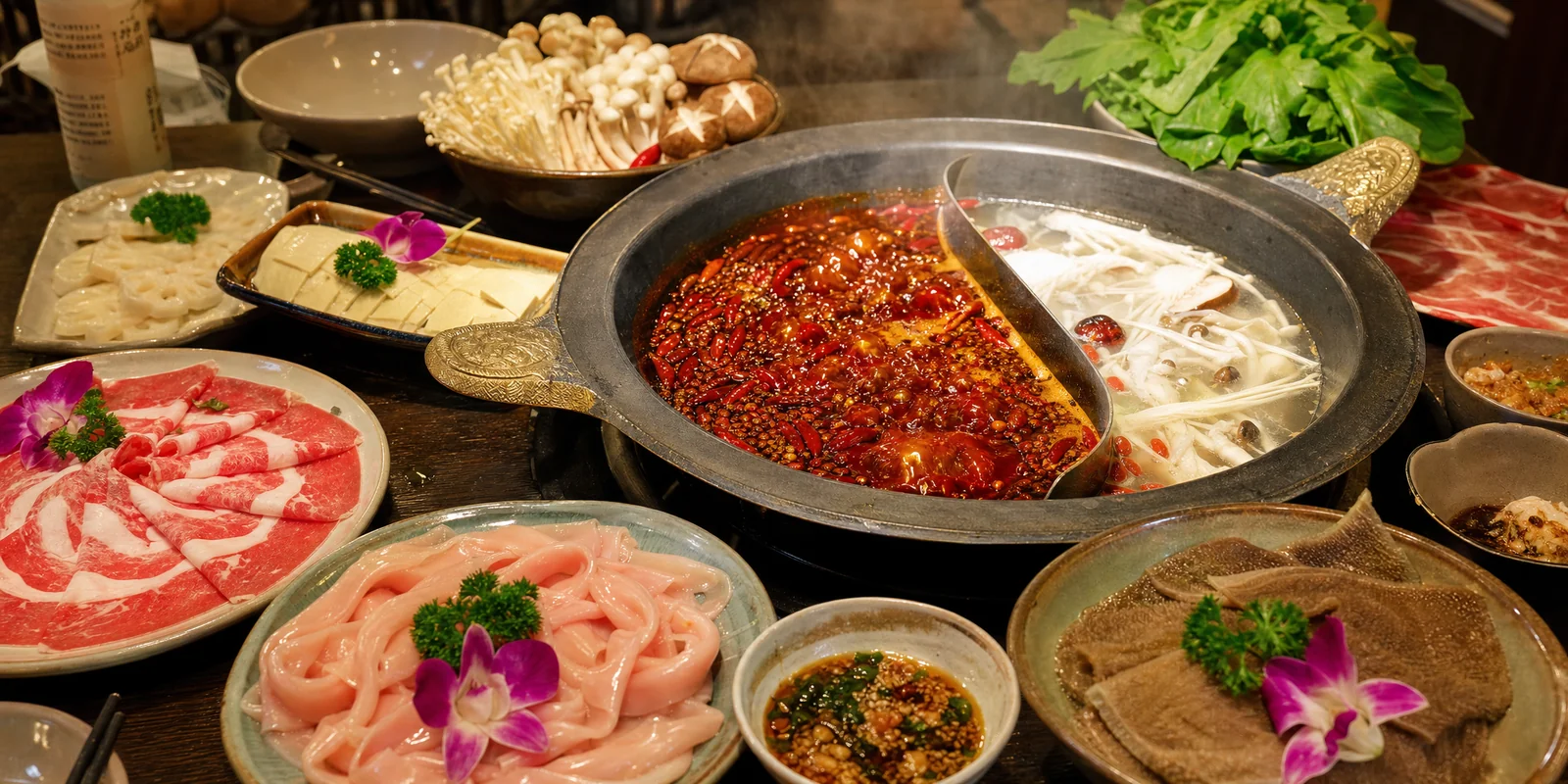
Chengdu Food Guide
Chengdu is China's spice capital and a UNESCO City of Gastronomy. Here's what to eat, where to find it, and how to...
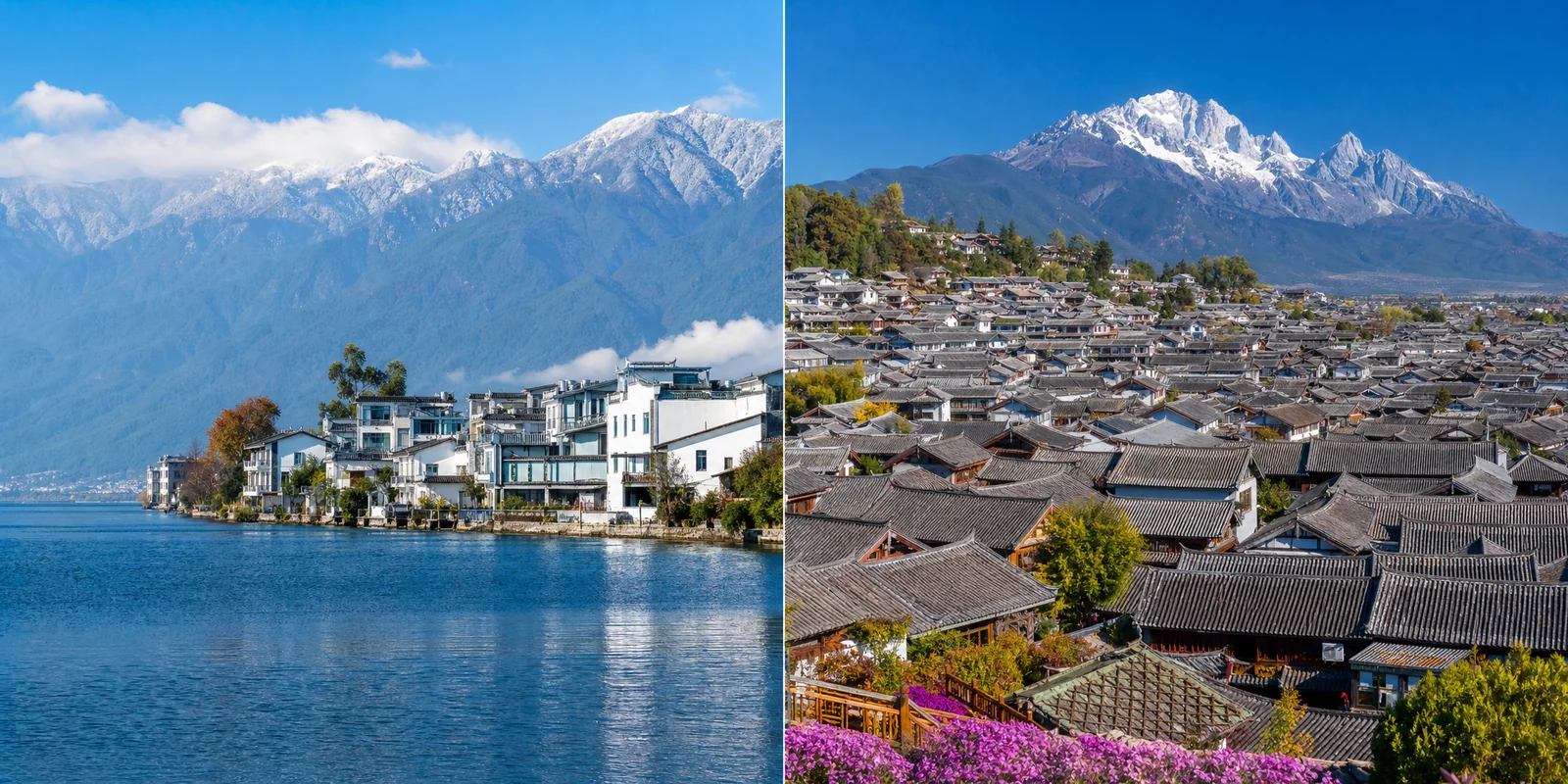
Dali & Lijiang Guide
A practical, in-depth guide to Dali and Lijiang in Yunnan — old towns, Erhai Lake, Jade Dragon Snow Mountain,...