
This article contains affiliate links. If you make a purchase through these links, we may earn a small commission at no extra cost to you. This helps support our work in creating free travel guides.
One week is enough to see the three cities that define a first trip to China: Beijing for imperial history and the Great Wall, Xi'an for the Terracotta Army, and Shanghai for the modern skyline. The route works because high-speed trains connect all three in a few hours each, so you spend your time sightseeing rather than in transit. This is the classic loop, and for good reason — it covers ancient and modern China without backtracking, and it's the most efficient way to use seven days.
Below is a day-by-day plan with timings, transport between cities, and a budget you can actually plan around. Adjust the pace to your taste, but the structure holds up well for most travelers.
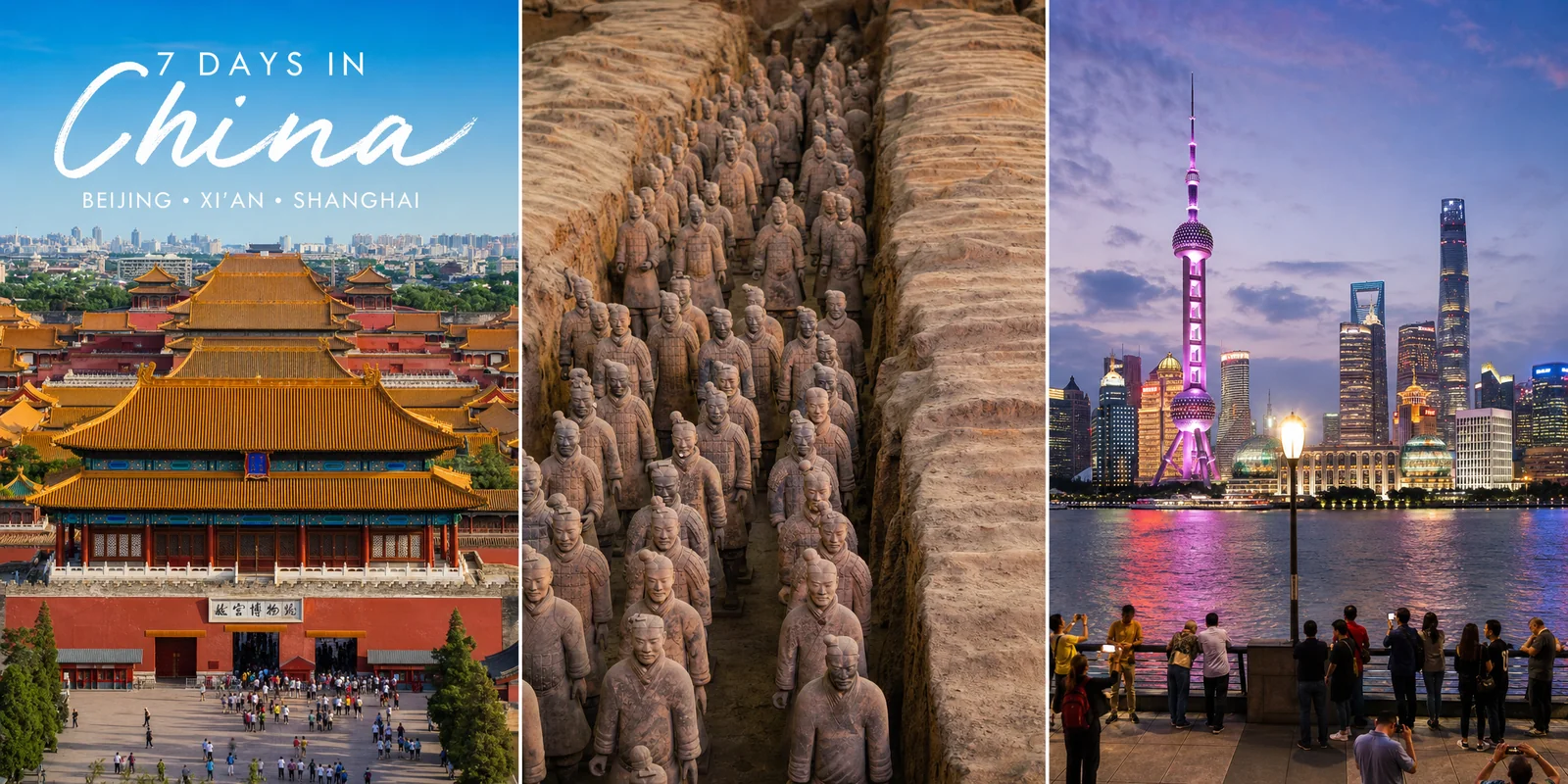
Itinerary at a Glance
| Days | City | Highlights | Nights |
|---|---|---|---|
| 1–3 | Beijing | Forbidden City, Great Wall, Temple of Heaven | 3 |
| 4–5 | Xi'an | Terracotta Army, City Wall, Muslim Quarter | 2 |
| 6–7 | Shanghai | The Bund, Yu Garden, French Concession | 2 |
Fly into Beijing and out of Shanghai (an "open-jaw" ticket) so you don't waste time returning to your arrival city. The two intercity legs — Beijing to Xi'an, and Xi'an to Shanghai — are both done by high-speed train (高铁, gāotiě).
Day 1: Arrive in Beijing
Most international flights land at Beijing Capital (PEK) or Daxing (PKX). From either airport, the simplest way into the city is the Airport Express or the metro, but after a long flight a taxi or Didi (China's Uber) is worth the extra cost. Budget 90–150 RMB for a taxi from PEK to the center, more from PKX, which is farther out.
Use the afternoon to settle in and beat jet lag with a gentle walk. If you have energy, head to Tiananmen Square and the surrounding area in the evening, or save it for tomorrow. Eat an early dinner — try Peking duck if you're not too tired.
Set up your phone before anything else: install a translation app, a map app that works in China, and Alipay or WeChat Pay linked to a foreign card. Almost everything here runs on QR code payments, and you'll want this sorted on day one.
Day 2: Forbidden City & Central Beijing
Start early at the Forbidden City (故宫, Gùgōng), the imperial palace complex at the heart of the city. Tickets must be booked online in advance through the official reservation system — they sell out days ahead in peak season, and you cannot buy them at the gate. Entry is from the south (Meridian Gate); plan 3–4 hours to walk through.
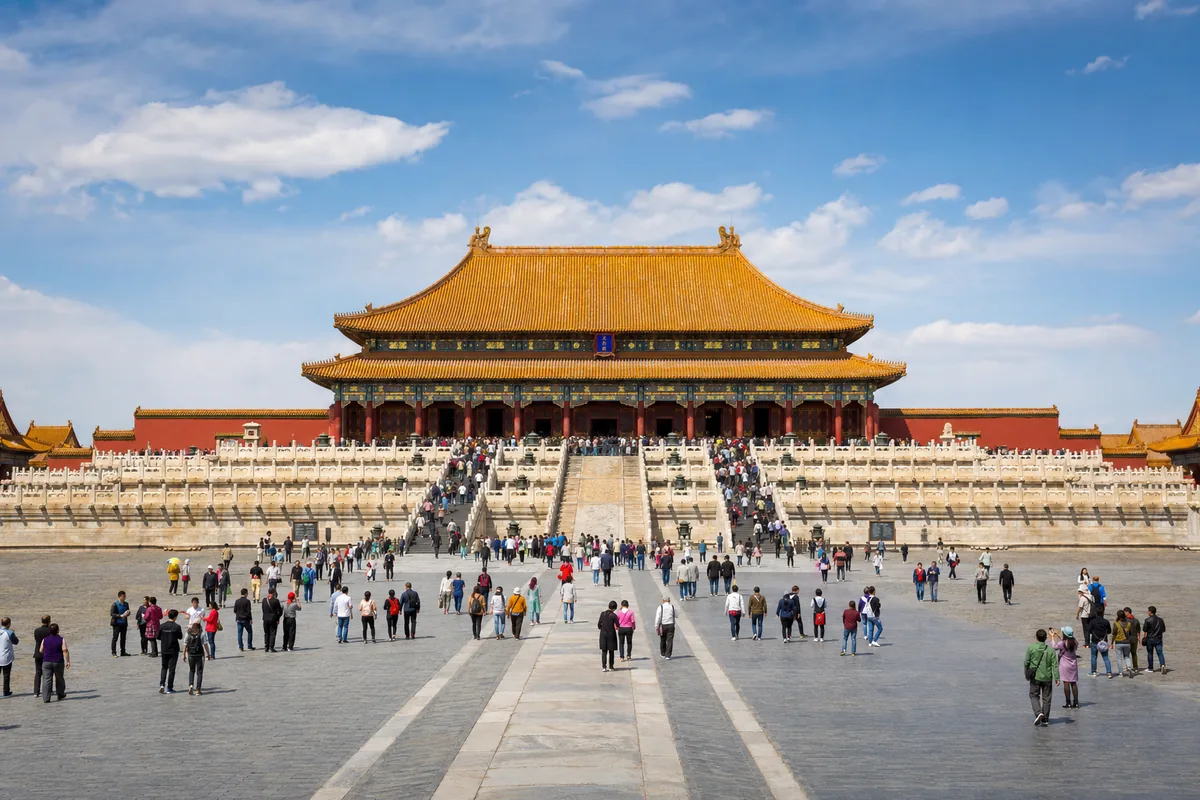
From the north exit, cross to Jingshan Park and climb the hill for the best view over the palace rooftops — you'll see the entire golden-roofed complex laid out below you. In the afternoon, visit the Temple of Heaven (天坛, Tiāntán), a large park with a striking circular hall where emperors prayed for good harvests. Locals practice tai chi and play cards in the surrounding grounds.
For dinner, the area around Qianmen and the Dashilan hutongs has both tourist restaurants and quieter local spots. This is a good night for a proper Peking duck meal — Quanjude and Siji Minfu are reliable choices.
Day 3: The Great Wall
The Great Wall is the reason most people come to Beijing, and it deserves a full day. The two most popular sections for day trips are Mutianyu and Badaling. Mutianyu is restored but less crowded, with a cable car and a toboggan ride down — better for most visitors. Badaling is closer and easier to reach by public transport but far busier.
Mutianyu is about 70km from central Beijing (1.5–2 hours by car). Options for getting there:
- Private car or driver: most flexible, around 500–700 RMB for the day split between your group.
- Organized day tour: includes transport and a guide, easiest if you don't want to plan logistics.
- Public bus + transfer: cheapest but slow and involves changes.
If you'd rather not deal with the logistics, booking a guided Great Wall day trip through a platform like Klook covers transport, tickets, and a guide in one package — useful given how far the better sections are from the city.
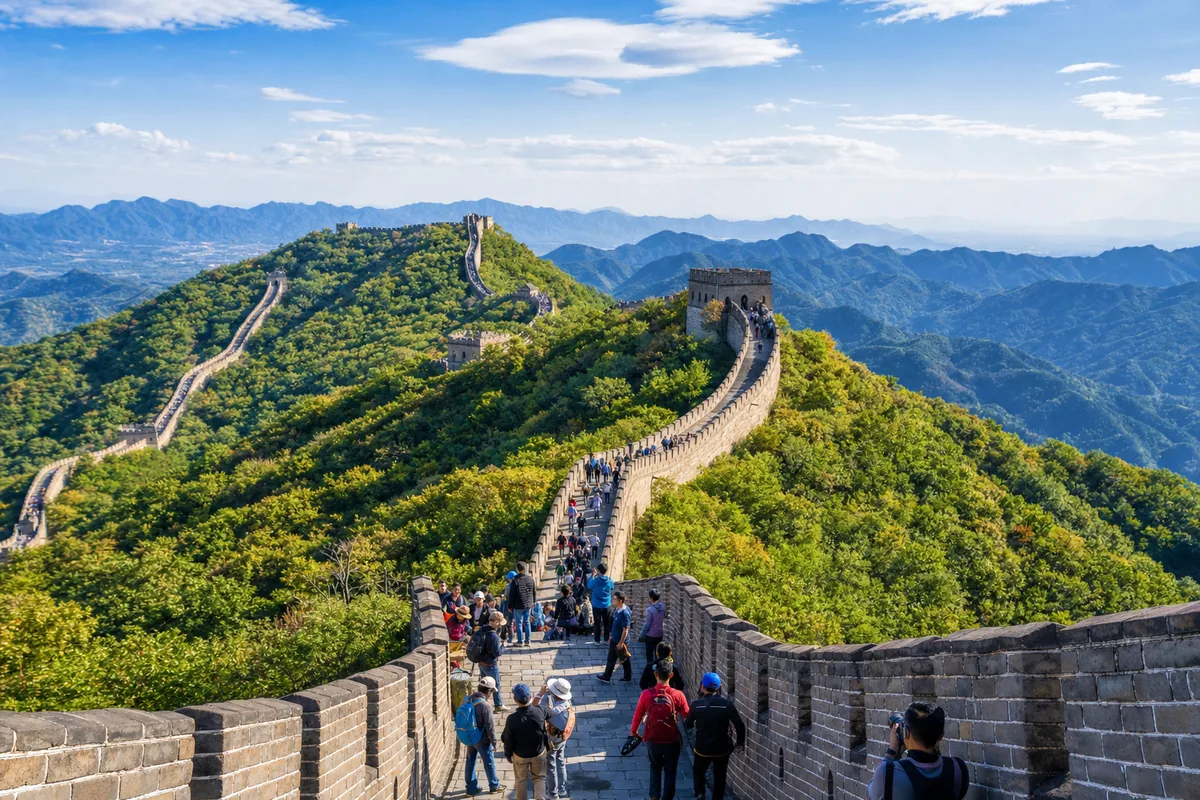
Spend 2–3 hours walking the Wall. Get back to Beijing by late afternoon, since you have a train tomorrow. If you have energy left, the Summer Palace or a hutong walk around Houhai Lake makes a relaxed evening.
Day 4: Train to Xi'an, Afternoon City Wall
Take a morning high-speed train from Beijing West station to Xi'an North. The journey takes about 4.5–6 hours depending on the service, covering roughly 1,100km. Book a morning departure so you arrive with the afternoon free.
Tickets go on sale up to about two weeks ahead and second-class fares run around 515 RMB. You can book through the official 12306 platform or an English-language reseller like Trip Com, which is easier if you don't read Chinese. Bring your passport — it's your ticket and you'll need it to pass the station gates.
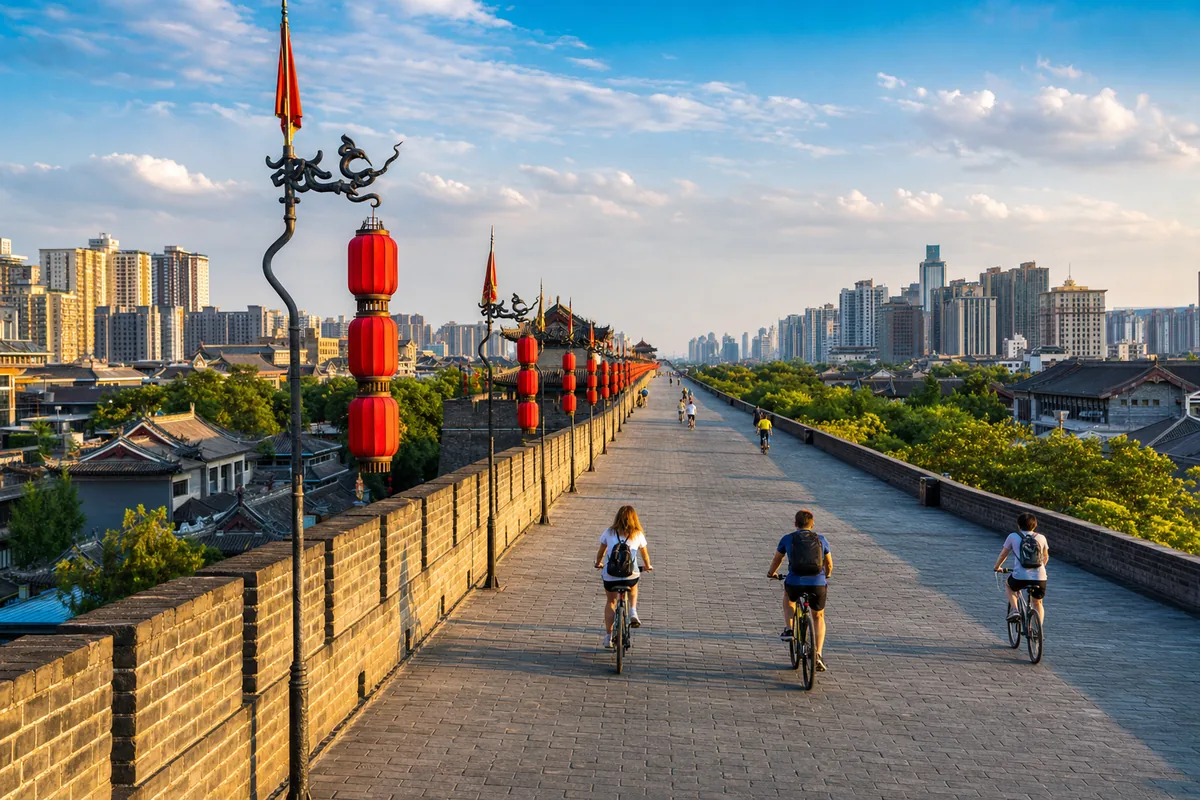
From Xi'an North, take metro Line 2 into the center (about 30 minutes). Drop your bags, then head to the Xi'an City Wall (西安城墙), one of the best-preserved ancient walls in China. You can walk it or, better, rent a bike and ride the full 14km loop on top — about 90 minutes at an easy pace, with views over the old city on one side and the modern city on the other.
In the evening, walk to the Muslim Quarter (回民街, Huímín Jiē) near the Bell Tower. The lanes are packed with food stalls — try roujiamo (a stuffed flatbread often called a Chinese hamburger), hand-pulled noodles, and persimmon cakes. This is one of the best street food areas in the country.
Day 5: Terracotta Army
The Terracotta Army (兵马俑, Bīngmǎyǒng) sits about 40km east of Xi'an and is the headline sight of the city — thousands of life-sized clay soldiers buried with China's first emperor over 2,200 years ago. You'll need 3–4 hours here.
To get there, take the tourist bus from Xi'an Railway Station (around 7 RMB, about an hour) or a Didi (around 100–130 RMB one way). The site has three pits; Pit 1 is the largest and most impressive, with rows of soldiers stretching back into the excavation. Visit the smaller pits and the bronze chariot exhibit too.
Back in Xi'an for the afternoon, you have options: the Big Wild Goose Pagoda (大雁塔) and its evening fountain show, the excellent Shaanxi History Museum (free, but reserve ahead), or simply more time in the old town. Have a final bowl of Xi'an noodles before your train tomorrow.
Day 6: Train to Shanghai, The Bund
Take a morning high-speed train from Xi'an North to Shanghai Hongqiao. This is the longest leg — roughly 6–7 hours over 1,500km — so a morning departure is essential. Bring snacks; there's a dining car but the selection is limited. Second-class fares run around 670 RMB.
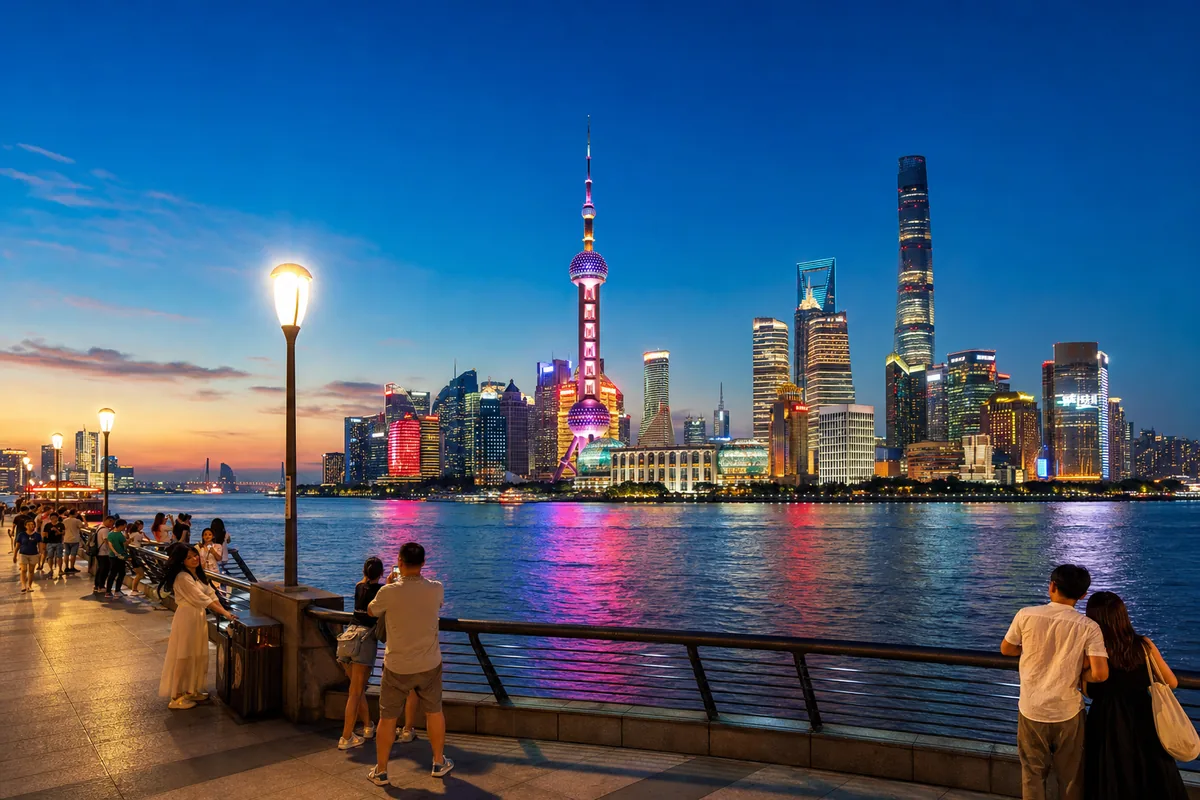
Arrive in the afternoon and take the metro to your hotel. In the evening, head to The Bund (外滩, Wàitān), the waterfront promenade lined with 1920s European-style buildings on one side and the Pudong skyline across the river on the other. Come at dusk to see both the historic facades and the lit-up towers — the Oriental Pearl Tower and the Shanghai Tower dominate the far bank.
For dinner, walk into the streets behind the Bund or take the metro to a livelier district. Shanghai food leans sweeter than northern cooking — try xiaolongbao (soup dumplings) and shengjianbao (pan-fried buns).
Day 7: Shanghai — Yu Garden & French Concession
Start at Yu Garden (豫园, Yùyuán), a classical Ming-dynasty garden in the old city, surrounded by a bazaar of shops and snack stalls. Go early to beat the crowds. The garden itself is small but detailed — rockeries, ponds, and pavilions packed into a compact space.
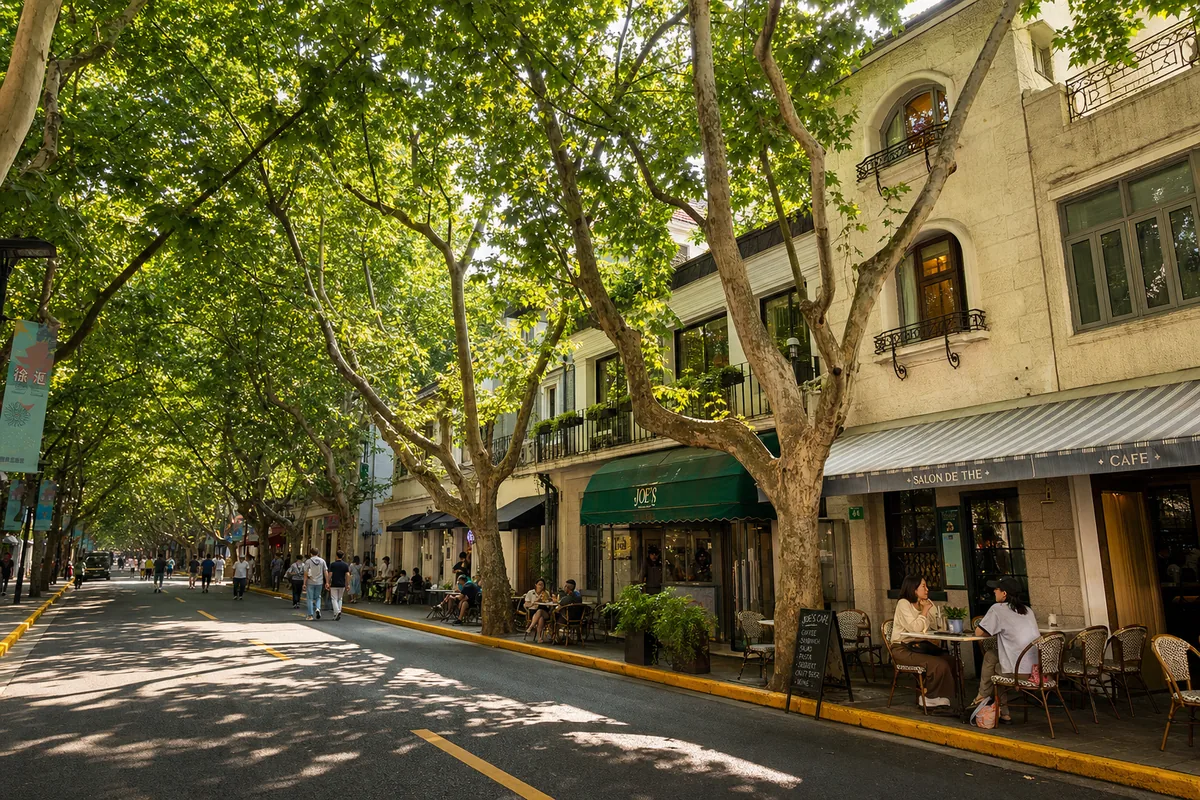
Spend the afternoon in the French Concession, the leafy former colonial district now full of cafés, boutiques, and tree-lined streets. Wander Tianzifang or Wukang Road, both good for walking with no fixed agenda. If you prefer skyline views, go up the Shanghai Tower in Pudong instead — at 632m it's one of the tallest buildings in the world, and on a clear day you can see the river curl through the whole city.
If your flight leaves the next morning, you're done. If you're flying out today, leave plenty of time — Pudong International (PVG) is far from the center, and the Maglev train from Longyang Road covers part of the distance at 300km/h. Hongqiao (SHA) is closer and handles mostly domestic flights.
Getting Between Cities
All three legs of this trip are best done by high-speed rail. The trains are fast, punctual, and far more comfortable than flying domestically once you factor in airport time. Here's how the connections look:
| Route | Distance | Train Time | 2nd Class Fare (approx.) |
|---|---|---|---|
| Beijing → Xi'an | ~1,100 km | 4.5–6 hrs | 515 RMB |
| Xi'an → Shanghai | ~1,500 km | 6–7 hrs | 670 RMB |
Book tickets one to two weeks ahead, especially around holidays. You'll need your passport to book, collect, and board. Arrive at the station 40–60 minutes early — security and ID checks take time, and stations are large. For a full walkthrough of the booking process, see our guide on how to book train tickets.
Budget Estimate
The figures below are per person for the full week, excluding international flights. China can be done cheaply or expensively; this assumes a comfortable mid-range trip.
| Category | Budget (RMB) | Mid-Range (RMB) |
|---|---|---|
| Accommodation (6 nights) | 1,200 | 3,000 |
| Intercity trains (2 legs) | 1,185 | 1,185 |
| Attractions & entry | 500 | 700 |
| Local transport (metro/taxi) | 300 | 500 |
| Food | 700 | 1,400 |
| Great Wall day trip | 200 | 500 |
| Total per person | ~4,085 | ~7,285 |
That's roughly 565–1,010 USD per person for the week, not counting flights. Street food, metro travel, and public museums keep costs low; private guides, taxis, and nicer hotels push them up. For a fuller breakdown, see our China travel budget guide.
Where to Stay
In Beijing, base yourself near Wangfujing or Qianmen for walking access to the main sights. In Xi'an, stay inside the City Wall, near the Bell Tower — everything is close and the atmosphere at night is good. In Shanghai, the area around People's Square or the former French Concession puts you on good metro lines and within reach of the Bund.
You'll find everything from hostels to international chains in all three cities. Booking ahead through a platform like Booking Com is worth it in peak season, and note that all hotels must register foreign guests with the police at check-in (住宿登记, zhùsù dēngjì) — this is routine and handled at the front desk. See our guide to booking hotels and registration rules for details.
How to Adjust This Itinerary
Seven days is tight but workable. A few common changes:
- More relaxed pace: drop the Xi'an leg and split the week between Beijing and Shanghai, using the extra days for day trips like the Summer Palace or a water town near Shanghai.
- Have more time? Extend to ten days and add a city — see our 10-day China trip plan, which builds on this same route.
- First trip and unsure? Our first-time China itinerary covers the same cities with more hand-holding on logistics.
- Flying instead of training: possible, but you lose the convenience and gain airport hassle. The train wins on every leg here.
Final Thoughts
This Beijing–Xi'an–Shanghai route remains the standard first China itinerary because it works: three distinct cities, two easy train rides, and a balance of ancient and modern that no other one-week loop matches. Book your trains and Forbidden City tickets in advance, set up mobile payments before you fly, and travel in spring or autumn if you can. Keep one day flexible for jet lag or weather. With those pieces in place, a week is genuinely enough to come away with a real sense of the country — and a clear idea of where you'd return.
Related Reading
- Beijing-Xian-Shanghai Classic Route
- High-Speed Train Complete Guide
- Beijing Complete Guide
- Xi'an Complete Guide
- Shanghai Complete Guide
Last updated: June 2026
Read in other languages
Last train times for 10 Chinese metro systems
Every line and station, checked by hand — the same data behind our offline route planner.
Get the WaysChina App
Offline guides, currency converter, essential phrases, and more — all in your pocket.

Related Articles
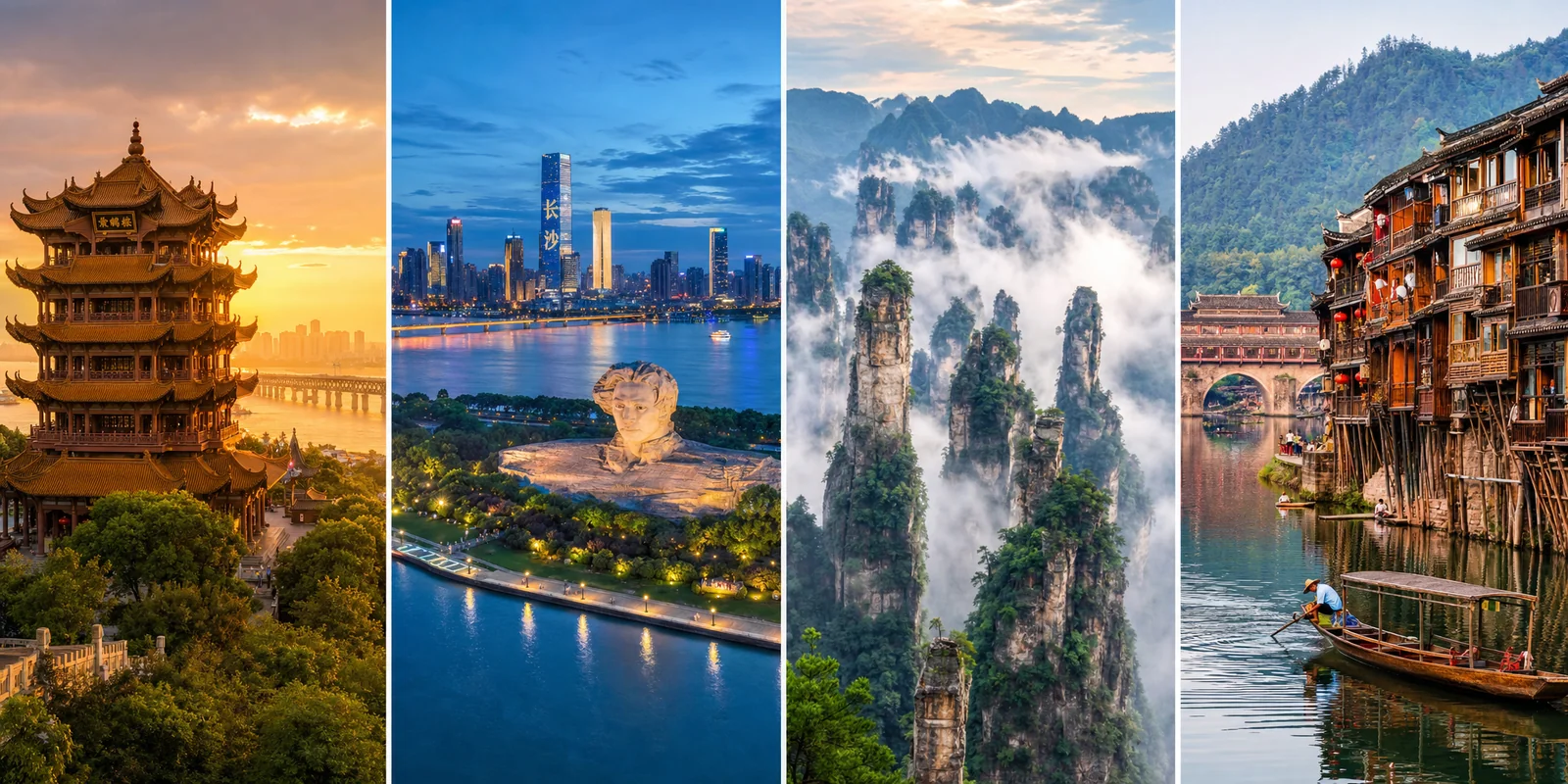
Central China Route: Wuhan-Changsha-Zhangjiajie
A practical 7-8 day Central China itinerary linking Wuhan, Changsha, Zhangjiajie, and Fenghuang by high-speed rail,...

Northeast China Route: Harbin-Changbaishan-Dalian
A 7-8 day route through Northeast China linking Harbin, Changbaishan, and Dalian, with separate winter and summer...

Jiangnan Water Towns Route: Shanghai, Suzhou, Wuzhen and Hangzhou in 5 to 7 Days
Shanghai → Suzhou → a night in Wuzhen or Xitang → Hangzhou: the order, nights per stop, which water town to pick,...
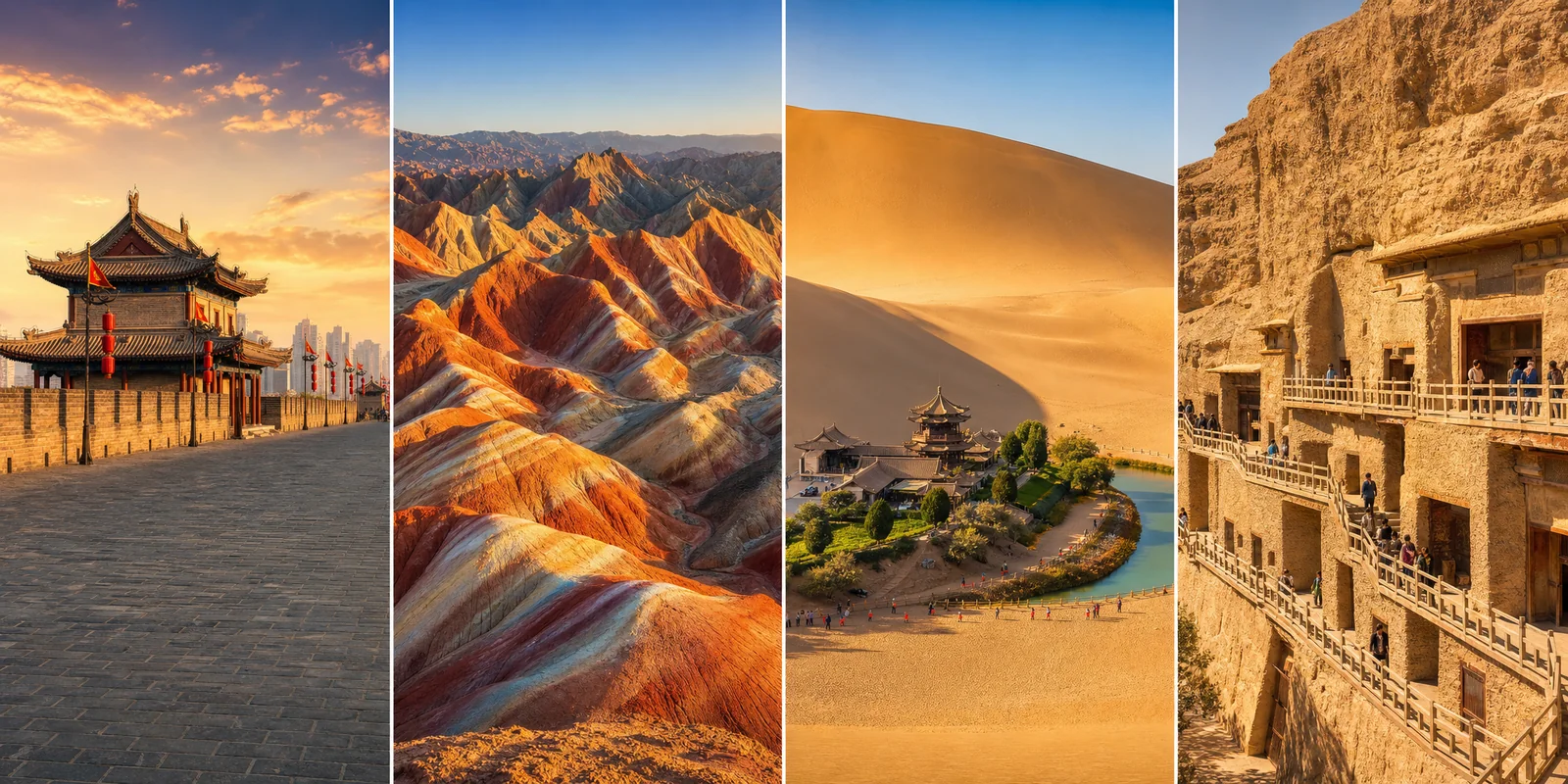
Silk Road Route: Xi'an to Dunhuang
A practical 7-8 day Silk Road itinerary from Xi'an through Lanzhou and Zhangye to Dunhuang, with day-by-day plans,...