
This article contains affiliate links. If you make a purchase through these links, we may earn a small commission at no extra cost to you. This helps support our work in creating free travel guides.
Fenghuang (凤凰, Fènghuáng, meaning "phoenix") is a riverside town in western Hunan that most foreign travelers reach as a side trip from Zhangjiajie. It's built along the Tuojiang River (沱江, Tuójiāng), with wooden stilt houses (吊脚楼, diàojiǎolóu) hanging over the water and stone bridges connecting both banks. The writer Shen Congwen (沈从文) set his novel Border Town here, and the place still trades heavily on that literary fame.
It's beautiful, it's touristy, and both of those things are true at once. This guide covers how to get there, what's actually worth your time, where to eat and sleep, and how to fit Fenghuang into a wider trip through central China. Plan on one full day and one night minimum; two nights if you want to slow down or explore the surrounding Miao villages.
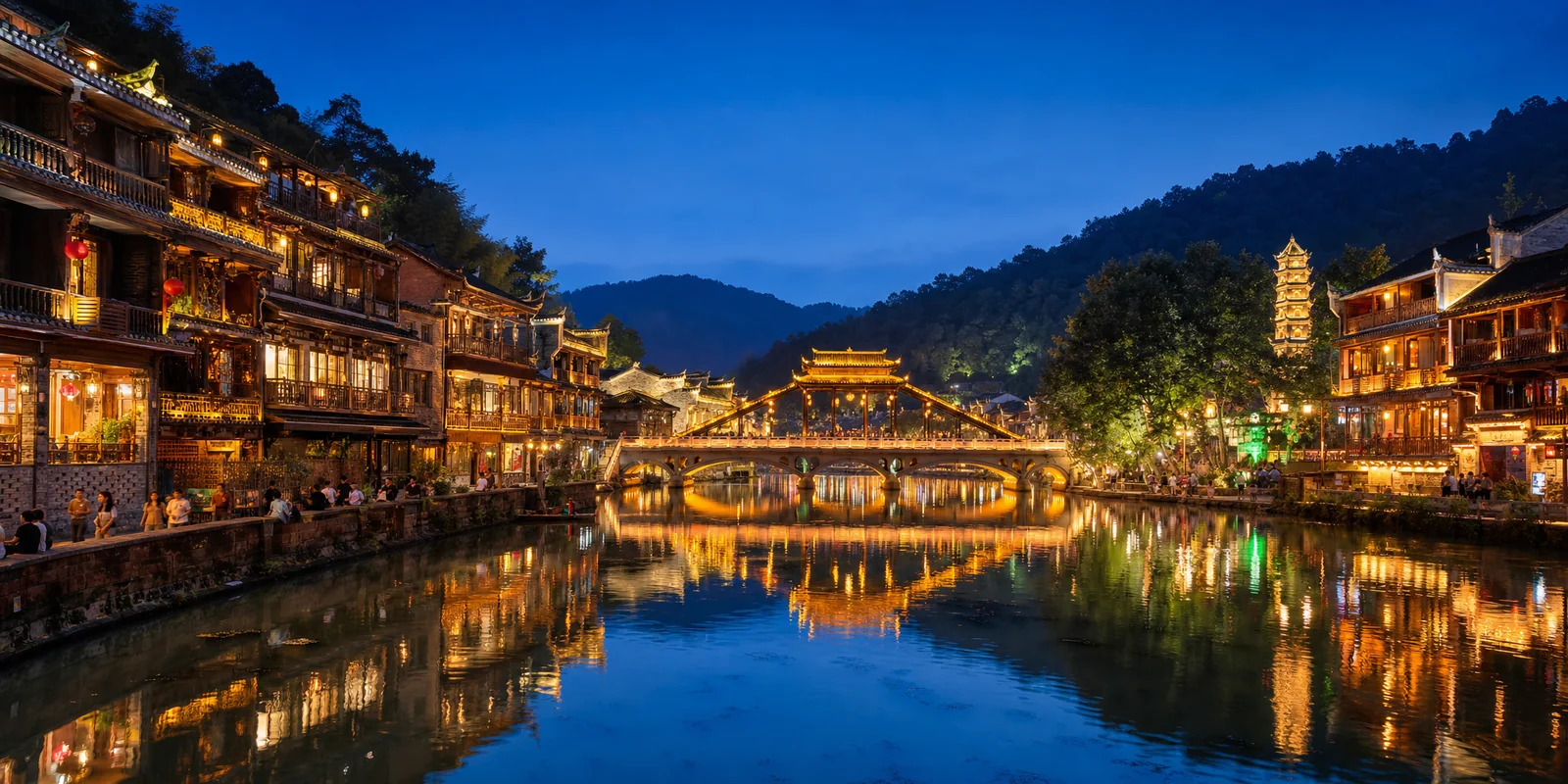
Why visit Fenghuang
The short version: it's one of China's best-preserved old towns, and the riverside setting is genuinely striking. The old town core dates back to the Qing dynasty, with sections going further. You walk on stone-paved lanes, cross the river on stepping stones, and watch the stilt houses light up after dark.
The honest caveat: Fenghuang is a major domestic tourist destination, so the core streets are packed with souvenir shops, bars, and tour groups, especially in summer and on Chinese public holidays. If you're picturing a sleepy, untouched village, adjust your expectations. What you get instead is a lively, atmospheric town that's at its best early in the morning and late at night, when the day-trippers thin out.
Spring (March to May) and autumn (September to November) are the best times to come. Summer is hot, humid, and crowded; winter is quiet but cold and damp, with morning mist over the river that some people love and others find gloomy.
How to get to Fenghuang
Fenghuang has no major airport or high-speed rail station in the town itself, so you'll arrive overland from a transport hub. The two most common gateways are Zhangjiajie and Changsha.
From Zhangjiajie
This is the most popular route, since most travelers pair the two. Direct tourist buses run from Zhangjiajie Central Bus Station to Fenghuang, taking roughly 3.5 to 4 hours. Buy tickets at the station or through your hotel; departures are frequent in the morning and taper off in the afternoon.
If you're coming from Zhangjiajie's high-speed rail station (Zhangjiajie West), there's also the option of taking a train to Fenghuang Ancient City Station (凤凰古城站), which sits about 30 minutes outside the town by bus or taxi. Check the latest schedules before you go, as services change.
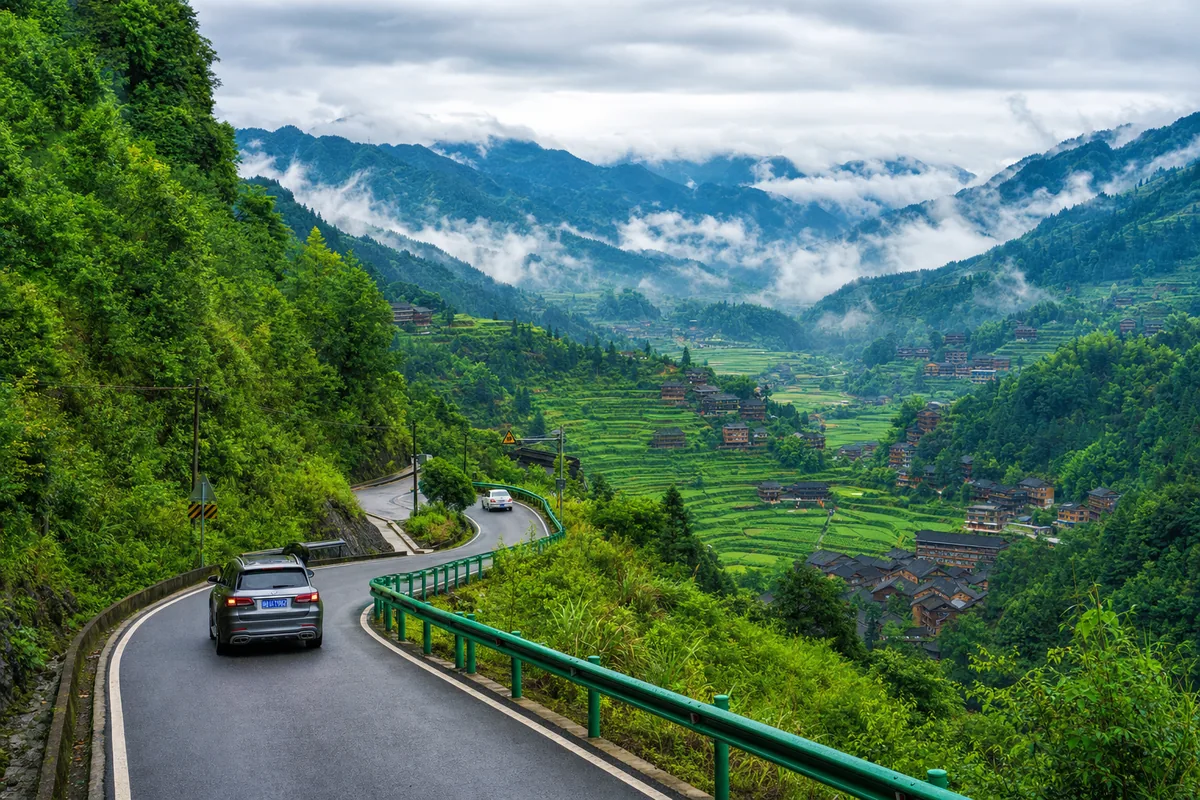
From Changsha
From Hunan's capital, the fastest way is to take a high-speed train to Fenghuang Ancient City Station, which takes around 3 to 3.5 hours. From the station, a shuttle bus or taxi gets you into the old town in about 30 to 40 minutes. Alternatively, direct long-distance buses run from Changsha South Bus Station and take roughly 4.5 to 5 hours.
For booking trains, see our guide to booking train tickets. The official platform is China Railway 12306, and you can also book through English-language travel apps.
Entering the old town
Walking the streets of Fenghuang is free. What you pay for are the individual attractions: a combined ticket covers a set of historic buildings and sites (including Shen Congwen's former residence and several old halls), and the night boat ride on the Tuojiang River is ticketed separately. Many travelers skip the combined ticket entirely and just wander, since the town's atmosphere is the main draw. Prices change, so check current rates when you arrive.
The core sights
Tuojiang River
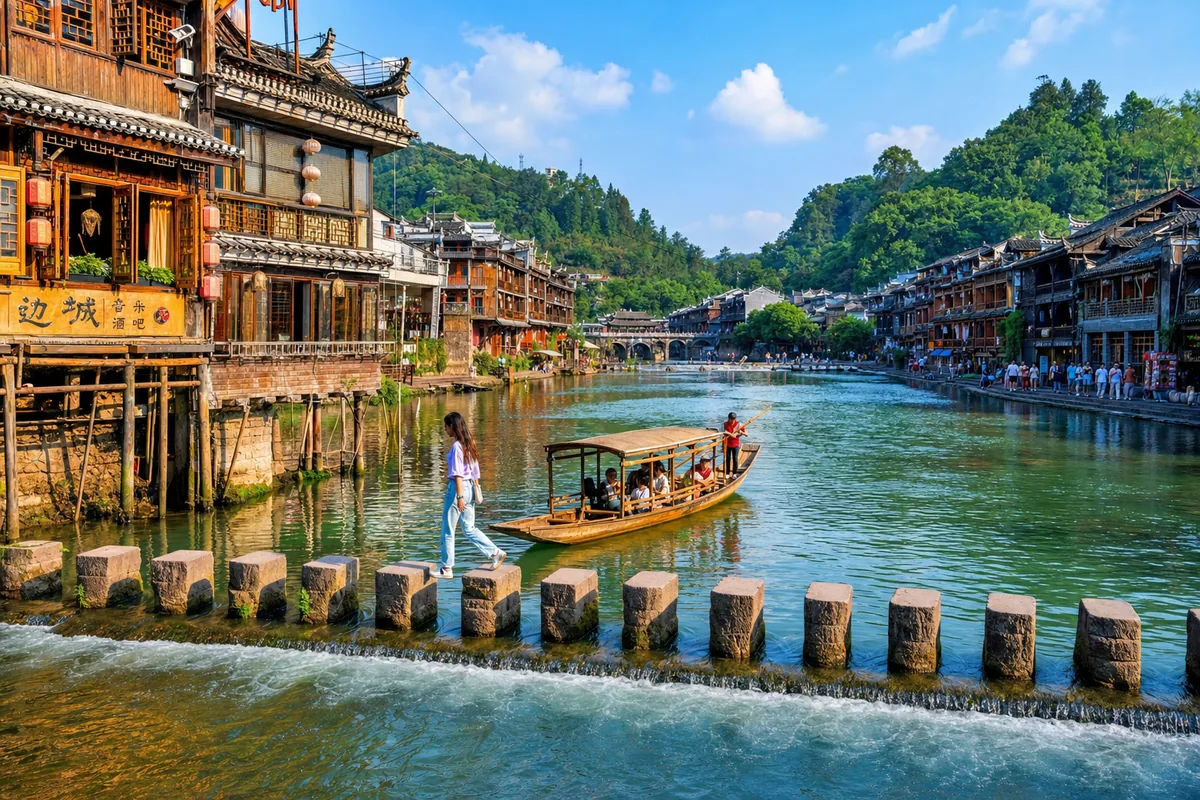
The Tuojiang is the heart of Fenghuang. The river runs straight through the old town, lined on both sides by the stilt houses the town is famous for. You can cross on a row of stone stepping stones (跳岩, tiàoyán) set just above the waterline, walk the narrow log bridge beside them, or take a wooden boat poled along the water.
Come at two times of day for the best of it. Early morning, around sunrise, locals wash clothes at the riverside steps and mist hangs over the water before the crowds arrive. After dark, the stilt houses and bridges light up and the whole riverfront reflects in the water. The night view is the single most photographed thing in Fenghuang, and for good reason.
Rainbow Bridge
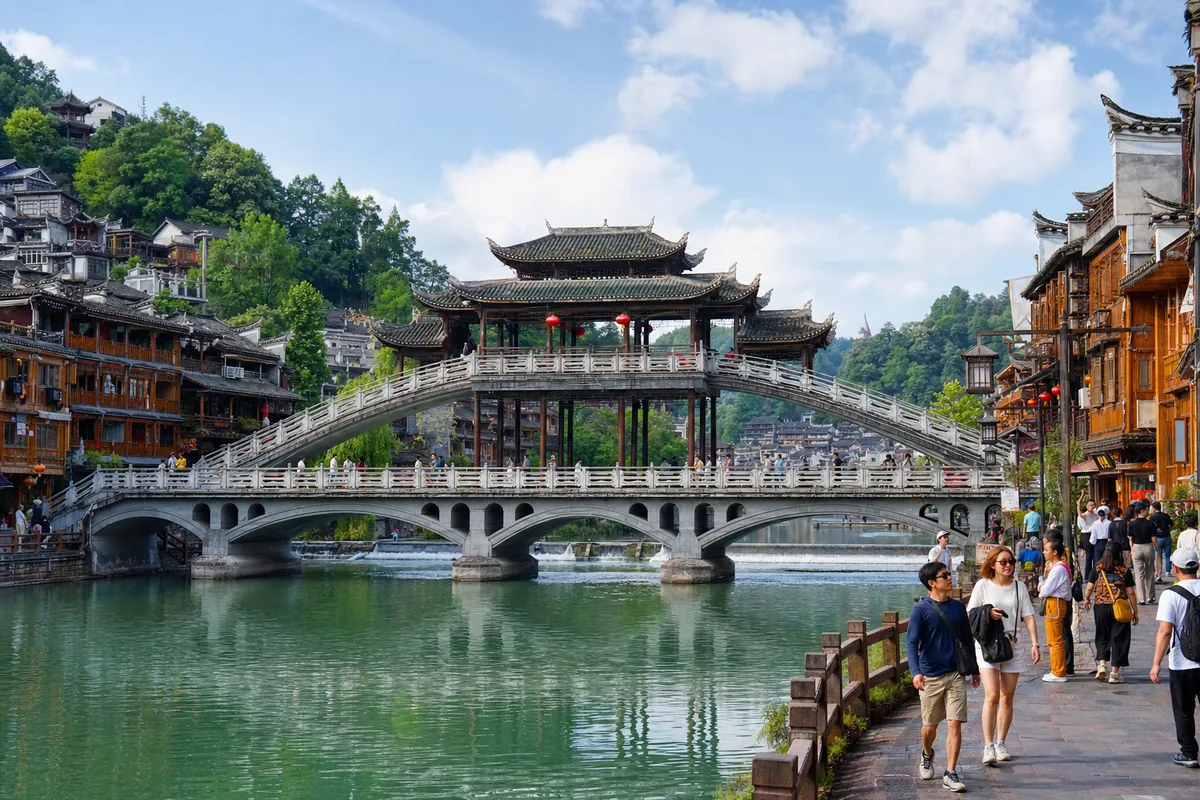
Rainbow Bridge (虹桥, Hóngqiáo) is the town's signature covered bridge, spanning the Tuojiang in the middle of the old town. The original dates back to the Ming dynasty. Today the lower level is a walkway and the upper level houses a small exhibition hall and viewing gallery. It's worth crossing for the views up and down the river, and it's a useful landmark for orienting yourself, since the town's lanes can be confusing.
At night the bridge is lit and becomes one of the prettiest spots along the river. It also gets crowded, so if you want photos without a wall of people, go early.
North Gate Tower
The North Gate Tower (北门城楼, Běimén Chénglóu) is part of the old city wall, built during the Ming dynasty and rebuilt in the Qing. The stone gate and tower mark the original northern entrance to the town and sit right on the riverbank. You can climb up for a view over the rooftops and the water. Just outside the gate is one of the main stepping-stone crossings, so this corner gets busy, but the wall itself gives you a real sense of the town's history as a frontier garrison rather than just a pretty riverside village.
Miao and Tujia villages
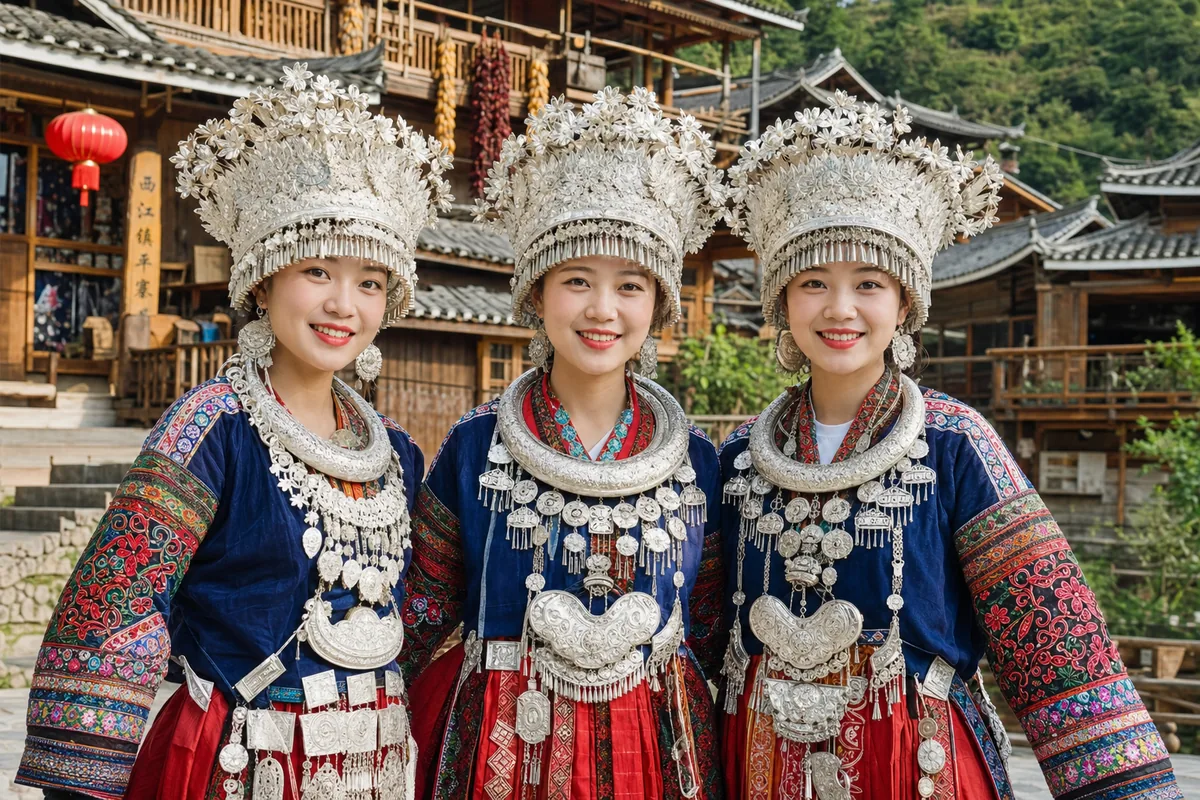
Western Hunan is home to the Miao (苗族, Miáozú) and Tujia (土家族, Tǔjiāzú) ethnic groups, and their culture is a big part of what makes the region distinct. Within Fenghuang you'll see Miao silver jewelry, embroidery, and batik for sale, plus performers in traditional dress.
For something deeper than the in-town shopping, head to one of the Miao villages outside Fenghuang. Shanjiang Miao Village (山江苗寨) and Laodong Miao Village are the most visited, roughly 30 to 45 minutes from town. These offer guided experiences with traditional performances, long-table banquets (长桌宴), and a look at Miao architecture and customs. They are organized for visitors, so they're not undiscovered, but they give real context to the silver and embroidery you see everywhere in town.
Half-day tours to the Miao villages are easy to arrange. You can book a guided Miao village experience through guided cultural experiences through platforms like Klook, which handles transport and entry, or arrange one through your guesthouse once you arrive.
What to eat
Western Hunan food is spicy, sour, and built around the river and the hills. It's distinct from the better-known Changsha-style Hunan cuisine, with more pickling, smoking, and wild ingredients. A few things to look for:
- Sour soup fish (酸汤鱼, suāntāng yú) — fresh river fish in a tangy, mildly spicy broth. A regional staple shared with neighboring Guizhou.
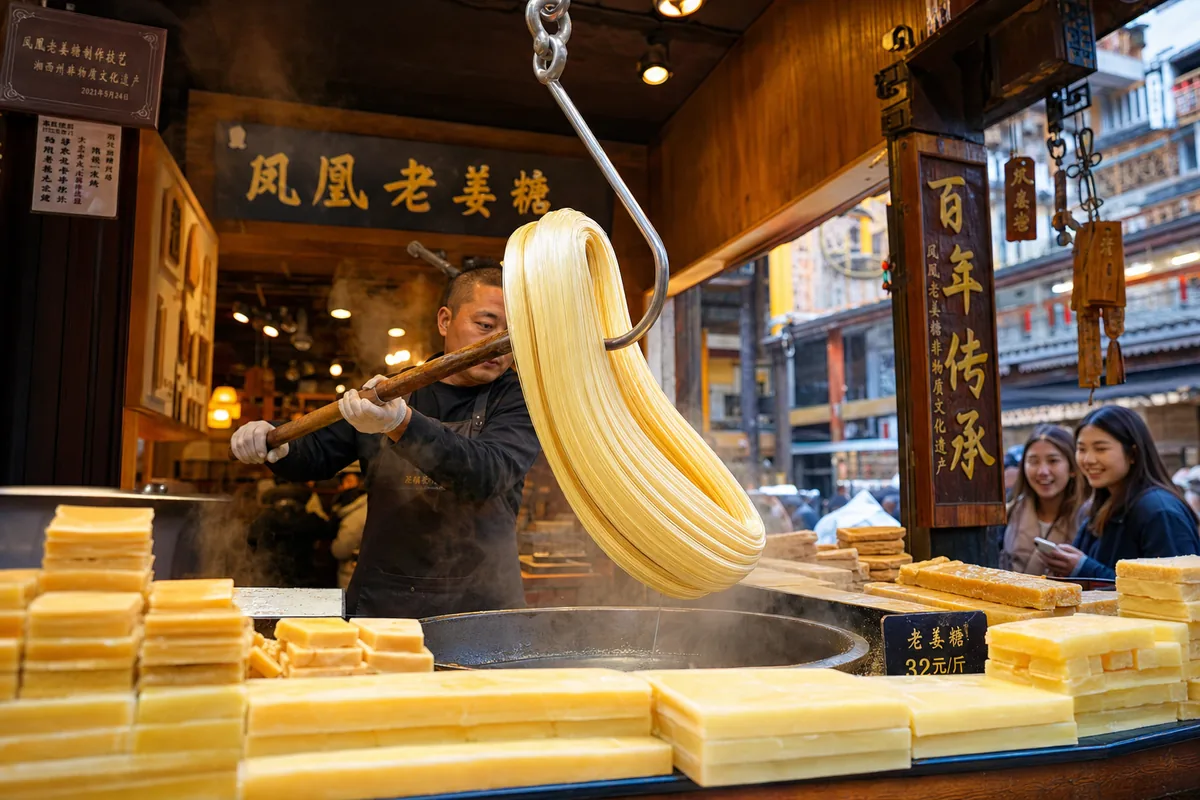
- Blood-curd rice cake / ginger candy (姜糖, jiāngtáng) — Fenghuang's most famous snack is hand-pulled ginger candy. You'll see shops pulling it on hooks all over the old town; samples are usually free.
- Smoked pork (腊肉, làròu) — cured and smoked over a wood fire, a Tujia and Miao mountain specialty, often stir-fried with chili and garlic shoots.
- Sour radish and pickled vegetables — sold from street stalls, cheap and sharp.
- Rice tofu (米豆腐, mǐdòufu) — a soft, savory snack served cold with chili and vinegar, made famous by a film set in the region.
Restaurants right on the river charge a premium for the view. Walk a couple of lanes back from the water and you'll find better prices and, often, better food. Most places have picture menus, and almost everywhere takes mobile payment. If you haven't set up Alipay or WeChat Pay yet, see our guide to Chinese payment systems before you travel.
Where to stay
The big decision in Fenghuang is whether to stay inside the old town or just outside it.
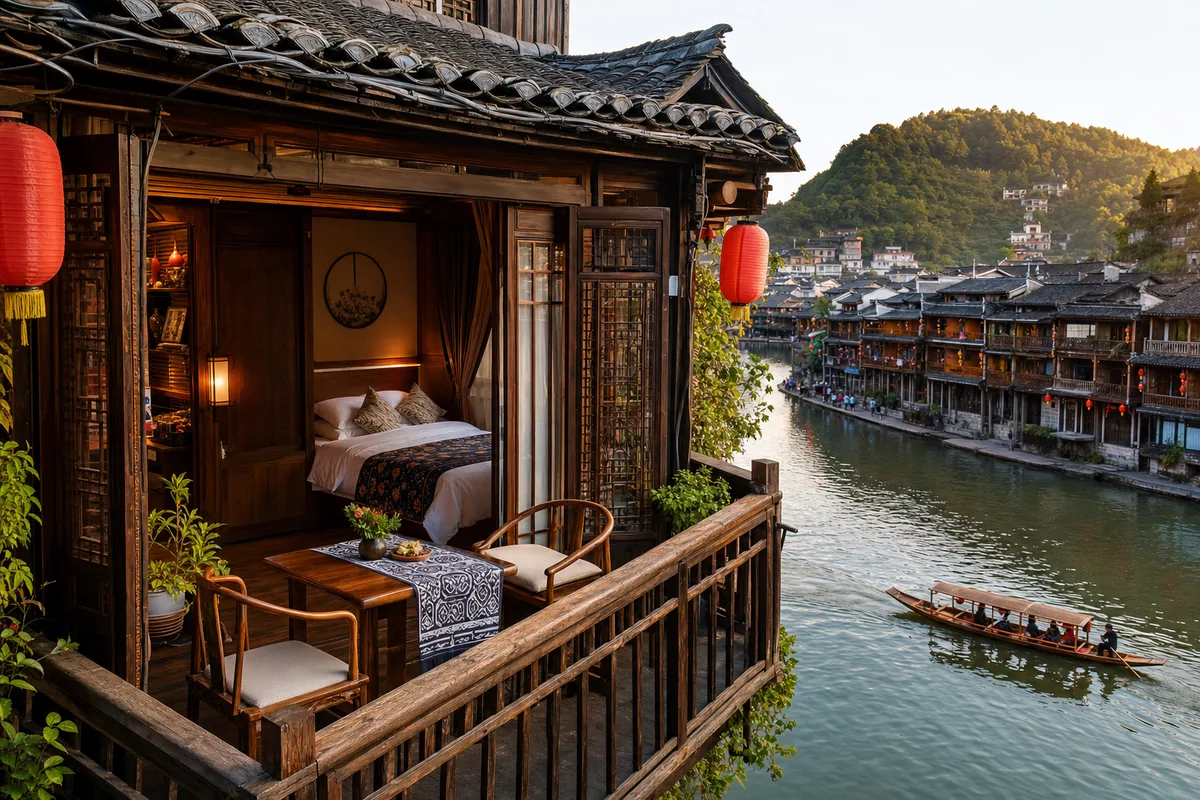
Riverside guesthouses (客栈, kèzhàn) inside the old town put you steps from the water, and a room with a Tuojiang view is part of the experience. The trade-off is noise: the bar street along the river runs loud well past midnight, so a riverside room can mean a sleepless night. If you're a light sleeper, ask for a room set back from the water, or look at quieter lanes a few minutes' walk from the river.
Staying just outside the old town is cheaper and quieter, and the core is small enough to walk into in 10 to 15 minutes. You'll find a range of riverside guesthouses and small hotels on available on Booking.com and Agoda, where you can filter by location and read recent reviews. Book ahead for spring and autumn weekends and Chinese public holidays, when the town fills up fast.
Suggested itinerary
One night is enough to see the highlights. Two nights lets you add a Miao village and slow down.
One day, one night
- Afternoon: Arrive, check in, and walk the old town lanes. Visit Rainbow Bridge and the North Gate Tower, cross the river on the stepping stones.
- Evening: Dinner a couple of lanes back from the water, then walk the riverfront after dark for the lit-up night view. Optionally take the night boat ride.
- Next morning: Get up early for the river at dawn before the crowds, then move on.
Two days, two nights
Add a half-day trip to Shanjiang Miao Village for the culture, and spend the second evening exploring the quieter eastern stretches of the riverfront and the smaller lanes away from the bar street.
Combining Fenghuang with the rest of central China
Most travelers don't visit Fenghuang on its own. It pairs naturally with the dramatic sandstone pillars of Zhangjiajie and the food and nightlife of Changsha. A common loop runs Changsha → Zhangjiajie → Fenghuang → back to Changsha, taking about five to seven days. See our Zhangjiajie guide and Changsha guide for the other stops, or our central China route for a full multi-city plan.
For mapping out which days go where and getting around the bigger cities on either end, the WaysChina app has offline metro maps and a built-in trip planner that's handy for stringing the route together.
Practical notes
- Cash and payment: Mobile payment is accepted almost everywhere, including small street vendors. Carry a little cash as backup.
- Crowds: Avoid Chinese public holidays (especially the October Golden Week and Labour Day in early May) unless you don't mind serious crowds and higher prices.
- Footwear: The old town is all stone paving and stepping stones, often slick after rain. Wear shoes with grip.
- Weather: Western Hunan is humid and rains often. Pack a light rain layer even in dry seasons.
The bottom line
Fenghuang delivers exactly what its photos promise: stilt houses over a river, stone bridges, and a riverfront that glows at night. It's also undeniably commercial, so the trick is timing. See the river at dawn and after dark, eat a lane or two back from the water, and consider basing yourself slightly outside the busiest stretch. Pair it with Zhangjiajie and Changsha and you've got one of the most rewarding loops in central China. One night covers the essentials; give it two if you want to reach the Miao villages and let the town breathe a little.
Last updated: June 2026
Read in other languages
Last train times for 10 Chinese metro systems
Every line and station, checked by hand — the same data behind our offline route planner.
Get the WaysChina App
Offline guides, currency converter, essential phrases, and more — all in your pocket.

Related Articles
Changsha Complete Guide
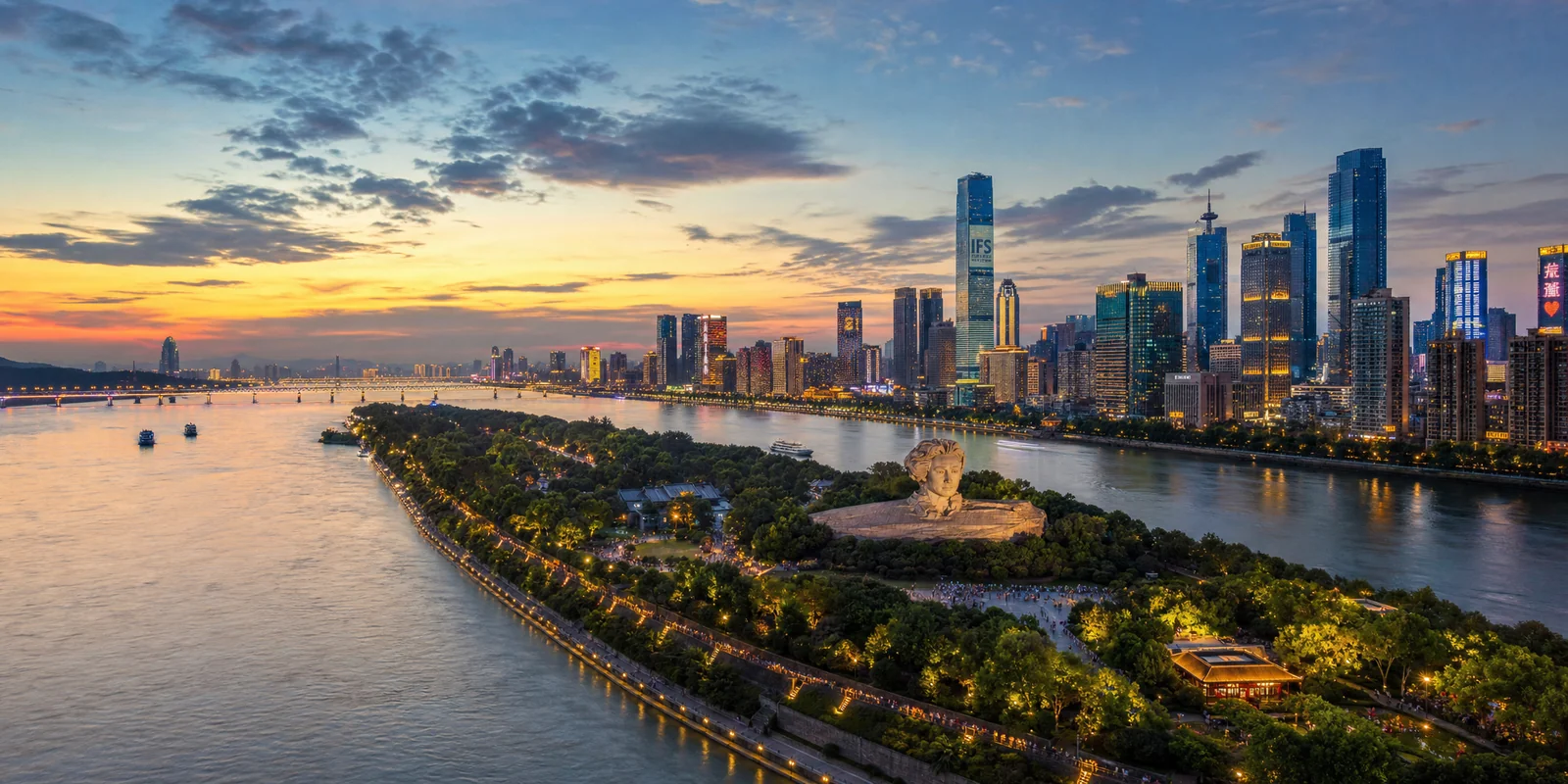
Changsha is China's capital of spicy food and late-night street life. Here's how to eat, explore Orange Island and...
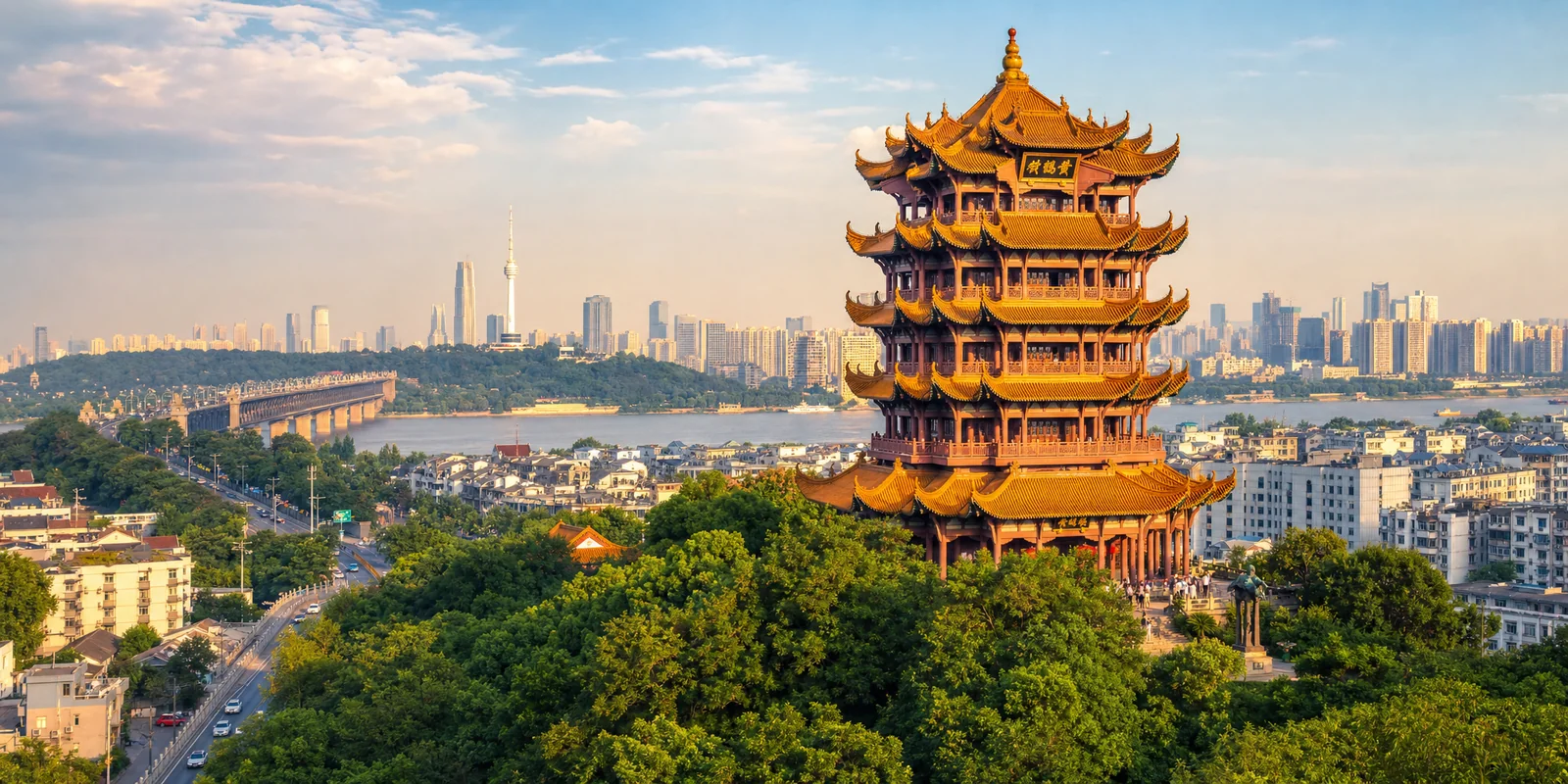
Wuhan Complete Guide
Everything you need to plan a 2-3 day trip to Wuhan: the Yellow Crane Tower, East Lake, Hubei Provincial Museum,...
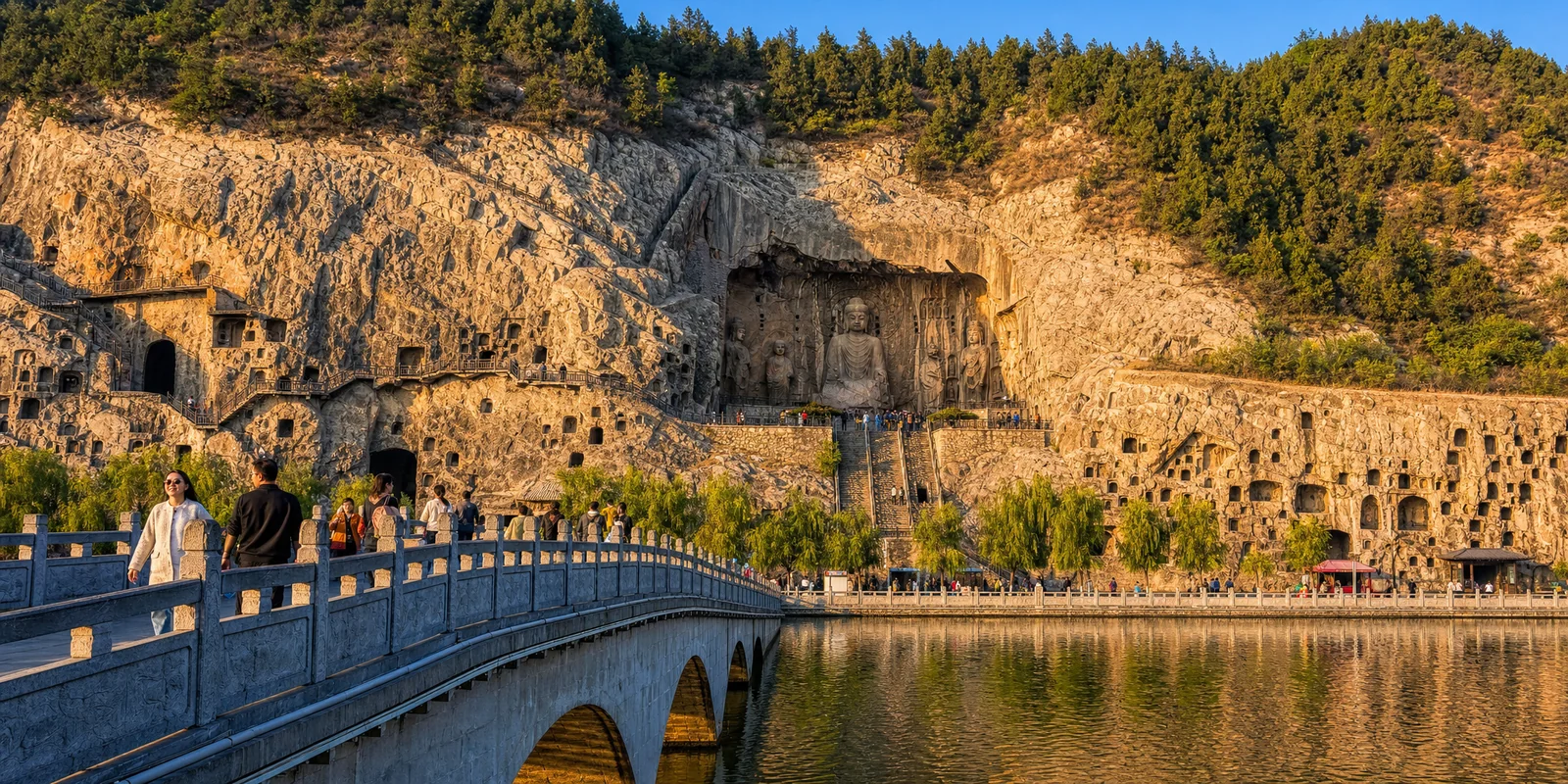
Luoyang Ancient Capital Guide
Luoyang served as capital to thirteen Chinese dynasties and holds the UNESCO-listed Longmen Grottoes. Here's how to...
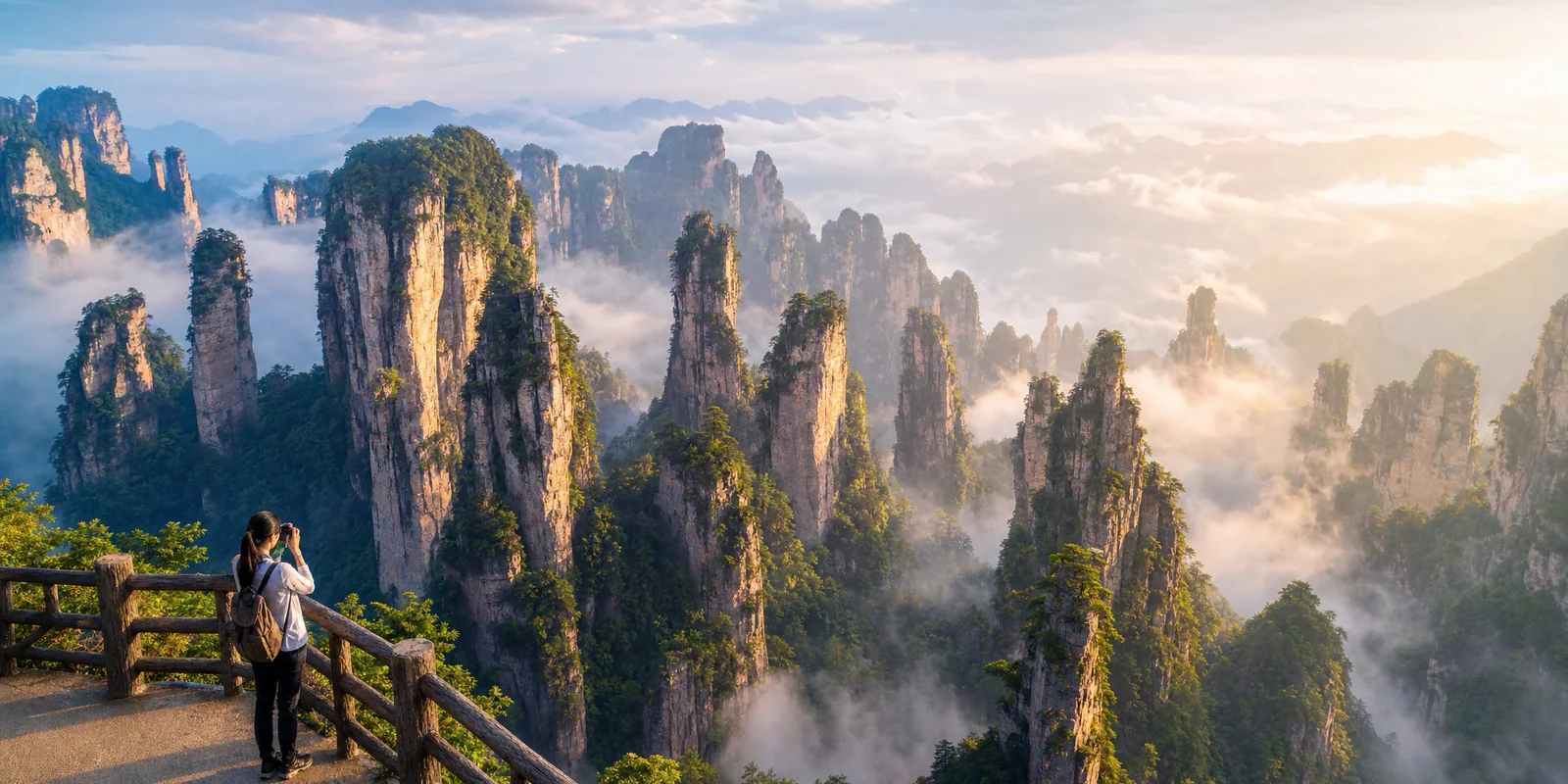
Zhangjiajie Travel Guide
The sandstone pillars that inspired Avatar's floating mountains are real, and they're in Zhangjiajie. Here's how to...