
This article contains affiliate links. If you make a purchase through these links, we may earn a small commission at no extra cost to you. This helps support our work in creating free travel guides.
"Chinese food" as a single category barely exists once you're actually in China. What you eat in Chengdu has almost nothing in common with what you eat in Guangzhou, and a Beijing breakfast looks nothing like a Shanghai one. The country's cooking is usually grouped into the Eight Great Cuisines (八大菜系, bā dà cài xì) — eight regional traditions defined by local ingredients, climate, and centuries of habit.
This guide walks through those eight cuisines plus a few regional styles worth knowing, what each one tastes like, and the specific dishes to order when you sit down. If you only remember a handful of names, the spice-heavy Sichuan and the delicate Cantonese are the two extremes most travelers encounter first.
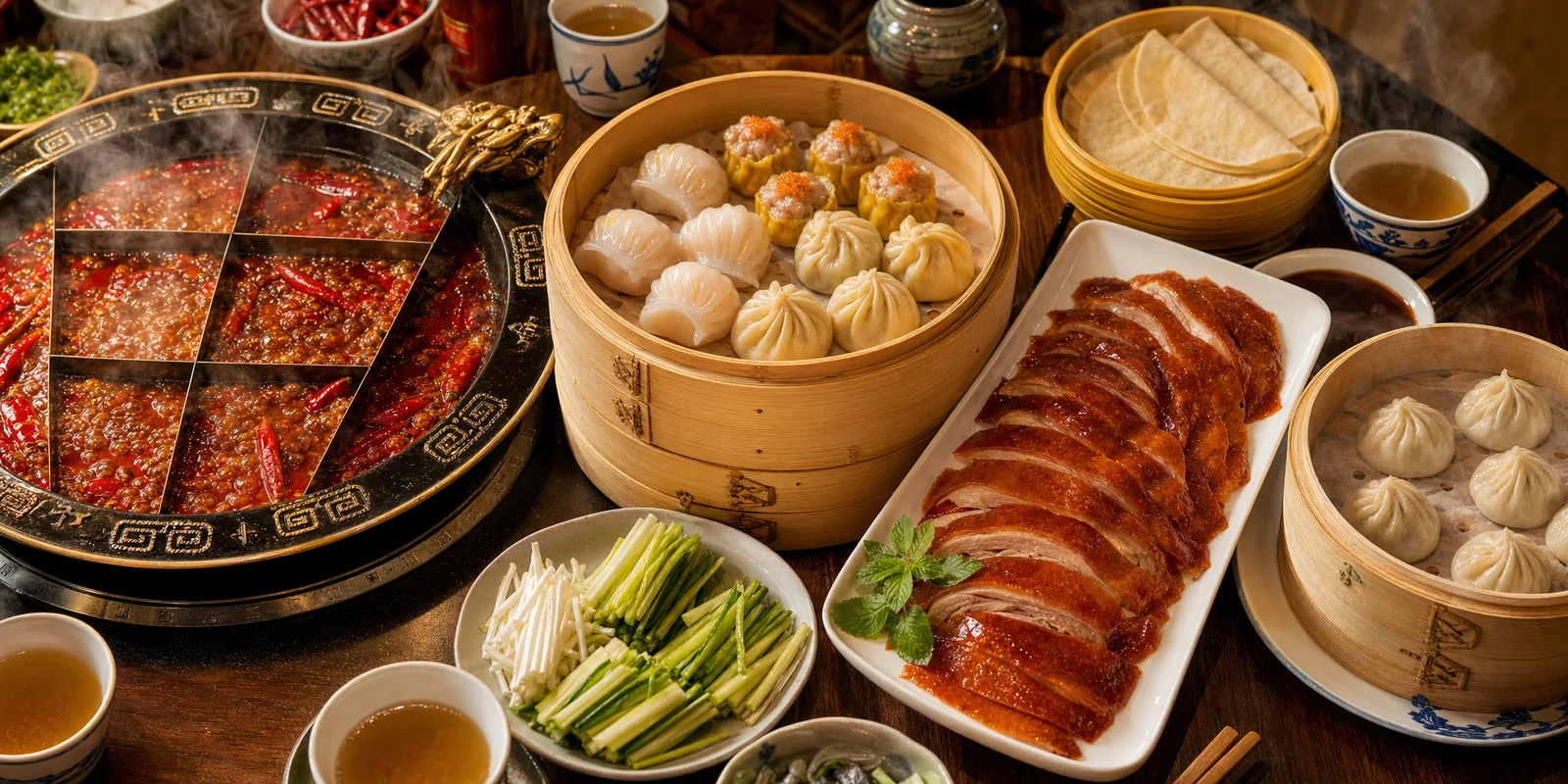
How Chinese Cuisine Is Organized
The "Eight Great Cuisines" framework dates back to the Qing dynasty and reflects geography more than anything else. Coastal regions lean on seafood and lighter cooking; inland and mountainous areas developed bolder, spicier, more preserved flavors because fresh ingredients were harder to keep. Roughly speaking:
- The north eats wheat — noodles, dumplings, steamed buns — rather than rice, and flavors tend toward salty and hearty.
- The south eats rice, with fresher, sometimes sweeter cooking and a lot of seafood.
- The west and southwest are the spice capitals, built on chili and the tongue-numbing Sichuan peppercorn.
- The east favors sweeter, soy-forward braises and refined presentation.
The eight named cuisines are Sichuan (川菜), Cantonese (粤菜), Shandong (鲁菜), Jiangsu (苏菜), Zhejiang (浙菜), Fujian (闽菜), Hunan (湘菜), and Anhui (徽菜). Below we cover each, then the regional styles — like Beijing and the northwest — that don't fit neatly into the eight but matter a lot for travelers.
Sichuan Cuisine (川菜)
Sichuan (Szechuan) is the cuisine most foreigners picture when they think "spicy Chinese food," and the reputation is earned. The signature sensation is málà (麻辣) — a combination of má (the numbing tingle from Sichuan peppercorns) and là (chili heat). It's not just hot; it makes your lips and tongue buzz.
What to order:
- Mapo tofu (麻婆豆腐, mápó dòufu) — soft tofu in a spicy, numbing sauce with minced meat. The benchmark dish.
- Kung Pao chicken (宫保鸡丁, gōngbǎo jīdīng) — diced chicken, peanuts, dried chilies. The real version is far better than the Western takeout one.
- Hot pot (火锅, huǒguō) — Chongqing and Chengdu are the spiritual home. You cook raw ingredients in a bubbling, oily, chili-packed broth at your table.
- Dan dan noodles (担担面, dàndàn miàn) — noodles in a spicy sesame-and-chili sauce.
Cantonese Cuisine (粤菜)
Cantonese cooking, from Guangdong province and Hong Kong, is the polar opposite of Sichuan. The philosophy is to preserve the natural flavor of fresh ingredients with minimal interference — light seasoning, careful steaming, quick stir-fries. This is also the cuisine that traveled the world, so it may feel familiar, but the food in Guangzhou is fresher and more varied than overseas Chinatowns.
What to order:
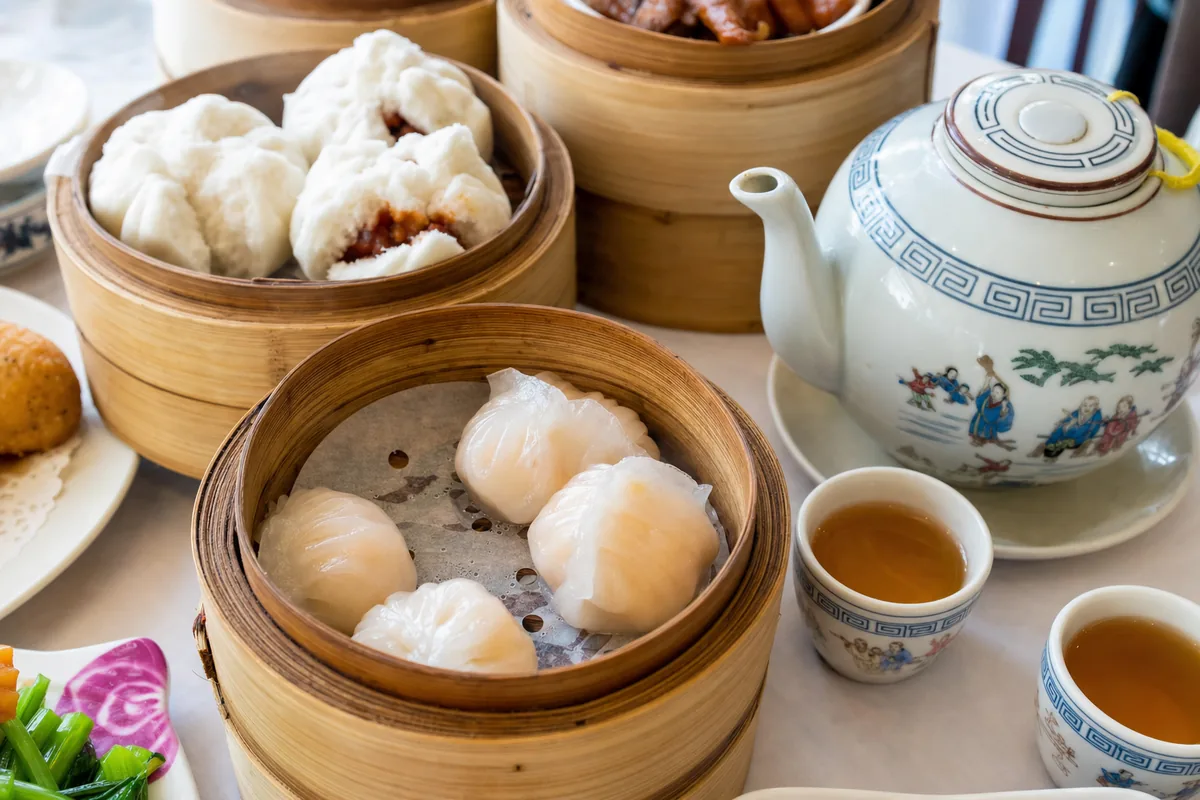
- Dim sum (点心, diǎnxīn) — small steamed and fried dishes served with tea, traditionally for breakfast or lunch. Think shrimp dumplings (har gow), pork buns (char siu bao), and egg tarts. The whole experience is called yum cha (饮茶, drinking tea).
- Char siu (叉烧, chāshāo) — sweet-savory barbecued pork.
- Steamed fish with ginger and scallion — the test of any Cantonese kitchen.
- Wonton noodle soup and clay pot rice dishes.
Shandong Cuisine (鲁菜)
Shandong cuisine from the northeast coast is the oldest of the eight and heavily influenced imperial and northern Chinese cooking. It's savory, relies on quick high-heat techniques, and uses a lot of seafood, vinegar, and green onion. You'll taste its influence throughout northern China even if you never see "Shandong" on a menu.
What to order:
- Sweet and sour carp (糖醋鲤鱼, tángcù lǐyú) — a classic from the Yellow River region.
- Braised sea cucumber with scallions — a higher-end specialty.
- Dezhou braised chicken — a famous savory braised dish.
Jiangsu Cuisine (苏菜)
Jiangsu cuisine, centered on cities like Nanjing, Suzhou, and Yangzhou, is known for precise knife work, patient braising, and a balance that leans slightly sweet. Presentation matters here — this was the food of scholars and the wealthy Jiangnan region. It's subtle rather than dramatic.
What to order:
- Lion's head meatballs (狮子头, shīzi tóu) — large, tender pork meatballs braised slowly.
- Yangzhou fried rice (扬州炒饭, yángzhōu chǎofàn) — the original, far more refined than the takeout version.
- Squirrel-shaped mandarin fish — a showpiece sweet-and-sour dish.
- Salted duck (盐水鸭, yánshuǐ yā) — a Nanjing specialty.
Zhejiang Cuisine (浙菜)
From Hangzhou, Ningbo, and Shaoxing, Zhejiang cuisine is fresh, mellow, and not greasy. It makes heavy use of freshwater fish, bamboo shoots, and Shaoxing rice wine. Hangzhou, in particular, has a refined, slightly sweet local style tied to West Lake.
What to order:
- West Lake vinegar fish (西湖醋鱼, xīhú cùyú) — freshwater fish in a sweet-sour sauce.
- Dongpo pork (东坡肉, dōngpō ròu) — braised pork belly, glossy and melting, named after the poet Su Dongpo.
- Longjing shrimp — stir-fried with the local Dragon Well green tea leaves.
Fujian Cuisine (闽菜)
Fujian cuisine from the southeast coast emphasizes seafood, soups, and umami. It's known for light, fresh-savory flavors and the use of fermented ingredients and broths. The region's coastal location means an enormous variety of shellfish and fish.
What to order:
- Buddha Jumps Over the Wall (佛跳墙, fótiàoqiáng) — an elaborate, expensive soup with many premium ingredients. The name comes from the legend that the smell was so good a monk leapt over a wall to taste it.
- Oyster omelet — a popular street and night-market dish, also common in nearby Taiwan.
- Fish ball soup — springy, fresh, often stuffed.
Hunan Cuisine (湘菜)
If Sichuan is numbing-spicy, Hunan (Xiang cuisine) is straight fiery. It's arguably the spiciest of the eight, but it's a dry, sour-hot heat from fresh and pickled chilies rather than the numbing peppercorn. Lots of smoking, curing, and stir-frying.
What to order:
- Chairman Mao's red braised pork (毛氏红烧肉, máoshì hóngshāo ròu) — caramelized pork belly, a Hunan classic.
- Steamed fish head with chopped chilies (剁椒鱼头, duòjiāo yútóu) — a fish head topped with a mound of pickled red chilies.
- Smoked pork with dried vegetables — deeply savory and smoky.
Anhui Cuisine (徽菜)
The least internationally known of the eight, Anhui cuisine comes from the mountainous Huizhou region. It relies on wild herbs, mushrooms, and freshwater ingredients, with techniques like braising and stewing. Flavors are earthy and sometimes deliberately funky.
What to order:
- Stinky mandarin fish (臭鳜鱼, chòu guìyú) — lightly fermented before cooking; smells strong, tastes savory and tender. More approachable than the name suggests.
- Bamboo shoots braised with ham.
- Huangshan stewed pigeon — a nourishing mountain dish.
Beyond the Eight: Regional Styles Worth Knowing
Plenty of food travelers love isn't part of the official eight. These regional styles are everywhere and worth seeking out.
Beijing & the North
Northern food is wheat-based and hearty. The headline dish is Peking duck (北京烤鸭, běijīng kǎoyā) — roasted until the skin is crisp, sliced tableside, and wrapped in thin pancakes with scallion, cucumber, and sweet bean sauce. Also try hand-pulled noodles, jiaozi (饺子, boiled dumplings), and the breakfast staple jianbing (煎饼), a savory crepe.
Northwest & Xi'an
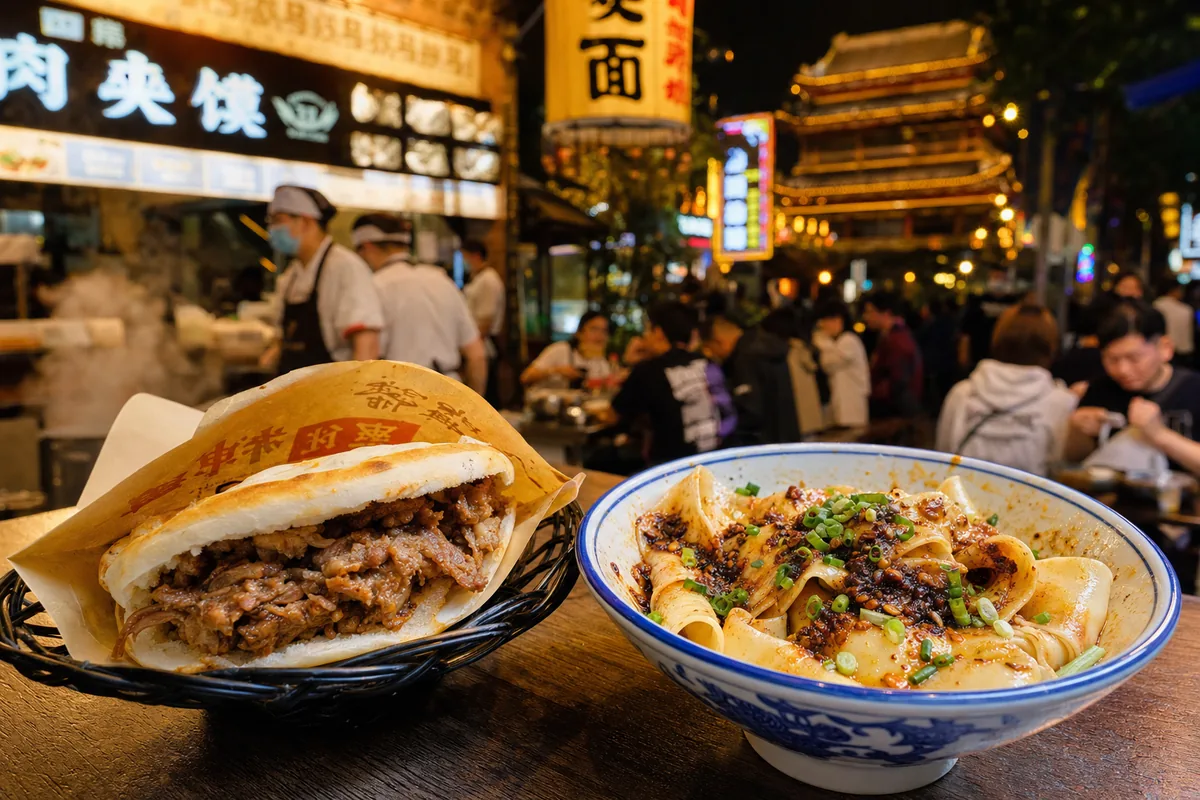
The northwest reflects Silk Road and Muslim influences. Lamb features heavily, along with cumin, hand-pulled lamian noodles, and bread. In Xi'an, look for roujiamo (肉夹馍) — often called a "Chinese hamburger," stewed meat stuffed in flatbread — and biangbiang noodles, wide hand-ripped noodles. Lanzhou is famous nationwide for its beef noodle soup.
Yunnan & the Southwest Borders
Yunnan's cuisine is shaped by its biodiversity and ethnic-minority cultures. Expect wild mushrooms, flowers, fresh herbs, and Southeast Asian influences. Crossing-the-bridge rice noodles (过桥米线, guòqiáo mǐxiàn) — a build-your-own noodle soup — is the signature dish.
Shanghai & Jiangnan
Shanghai cooking (本帮菜, běnbāng cài) is sweet, oily, and soy-rich. Don't miss xiaolongbao (小笼包) — soup-filled steamed dumplings — and shengjianbao (生煎包), their pan-fried cousins with crispy bottoms.
Quick Comparison
| Cuisine | Region | Flavor Profile | Try First |
|---|---|---|---|
| Sichuan | Southwest (Chengdu, Chongqing) | Numbing & spicy (málà) | Mapo tofu, hot pot |
| Cantonese | South (Guangdong, HK) | Light, fresh, delicate | Dim sum, steamed fish |
| Shandong | North coast | Savory, briny | Sweet & sour carp |
| Jiangsu | East (Nanjing, Suzhou) | Refined, slightly sweet | Lion's head meatballs |
| Zhejiang | East (Hangzhou) | Mellow, fresh | Dongpo pork |
| Fujian | Southeast coast | Umami, soup-heavy | Oyster omelet |
| Hunan | South-central | Dry, fiery hot | Chopped-chili fish head |
| Anhui | East (Huizhou) | Earthy, sometimes funky | Stinky mandarin fish |
Practical Tips for Eating Across China
- Sharing is the norm. Dishes come to the center of the table and everyone shares. Order one dish per person plus a couple extra, and a staple like rice or noodles.
- Spice levels vary wildly. What's labeled mild in Hunan or Sichuan may still be hot. Always confirm if you're sensitive.
- Regional food travels. You can find Sichuan, Cantonese, and Xinjiang restaurants in nearly every big city, so you don't have to visit each region to taste its food.
- Menus often have pictures. Many restaurants have photo menus, and translation apps handle the rest. For more on this, see our guide below.
The Bottom Line
There's no single "Chinese food" to master — there are at least eight, and many more if you count regional styles. The easiest way to navigate it as a traveler: know that Sichuan and Hunan bring the heat, Cantonese and Zhejiang keep it light and fresh, and the north runs on wheat and roasted meats. When you arrive in a new city, ask what the local specialty is and order that first. You'll eat better and cheaper than chasing dishes you already know from home.
For your next steps, check the regional and city food guides below to plan exactly what to eat where you're headed, and read up on how to order when you don't speak Chinese.
Last updated: June 2026
Read in other languages
Last train times for 10 Chinese metro systems
Every line and station, checked by hand — the same data behind our offline route planner.
Get the WaysChina App
Offline guides, currency converter, essential phrases, and more — all in your pocket.

Related Articles
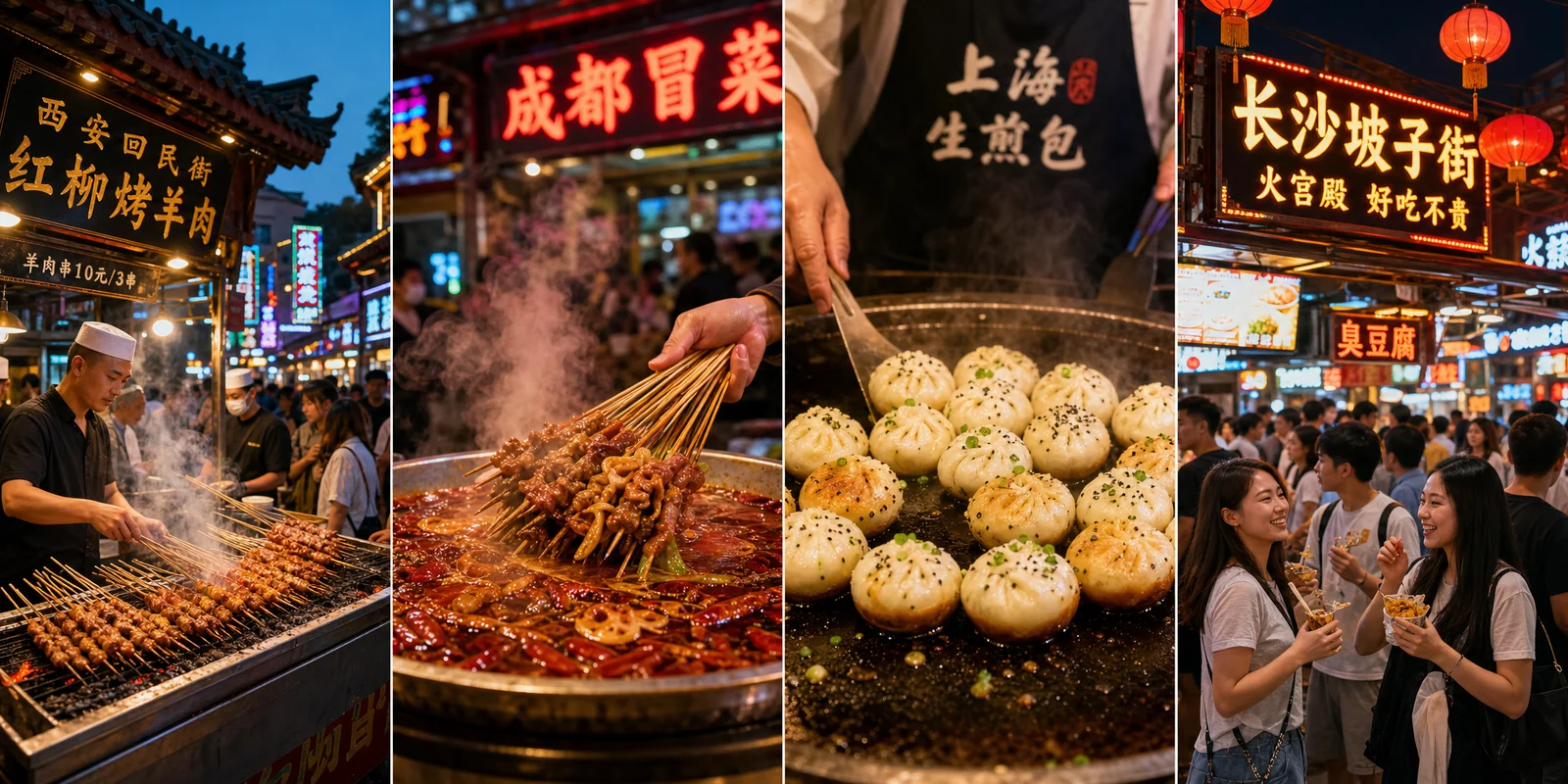
Best Street Food Cities in China
From Xi'an's lamb-stuffed flatbreads to Chengdu's numbing skewers, here are the Chinese cities where street food is...
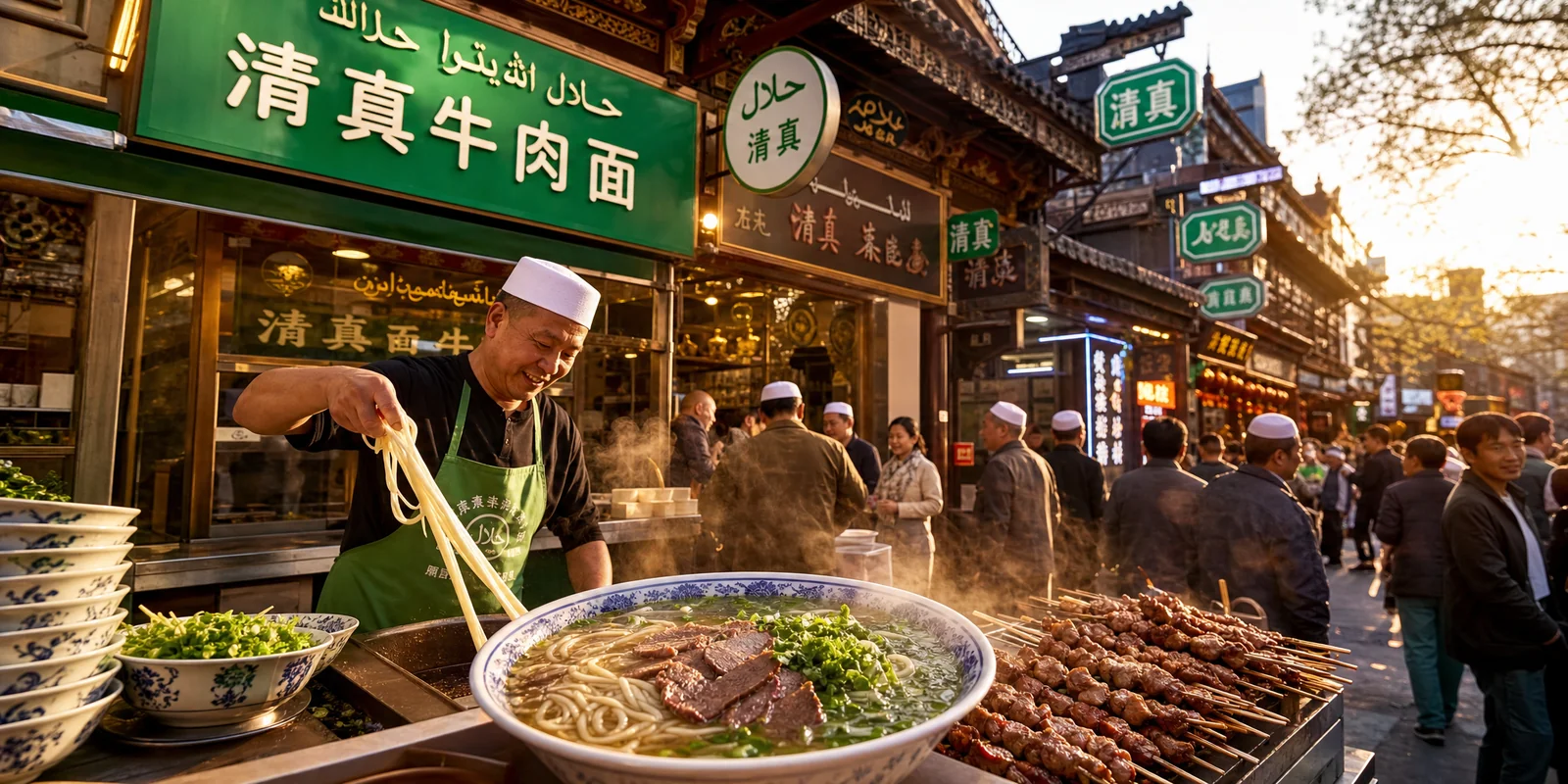
Halal Food in China
Finding halal food in China is easier than most travelers expect. Here's how to spot certified restaurants, what...
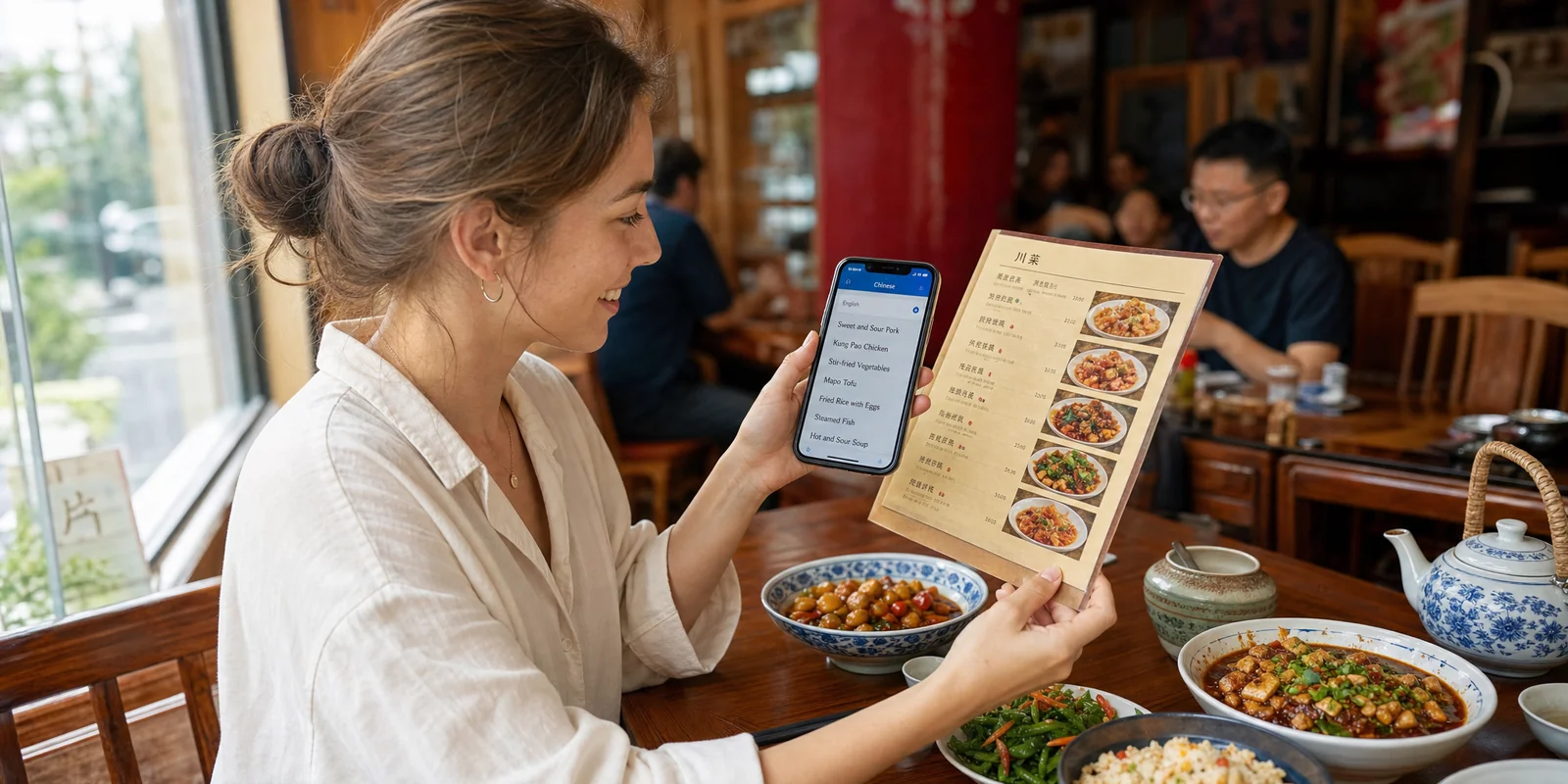
How to Order Food with Zero Chinese
Ordering food in China without speaking Chinese is easier than most travelers expect. Here are the apps, photo-menu...
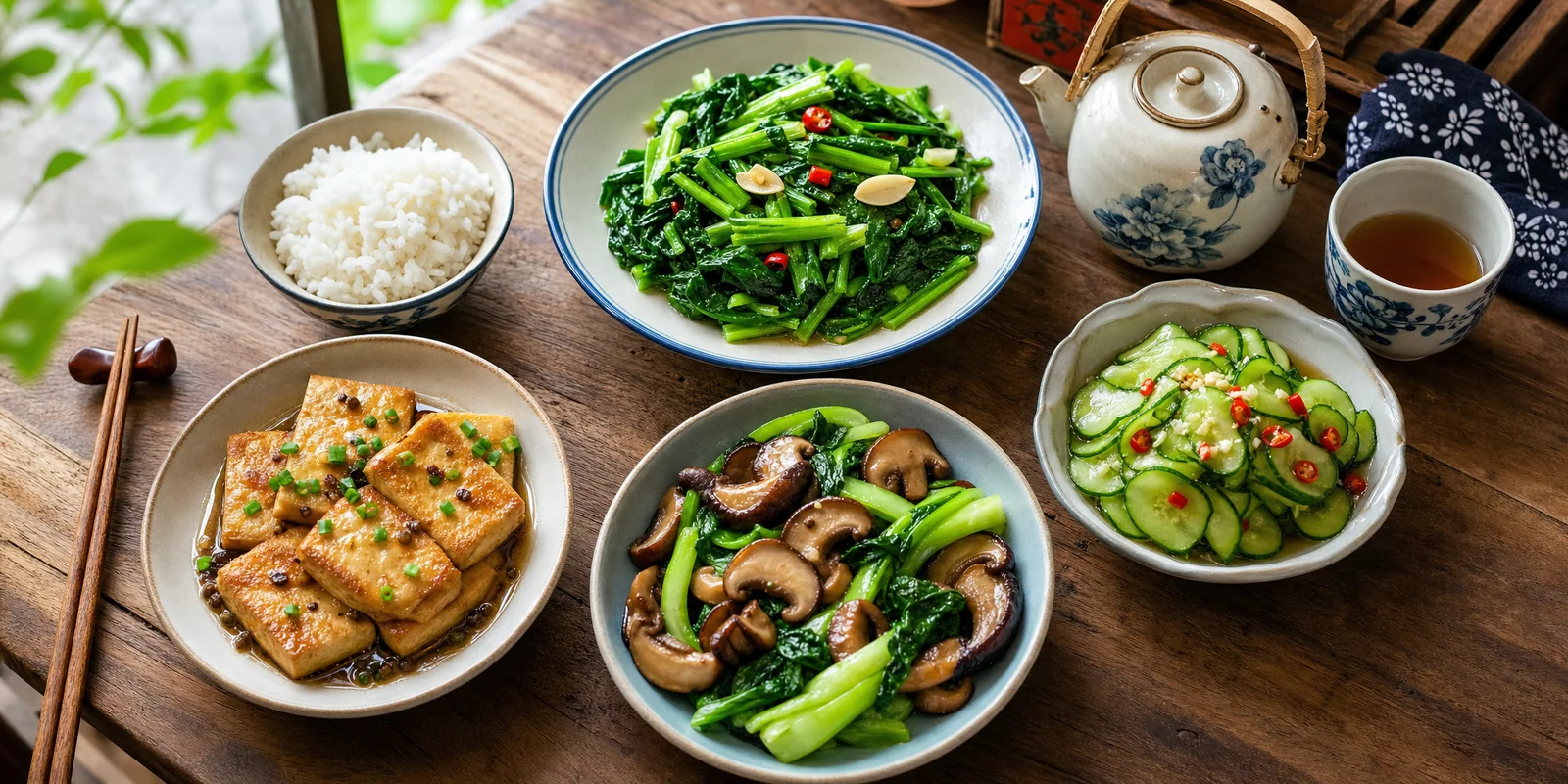
Vegetarian & Vegan Travel in China: A Practical Guide
Eating vegetarian or vegan in China is easier than most travelers expect, but it takes a bit of know-how. Here are...