
This article contains affiliate links. If you make a purchase through these links, we may earn a small commission at no extra cost to you. This helps support our work in creating free travel guides.
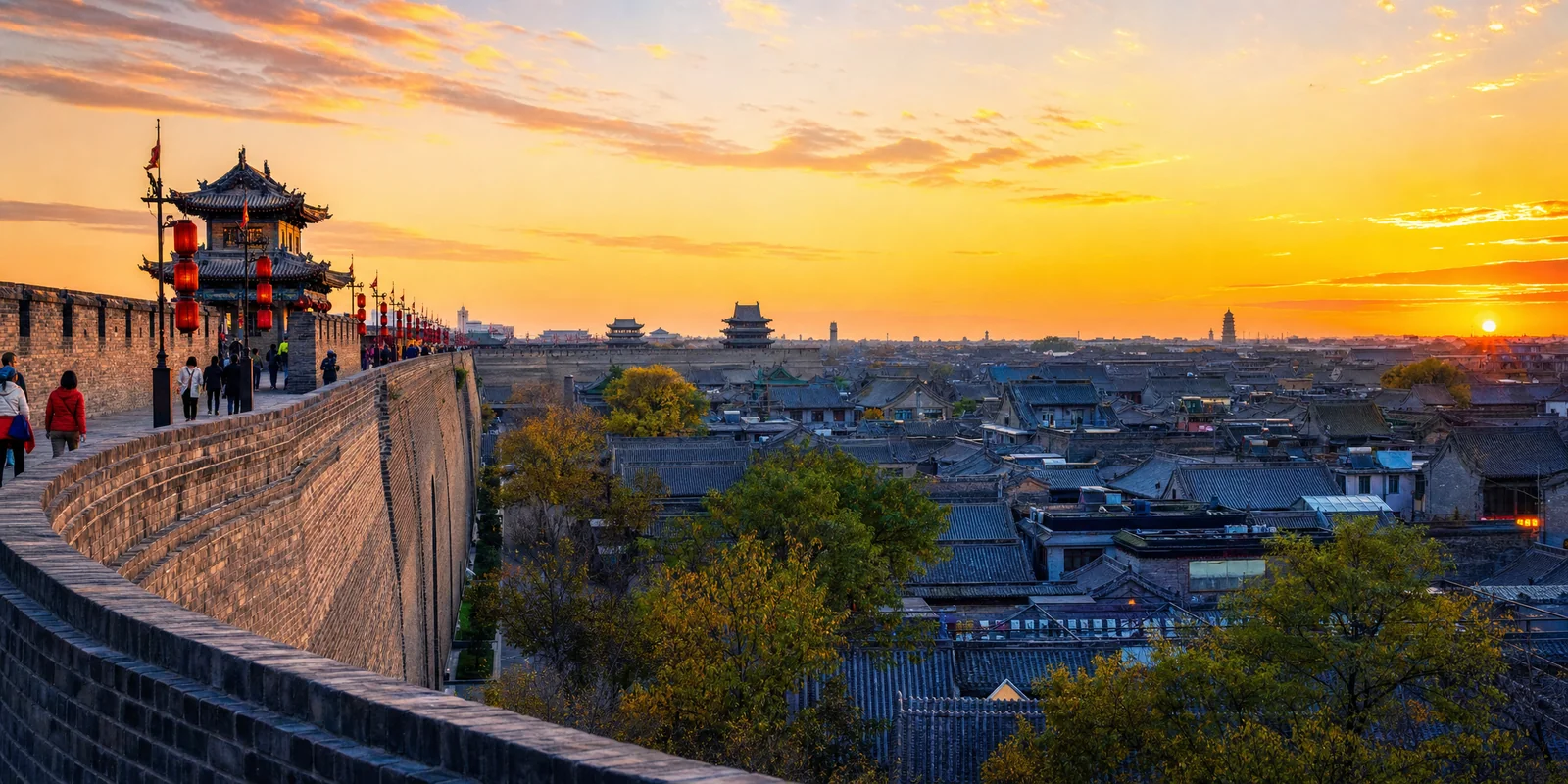
Pingyao (平遥, Píngyáo) is the best-preserved ancient walled city in China, and one of the few places where you can walk inside a complete Ming-dynasty street grid rather than around a reconstructed fragment of one. The whole old town is a UNESCO World Heritage Site, ringed by a six-kilometer city wall that still stands more or less as it did 600 years ago. This guide covers how to reach Pingyao, the sights worth your time, where to stay inside the walls, what to eat, and how many days you actually need. Most travelers come for one or two days, often as a stop between Beijing and Xi'an.
Why Pingyao is worth a stop
Plenty of Chinese towns market themselves as "ancient," and many are recent rebuilds dressed up for ticket sales. Pingyao is the real thing. The street plan, the courtyard houses, the temples, and the wall are largely original, which is why UNESCO inscribed the entire old town rather than a single monument. You can read the full listing on the UNESCO World Heritage Centre page for the Ancient City of Ping Yao.
The other reason to come is what happened here financially. In the 19th century Pingyao was the Wall Street of imperial China. The country's first draft banks (票号, piàohào) were founded on these streets, moving silver across the empire on paper notes long before modern banking. The merchant families of Shanxi (晋商, Jìnshāng) grew rich enough to build the courtyard mansions you can still tour today. So the old town is not just pretty; it tells a specific story about money, trade, and trust.
A short history
Pingyao's foundations go back more than 2,700 years, but the city you walk through today took its current shape in 1370, early in the Ming dynasty, when the rammed-earth walls were rebuilt in brick. Over the next few centuries the town became the financial heart of Shanxi. Its draft banks handled remittances for merchants trading tea, salt, and silk across thousands of kilometers. When foreign banks and a republican government arrived in the early 20th century, the old system collapsed, and Pingyao quietly fell out of the spotlight. That decline is the reason it survived intact: there was never enough money or pressure to tear the old buildings down. What looks like careful preservation today is partly just a town that time passed by.
Getting to Pingyao
Pingyao sits in central Shanxi province. It has two train stations: Pingyao Station (regular trains, right next to the old town) and Pingyao Ancient City Station (高铁, gāotiě, high-speed rail, about 6 km east). High-speed trains use the second one, so factor in a short taxi or bus ride to the walls.
| From | Best option | Time |
|---|---|---|
| Beijing | High-speed rail (direct) | ~3.5–4 hours |
| Xi'an | High-speed rail (direct) | ~3–3.5 hours |
| Taiyuan | High-speed rail / regular train | 30 min – 1.5 hours |
| Datong | High-speed rail (via Taiyuan) or direct regular train | ~3–5 hours |
The high-speed line makes Pingyao easy to slot into the classic Beijing–Xi'an corridor. Trains from Beijing and Xi'an both run direct, which is why so many people treat Pingyao as a one-night break rather than a separate trip. Taiyuan, the Shanxi provincial capital, is the regional hub: if you can't find a direct train, route through Taiyuan and you'll almost always find a connection. Datong, home to the Yungang Grottoes and the Hanging Temple, pairs naturally with Pingyao for a Shanxi loop.
Book through the official China Railway 12306 system or a booking platform. If you're new to Chinese trains, our guide to booking train tickets walks through the process step by step.
The sights worth your time
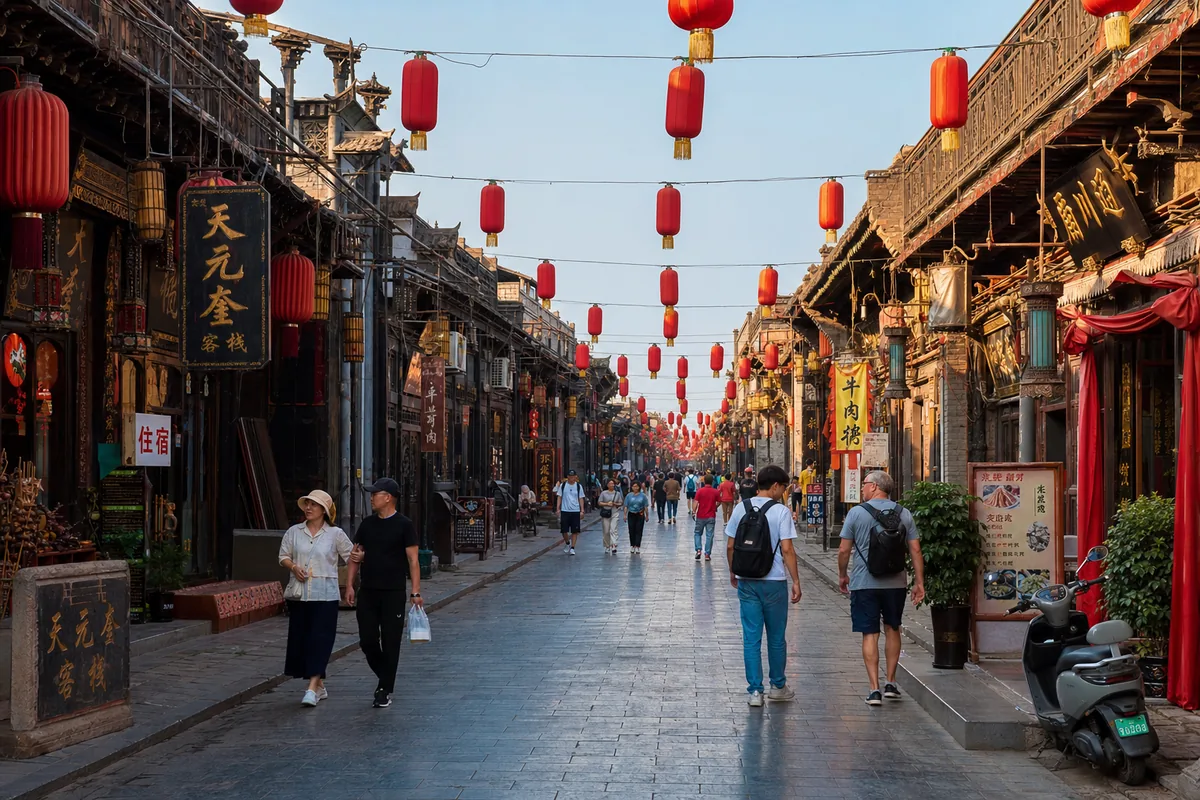
The old town is compact enough to cover on foot, and cars are restricted inside the walls. Here are the four sights to prioritize.
Pingyao City Wall
Start here. The wall runs about 6 km around the old town, stands roughly 10 meters high, and dates in its current brick form to 1370. Local lore describes the layout as a turtle: six gates form the head, tail, and four legs, a symbol of longevity. You can walk long stretches of the rampart, look down over the grey-tiled rooftops, and see how the entire town fits inside a single defensive ring. Go early morning or late afternoon for softer light and fewer tour groups. The full circuit takes a couple of hours if you walk it all, but even 30 minutes on the wall gives you the layout of everything below.
Rishengchang (日昇昌票号)
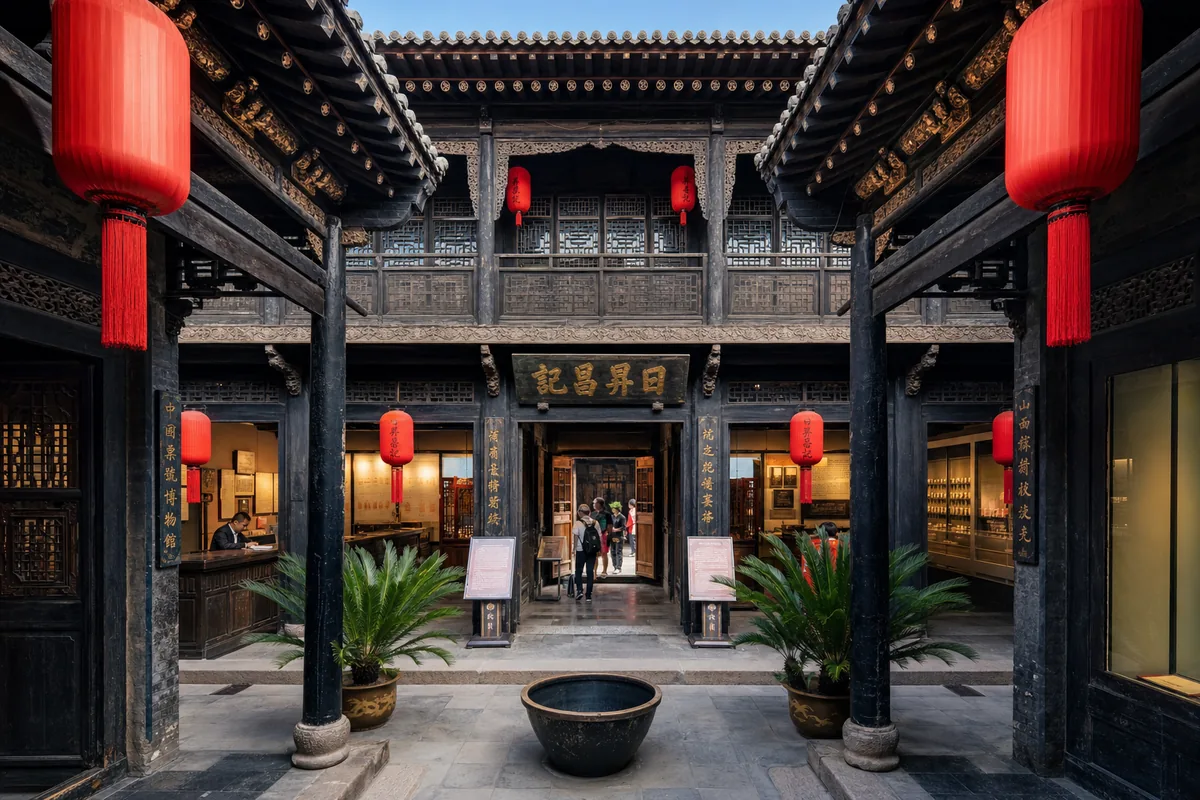
This is the one sight you shouldn't skip. Rishengchang, founded in 1823, was China's first draft bank, the institution that pioneered moving money by paper note across the empire. Today it's a museum inside the original courtyards. You walk through the counting rooms, the strong rooms, and the offices where clerks ran a remittance network reaching dozens of branches nationwide. The displays explain how the bank used coded characters and watermarks to prevent fraud at a time when a forged note could ruin a family. It's a quiet, slightly nerdy highlight that turns the whole "ancient town" into a story about how Chinese commerce actually worked.
Wang Family Compound (王家大院)
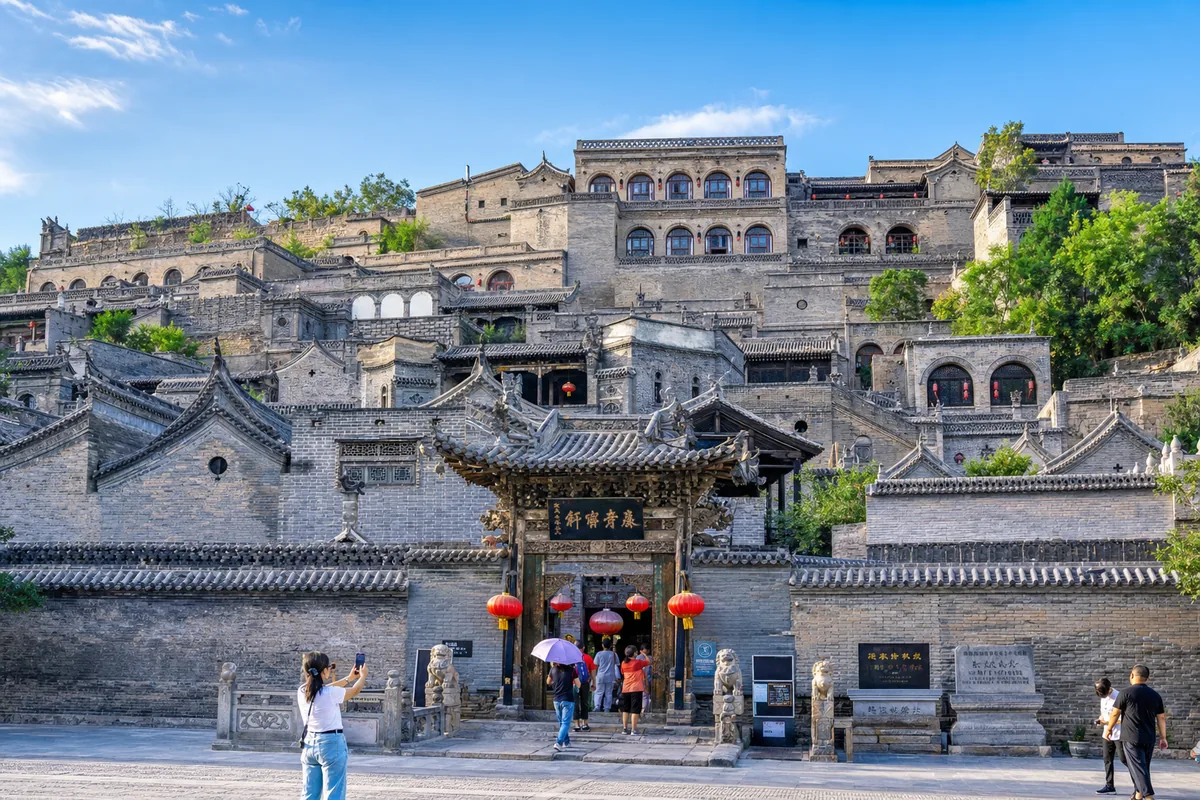
The Wang Family Compound isn't inside Pingyao itself; it's about 35 km southwest, near Lingshi, roughly an hour by car or local bus. It's worth the trip if you have a second day. This is a vast Qing-dynasty merchant estate, often called a "folk Forbidden City," with more than 100 courtyards spread across two hillside complexes and hundreds of rooms. The stone, brick, and wood carvings on the doorframes, screens, and eaves are some of the finest in northern China. Where Rishengchang shows you how Shanxi merchants made their money, the Wang Compound shows you how they spent it. Allow at least two to three hours on site, plus travel time.
Zhenguo Temple (镇国寺)
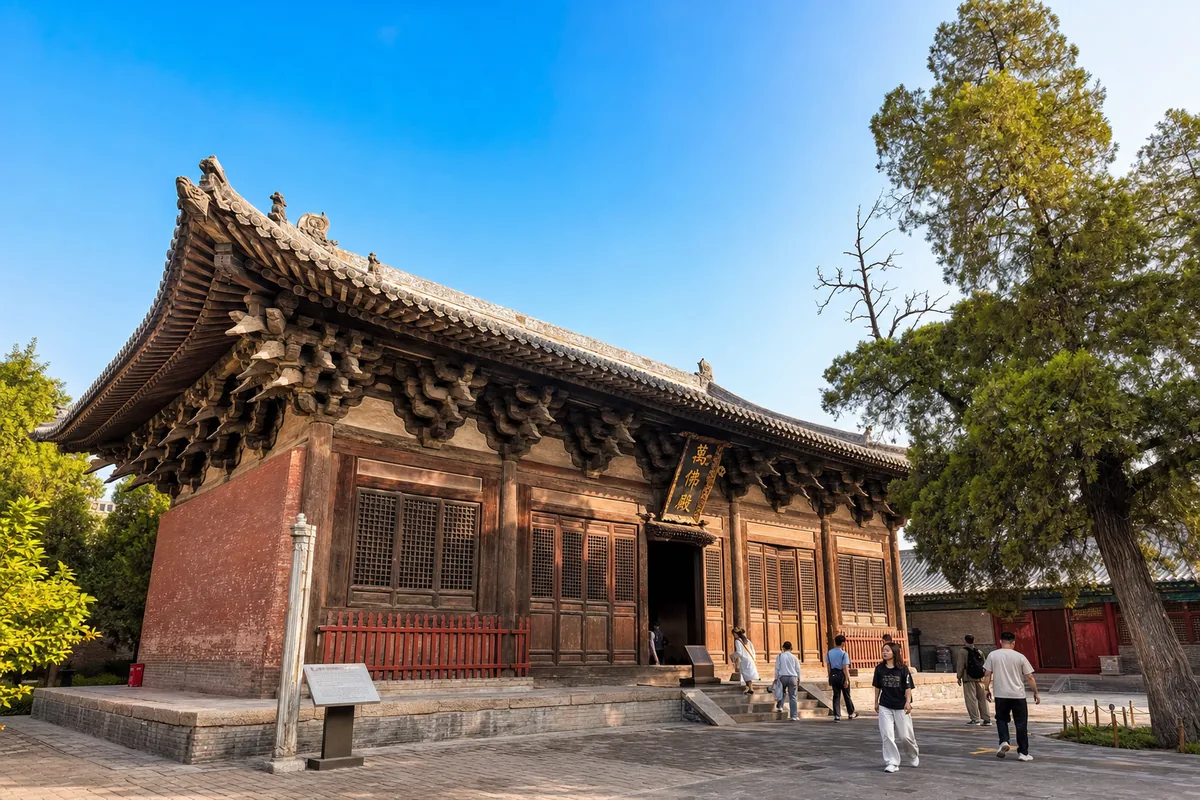
Zhenguo Temple lies about 12 km northeast of the old town and is part of the UNESCO listing alongside Pingyao itself. Its Wanfo Hall (万佛殿, Hall of Ten Thousand Buddhas) was built in 963, during the Five Dynasties period, making it one of the oldest surviving timber-frame buildings in China. The hall's bracket sets and the painted clay sculptures inside are remarkable precisely because so little from that era survives anywhere. It sees far fewer visitors than the old town, so if you want a genuinely calm encounter with very old architecture, this is it. Combine it with Shuanglin Temple, famous for its painted statues, if you're already heading out of the walls.
Booking guided visits
The sights are easy to navigate on your own, but the history of the draft banks and merchant culture is much richer with context. If you'd rather not piece it together yourself, you can book a guided old-town walk or a day tour to the Wang Family Compound through Klook, which often bundles transport for the out-of-town sights.
What to eat
Shanxi is serious noodle and vinegar country, and Pingyao has a couple of local specialties you'll see everywhere.
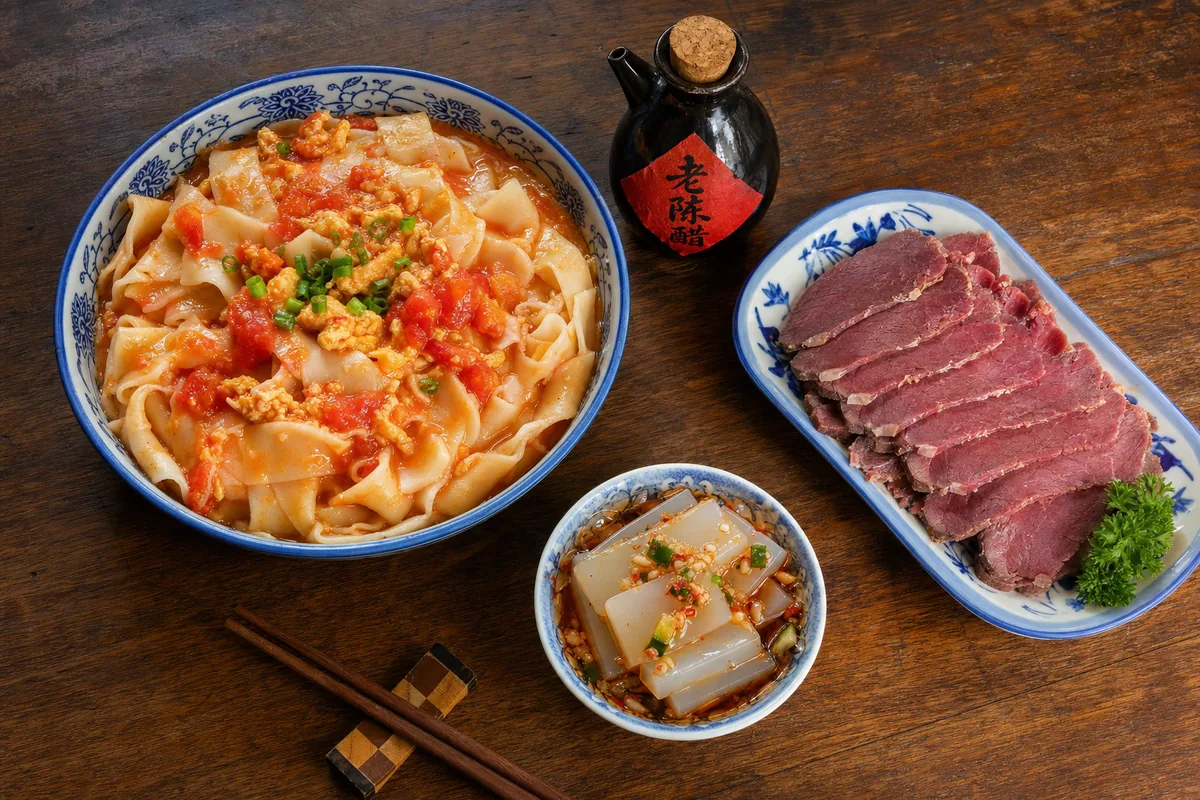
- Pingyao beef (平遥牛肉, Píngyáo niúròu) – cured, sliced cold beef that's a regional pride. It's sold in vacuum packs all over town and makes an easy snack or gift.
- Wantuo (碗托, wǎntuō) – a chilled buckwheat or wheat jelly, sliced and dressed with vinegar, chili, and garlic. Cheap, sour, refreshing, and very local.
- Shanxi noodles – knife-cut noodles (刀削面, dāoxiāomiàn), oat noodles (莜面, yóumiàn), and "cat's ear" pasta (猫耳朵, māo'ěrduo). Order them with tomato-egg or meat sauce.
- Aged vinegar (老陈醋, lǎochéncù) – Shanxi's famous dark vinegar appears on every table. Locals add it to almost everything, including some who drink it as a tonic.
Inside the walls, the main streets are lined with restaurants and food stalls. Prices climb on the busiest tourist lanes, so step one block off the main drag for better value. If you don't read Chinese, our guide on how to order food with zero Chinese covers pointing menus, translation apps, and useful phrases.
Where to stay
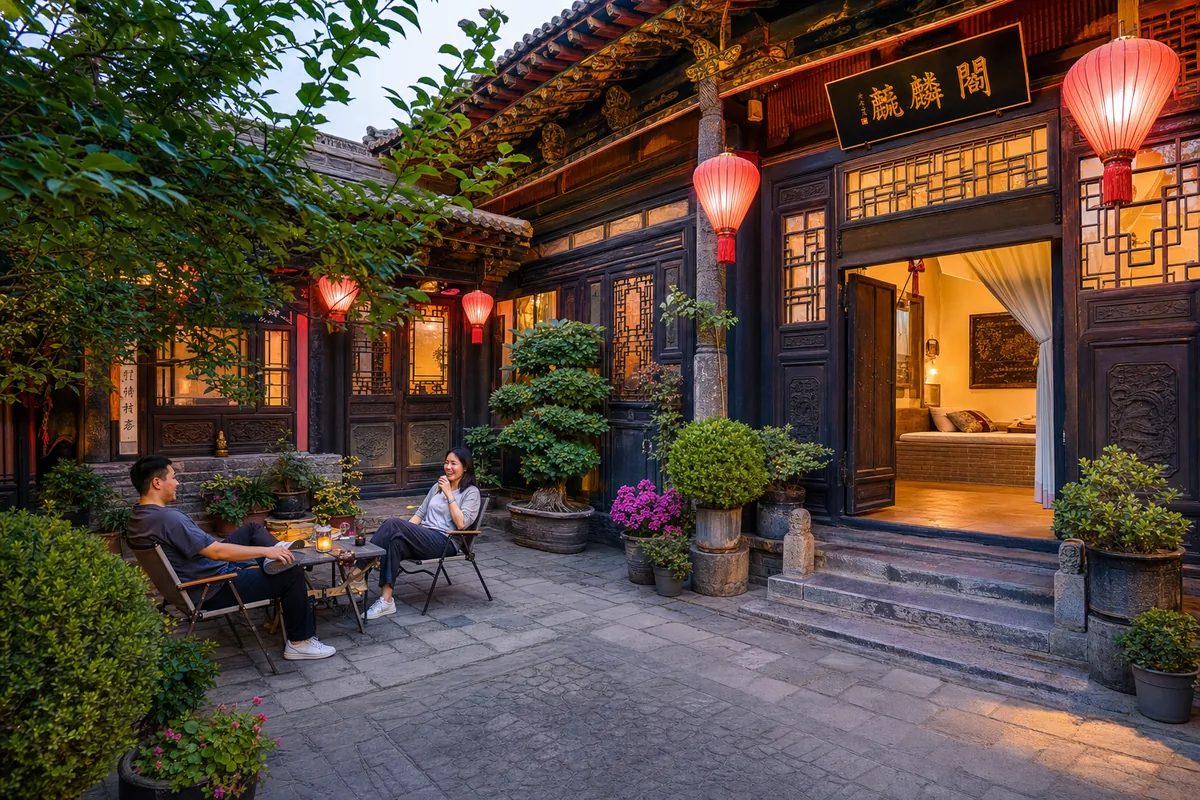
Stay inside the walls. The whole point of Pingyao is waking up on an ancient street, and many of the courtyard guesthouses are converted Qing-dynasty merchant homes (客栈, kèzhàn). You'll typically get a room off a stone courtyard, often with a traditional brick kang (炕) bed platform and lots of carved wood. Standards range from simple backpacker beds to restored boutique courtyards, and prices stay reasonable by Chinese standards outside of peak holidays.
A few practical notes:
- Hotels and guesthouses must register foreign guests with the police (住宿登记, zhùsù dēngjì). Most licensed places inside the walls handle this fine, but confirm the property accepts foreign passport holders before you book, since a few smaller guesthouses are not registered for it.
- Older courtyard rooms can be cold in winter and short on natural light. Check recent reviews for heating and dampness if you're visiting in the colder months.
- Book ahead for spring and autumn weekends and avoid the national holidays if you can.
You can compare courtyard guesthouses inside the old town on Booking.com, where filtering by guest rating helps separate the well-kept restorations from the tired ones. For more on the registration rules, see our guide to booking hotels and registration rules.
How long to stay and a sample plan
One full day covers the essentials inside the walls. Two days lets you add the out-of-town sights without rushing.
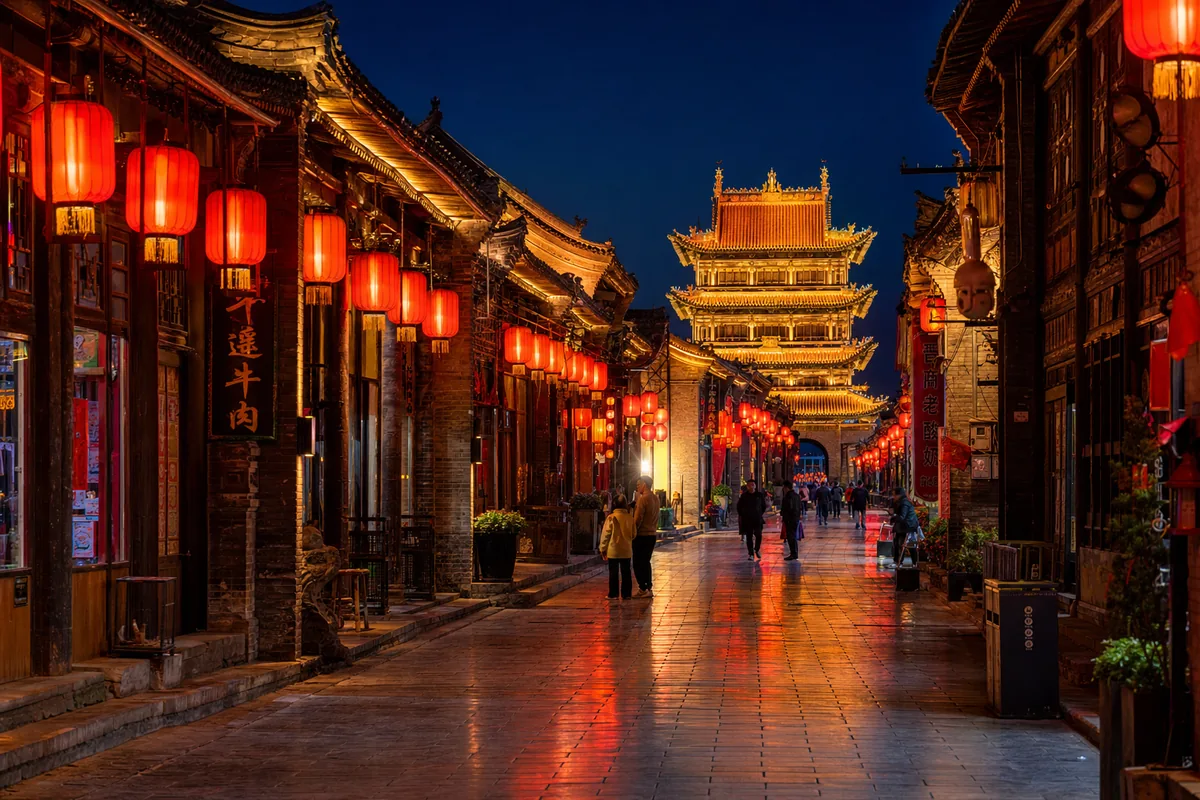
- Day 1 (inside the walls): Walk a stretch of the city wall in the morning, then spend the middle of the day at Rishengchang and the cluster of museums, temples, and old shops along the main streets. In the evening, the lanes light up with red lanterns and the crowds thin out, which is the nicest time to wander.
- Day 2 (outside the walls): Head to the Wang Family Compound in the morning, then stop at Zhenguo Temple or Shuanglin Temple on the way back. A car or a half-day tour makes this easy.
If you're stringing Pingyao together with Beijing, Xi'an, or Datong, the WaysChina app has a built-in trip planner and offline metro maps for the big cities at either end of the route, which helps when you're sketching out a day-by-day plan across several stops.
Final thoughts
Pingyao rewards travelers who slow down. The draw isn't a single blockbuster monument; it's the experience of staying inside a complete, lived-in old town and reading its story through the wall, the draft banks, and the merchant houses. Build in at least one night so you catch the quiet early morning and the lantern-lit evening, when the day-trip crowds have gone. Buy the combined ticket, prioritize Rishengchang and the wall, and if you have a second day, get out to the Wang Family Compound and Zhenguo Temple. Pair it with Xi'an or Beijing on the high-speed line, and you've got one of the most rewarding short stops in northern China.
Related reading
- Xi'an Complete Guide – the natural next stop south on the high-speed line.
- Datong Complete Guide – pair with Pingyao for a Shanxi loop.
- Beijing Complete Guide – the most common northern starting point.
- High-Speed Train Complete Guide – everything on riding China's rail network.
Last updated: June 2026
Read in other languages
Last train times for 10 Chinese metro systems
Every line and station, checked by hand — the same data behind our offline route planner.
Get the WaysChina App
Offline guides, currency converter, essential phrases, and more — all in your pocket.

Related Articles
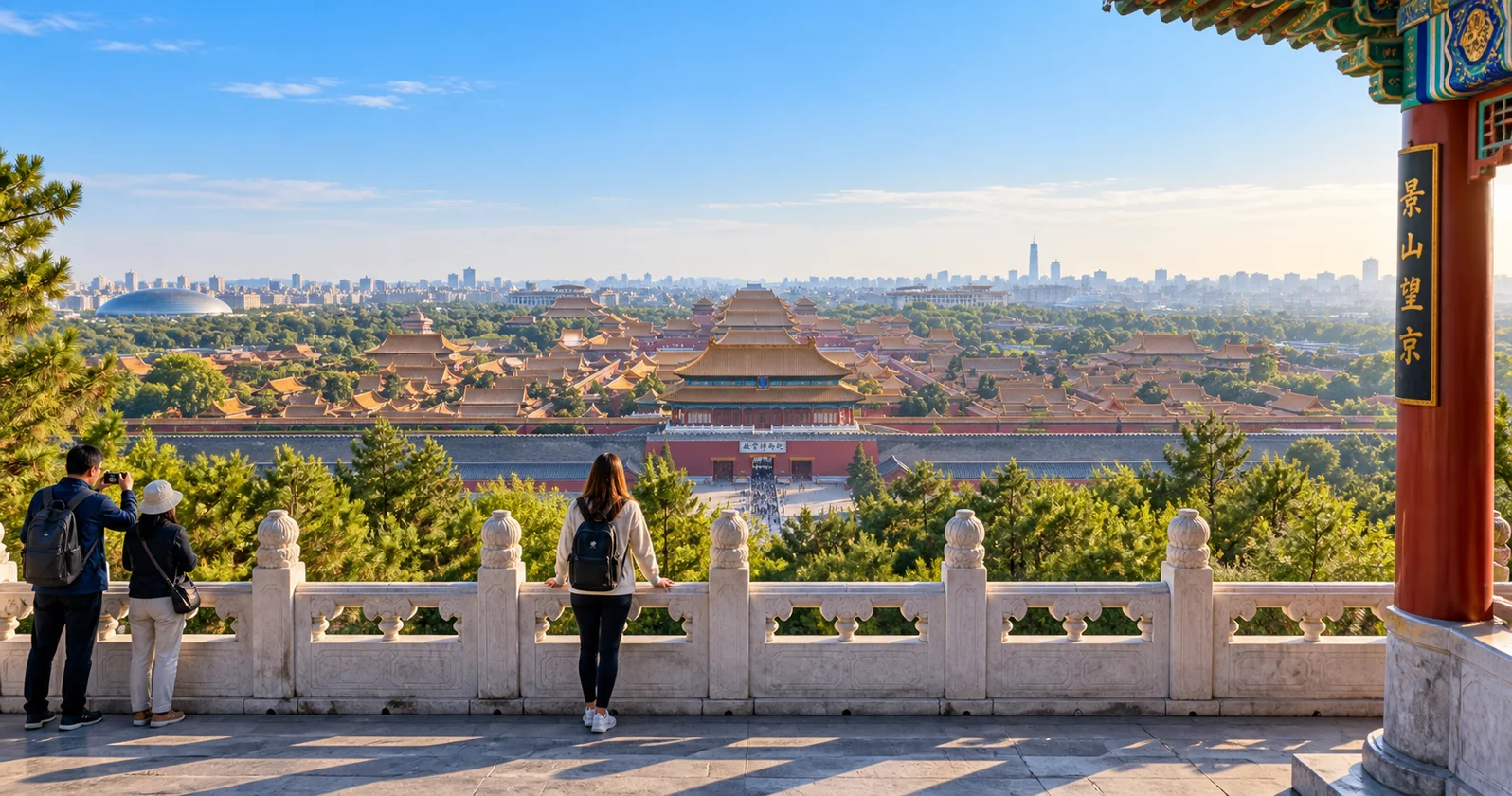
3 Days in Beijing: A Day-by-Day Itinerary Built Around the Bookings
A three-day Beijing route in metro order — imperial axis, Great Wall, Temple of Heaven and hutongs — with the...

Day Trips from Beijing: Which Great Wall Section, Plus the Ming Tombs, Tianjin and Chengde
Which Great Wall section fits you — Mutianyu, Badaling, Jinshanling or Simatai with Gubei — plus the Ming Tombs,...
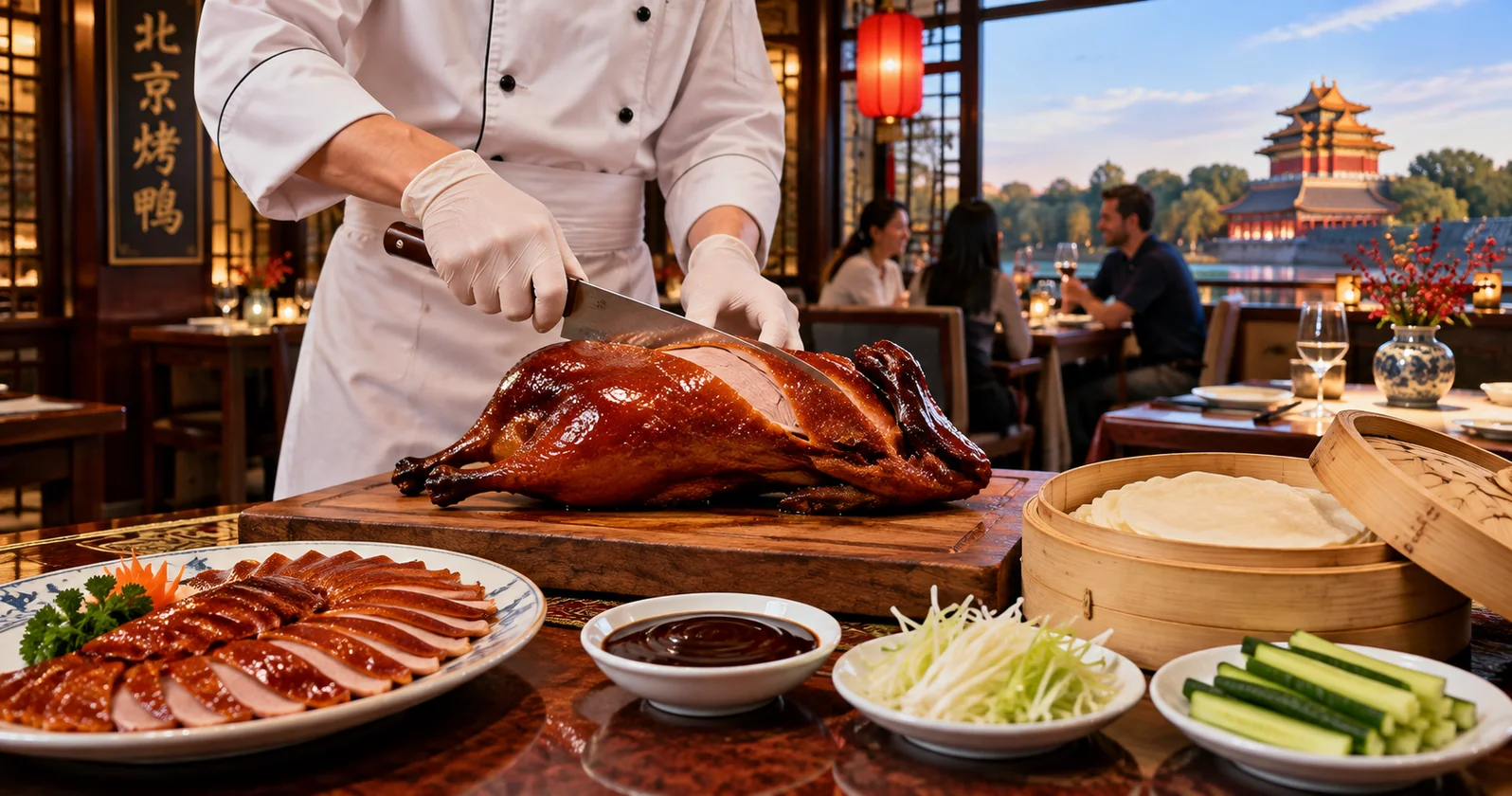
Beijing Food Guide: What to Eat, Where to Eat It, and What to Skip
Peking duck the right way, zhajiangmian, copper-pot lamb hotpot and which old-Beijing snacks are worth it, plus...
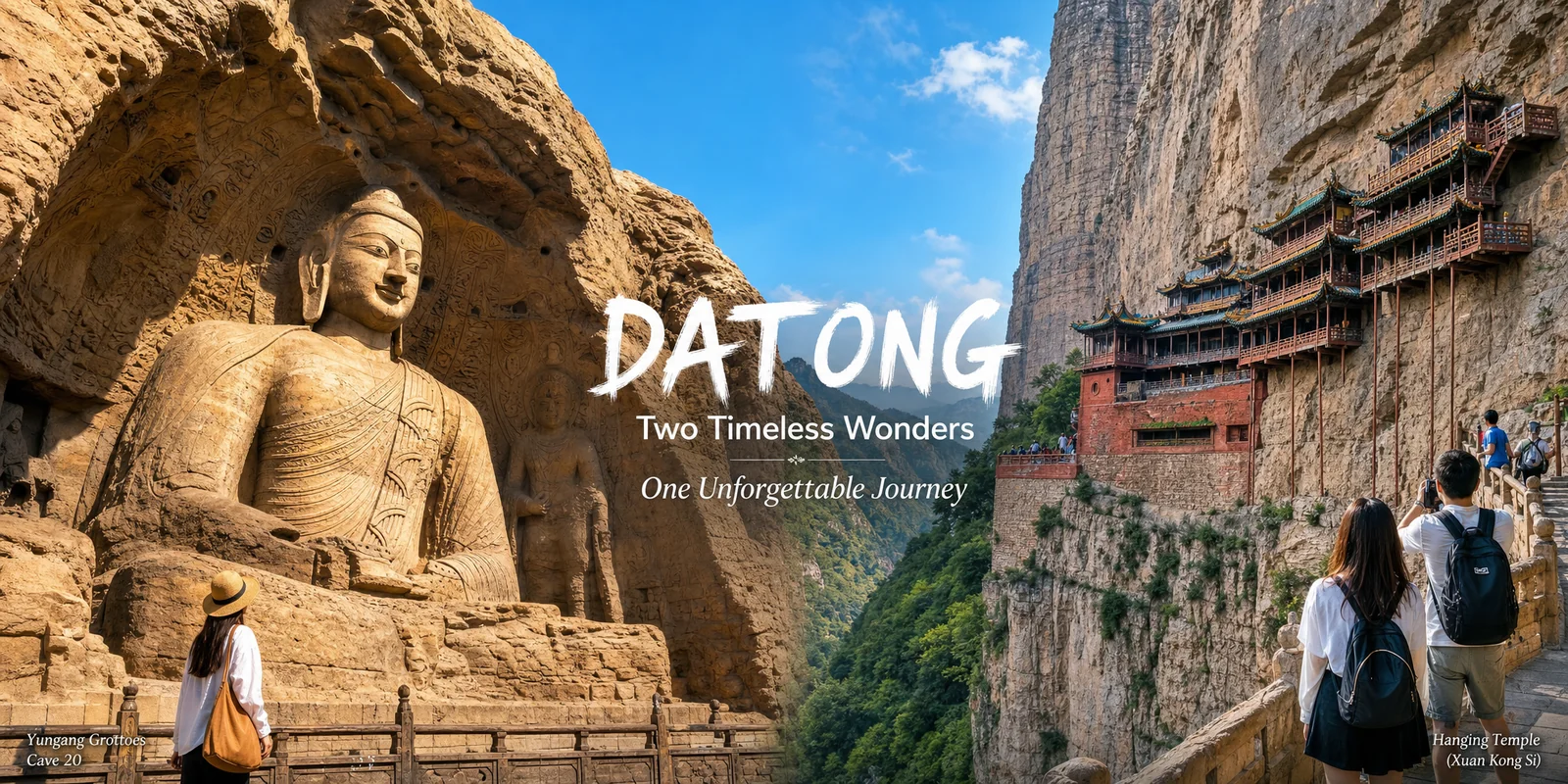
Datong Complete Guide
Datong was the first capital of the Northern Wei dynasty and home to the UNESCO-listed Yungang Grottoes. Here's how...