
This article contains affiliate links. If you make a purchase through these links, we may earn a small commission at no extra cost to you. This helps support our work in creating free travel guides.
Summer in China runs roughly from June through August, and it's hot. In most of the country you're looking at 30–38°C (86–100°F) with high humidity, plus the East Asian monsoon brings serious rain to the south and east. It's also peak domestic travel season — Chinese schools are on summer break in July and August, so popular sites get packed and hotel prices climb. None of this means you should avoid China in summer. It just means you plan around the heat and the rain, and you pick destinations that play to the season's strengths: long daylight hours, beaches, grasslands, and high-altitude regions that stay cool while the lowlands bake.
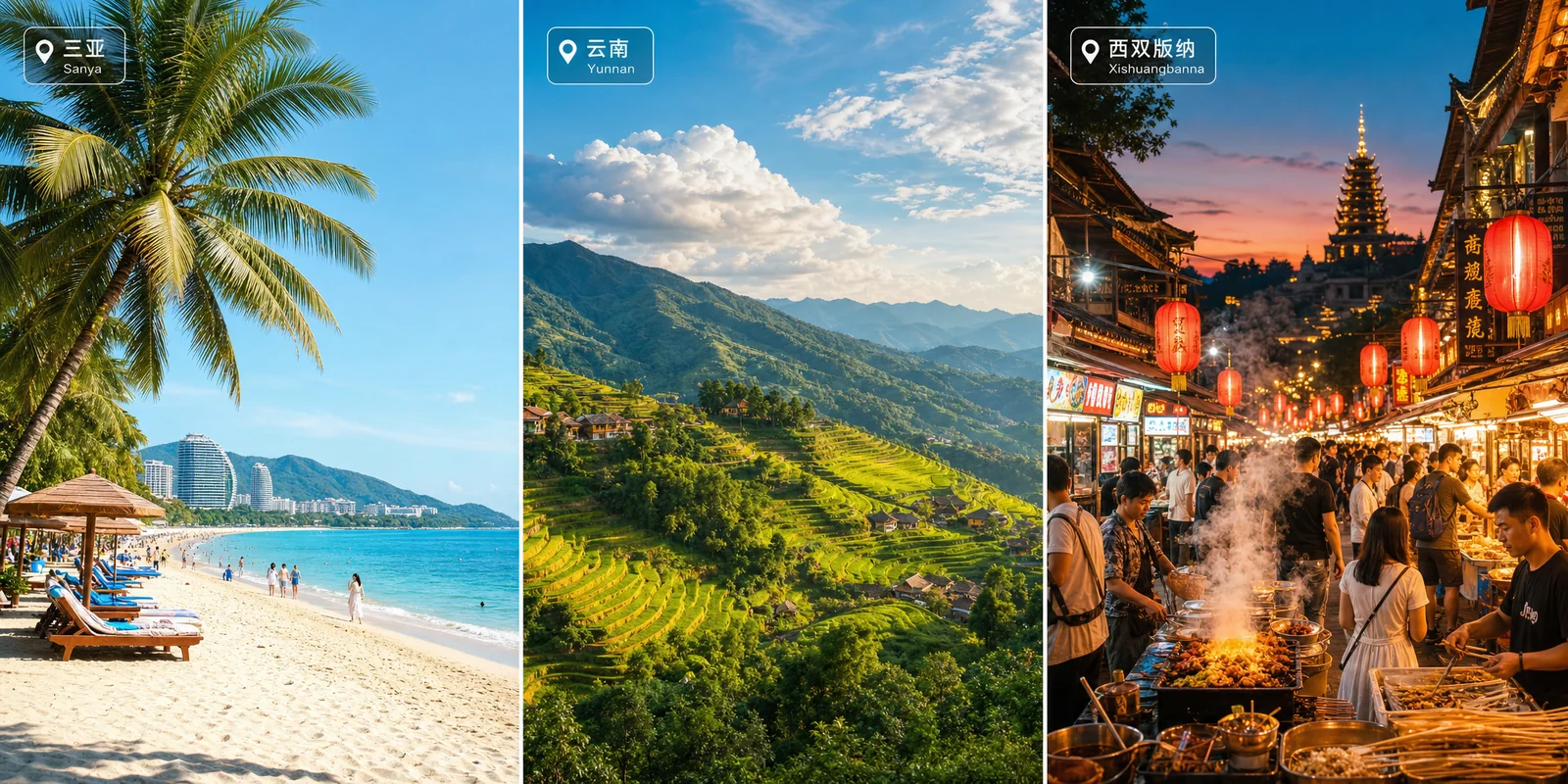
What summer actually feels like across China
China is huge, so "summer" varies a lot by region. The thing most visitors underestimate is humidity. A 33°C day in Shanghai or Guangzhou feels far worse than the same temperature in a dry climate, because the air is thick and you don't stop sweating.
Here's the rough picture by region:
| Region | Typical summer conditions | What to expect |
|---|---|---|
| South & Southeast (Guangzhou, Xiamen, Hong Kong, Hainan) | 30–35°C, very humid, frequent rain, typhoon risk | Hot and sticky; afternoon downpours; possible typhoon disruption Jul–Sep |
| East (Shanghai, Hangzhou, Nanjing) | 32–38°C, humid, "plum rain" then dry heat | Nanjing and Wuhan are known as China's "furnaces"; brutal afternoons |
| North (Beijing, Xi'an) | 30–36°C, drier than the south, occasional heavy rain | Hot but more bearable; thunderstorms in July/August |
| Southwest highlands (Yunnan, Guizhou) | 18–28°C, mild, some rain | One of the best summer escapes in the country |
| Tibetan Plateau & Qinghai (Lhasa, Xining) | 10–24°C, strong sun, cool nights | Comfortable days, but altitude is the real issue |
| Far north & Northeast (Harbin, Inner Mongolia grasslands) | 18–28°C, dry, pleasant | Genuinely cool; grasslands at their greenest |
The "plum rain" season (梅雨, méiyǔ) hits the Yangtze River region — Shanghai, Hangzhou, Nanjing, Wuhan — typically from mid-June to early July. Expect days of steady drizzle and high humidity. After it lifts, the heat ramps up.
Weather, clothing, and what to pack
Pack light, breathable clothing — cotton and linen over synthetics. The mistake many visitors make is dressing only for the heat outside and freezing indoors. Air conditioning in China is aggressive. Trains, malls, restaurants, and museums are often chilled to the point where you'll want a layer.
- Light long sleeves or a thin layer — for over-cooled interiors and for sun protection
- A compact umbrella — doubles as rain cover and sun shade; locals use them for both
- Sunscreen and a hat — UV is intense, especially on the plateau and at the coast
- Comfortable, breathable shoes — you'll walk a lot and your feet will sweat
- A refillable water bottle — staying hydrated matters more than you think in this humidity
- Quick-dry clothes — useful in the rainy south, where things take forever to dry
If you're heading to high-altitude areas like Tibet, Qinghai, or Shangri-La, bring genuinely warm layers. Daytime sun is strong but evenings drop to single digits, and it can feel cold the moment a cloud passes. For a full breakdown by region and season, see our clothing by season guide.

Cool places to escape the heat
The smartest summer itineraries route through China's cooler regions. These are the places where the season actually works in your favor.
Yunnan
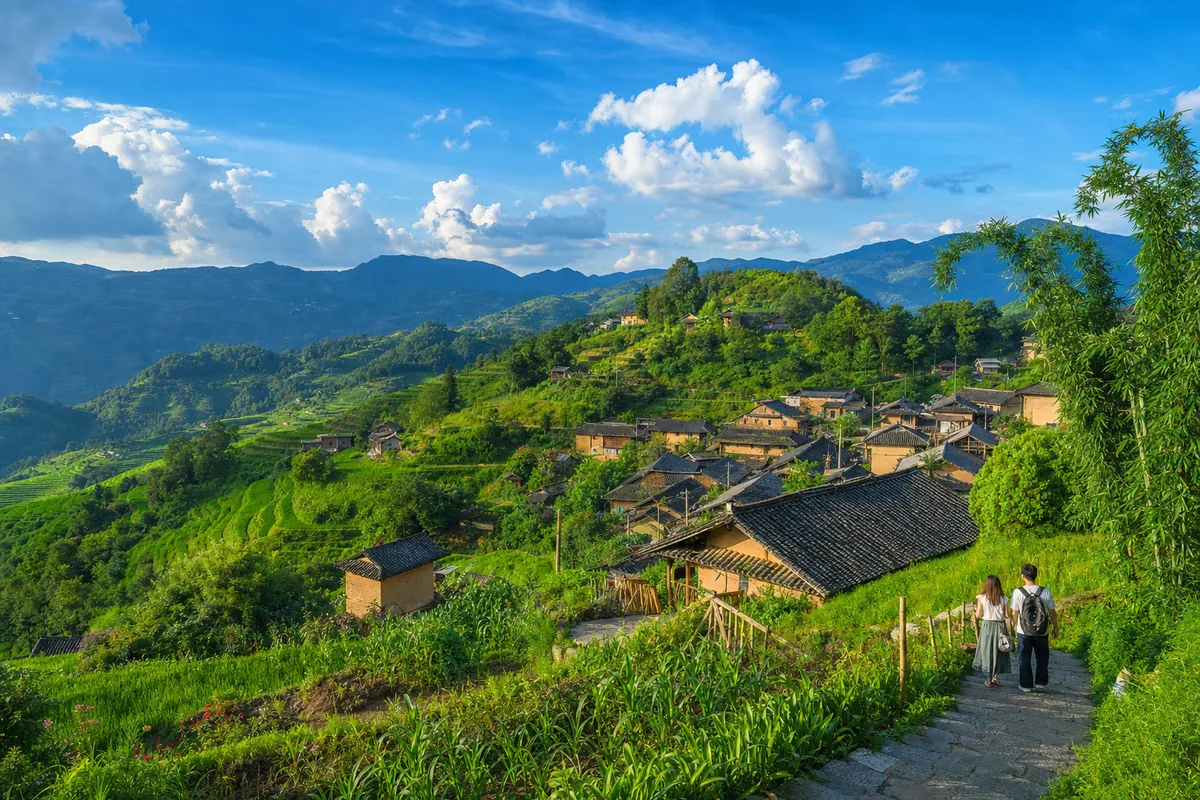
Kunming isn't called the "Spring City" (春城, Chūnchéng) for nothing — summer highs hover around 24°C. Dali and Lijiang sit at higher elevations and stay mild, and Shangri-La (around 3,200m) is downright cool. This is one of the most comfortable regions in the entire country in July and August, with the bonus of green terraced landscapes after the rains. See our Yunnan complete guide and the Dali & Lijiang guide for routing.
The Tibetan Plateau and Qinghai
Summer is actually the best time to visit Tibet and Qinghai Lake — the weather is at its mildest and the grasslands are green. Days are pleasant in the low 20s. The catch is altitude: Lhasa sits at 3,650m, and you need to acclimatize slowly. See the Lhasa & Tibet guide and Xining & Qinghai Lake guide before you commit.
Mountain retreats
Historically, Chinese emperors and later foreign residents escaped summer heat in mountain towns. These still work:
- Huangshan (Yellow Mountain) — cooler at elevation, and summer brings dramatic cloud seas after rain. See the Huangshan guide.
- Zhangjiajie — the pillar forests are humid but the canyon air and elevation help; mornings are misty and atmospheric. See the Zhangjiajie guide.
- Changbaishan in the northeast — cool, forested, with the volcanic crater lake at its clearest in summer. See the Changbaishan nature guide.
The far north and grasslands
Harbin, famous for its winter ice festival, is a pleasant 20–28°C in summer. The Inner Mongolia grasslands are at their greenest, with comfortable days and cool nights — a completely different China from the steamy south.
China's beach destinations
If you want sand and sea, China has real options — though manage expectations on water clarity at the busier mainland beaches.
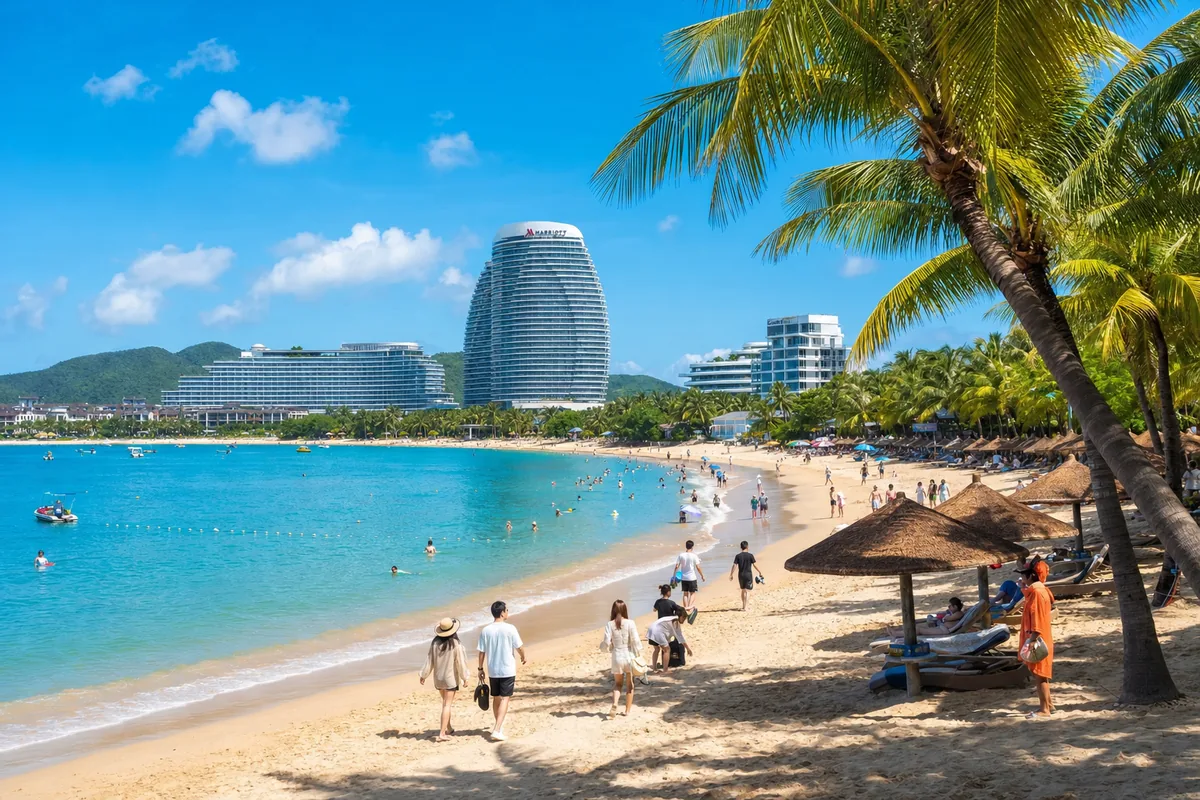
Sanya (Hainan Island)
Sanya is China's flagship tropical beach resort, on the southern tip of Hainan. Think palm-lined bays, resort hotels, and warm water year-round. Note that Hainan's summer is its rainy and typhoon-prone season, so check forecasts — but you'll also find lower prices than the winter peak. See the Sanya beach resort guide for the best bays and how to get there.
Xiamen and the Fujian coast
Xiamen is a relaxed coastal city with the car-free island of Gulangyu, colonial-era architecture, and a strong café culture. It's humid in summer but the sea breeze helps. See the Xiamen & Fujian coastal guide.
Qingdao and Dalian
In the north, Qingdao (famous for its beer and German-era streets) and Dalian both have city beaches and milder summer temperatures than the south. They're popular domestic summer escapes for exactly this reason. See the Dalian coastal city guide.
Summer activities worth planning around
Summer's long daylight (sunset is often after 7:30pm in the east, later in the west) opens up evening sightseeing when the air finally cools.
- Evening river cruises — the Huangpu in Shanghai, the Li River area around Yangshuo, and Chongqing's two-rivers night views are best after dark in summer.
- Water towns at dawn — the Jiangnan canal towns (Zhujiajiao, Wuzhen, Suzhou's old quarters) are atmospheric and far cooler in early morning before crowds and heat arrive. See our Suzhou garden city guide.
- Rafting and river activities — popular domestically in summer, especially around Guilin/Yangshuo and parts of the southwest.
- Grassland trips — Inner Mongolia and parts of Qinghai are only really accessible and green in summer.
- Night markets — summer is street-food season. Cities come alive after dark; see our best street food cities roundup.
For booking guided day trips, river cruises, and skip-the-line entries — which save real time at crowded summer sites — platforms like Klook covers most major Chinese cities and is straightforward to use with a foreign card.

Crowds, peak season, and timing
The summer school holiday (mid-July through end of August) is when domestic tourism surges. Famous sites — the Great Wall, the Terracotta Army, Zhangjiajie, Jiuzhaigou, Disney Shanghai — see their heaviest crowds of the year alongside the Lunar New Year and the October Golden Week.
Practical ways to handle it:
- Book major attraction tickets in advance — many big sites now require timed-entry reservations, and they sell out in peak summer.
- Reserve high-speed train tickets early. Trains fill up on popular routes; see how to book train tickets.
- Start early. Being at a major site at opening beats arriving at 11am into both heat and crowds.
- Consider traveling in early June or the last week of August for a meaningful drop in crowds and prices.
Staying healthy and comfortable
A few summer-specific things that trip up visitors:
- Hydration and salt. You sweat a lot. Drink more than you think you need. Bottled water is cheap and everywhere; many hotels provide free bottles daily.
- Mosquitoes. The humid south has plenty. Bring or buy repellent — local brands work fine and are sold in any convenience store or pharmacy.
- Food safety. Heat means food spoils faster. Stick to busy stalls with high turnover and freshly cooked dishes. See our food safety guide.
- Sun. UV is strong, particularly at altitude and by the sea. Many local women carry sun umbrellas — there's no shame in it and it genuinely helps.
China's National Climate Center publishes heat and weather warnings, and you can check official forecasts through the China Meteorological Administration before and during your trip. Typhoon tracking is also widely available through major weather apps.
For getting around cities in the heat, the metro is your friend — air-conditioned and reliable. For planning metro routes and day-by-day itineraries across major cities, the WaysChina app has offline metro maps and a built-in trip planner, which is handy when you're routing between indoor stops to dodge the worst of the midday sun.
Summing up
Summer in China is hot, humid, and busy — but very doable if you plan around it. Head for the cool regions (Yunnan, Tibet, Qinghai, the northeast, mountain towns) if heat isn't your thing, or lean into the season with beaches at Sanya, Xiamen, and Qingdao. Pack light clothing plus a layer for fierce air conditioning, carry an umbrella for sun and rain, start your sightseeing early, and book trains, attraction tickets, and summer accommodation well ahead. Watch typhoon forecasts on the coast, and keep an eye on the calendar — early June and late August dodge the worst of the school-holiday crowds. Do that, and the long daylight and lively night markets make summer one of the more rewarding times to be here.
Related reading
- Best Time to Visit China — how summer compares to other seasons
- Weather by Region — detailed regional breakdowns
- Sanya Beach Resort Guide — China's top tropical beach destination
- Yunnan Complete Guide — the country's best summer escape
- Golden Week Survival Guide — surviving China's other big peak season
Last updated: June 2026
Read in other languages
Last train times for 10 Chinese metro systems
Every line and station, checked by hand — the same data behind our offline route planner.
Get the WaysChina App
Offline guides, currency converter, essential phrases, and more — all in your pocket.

Related Articles
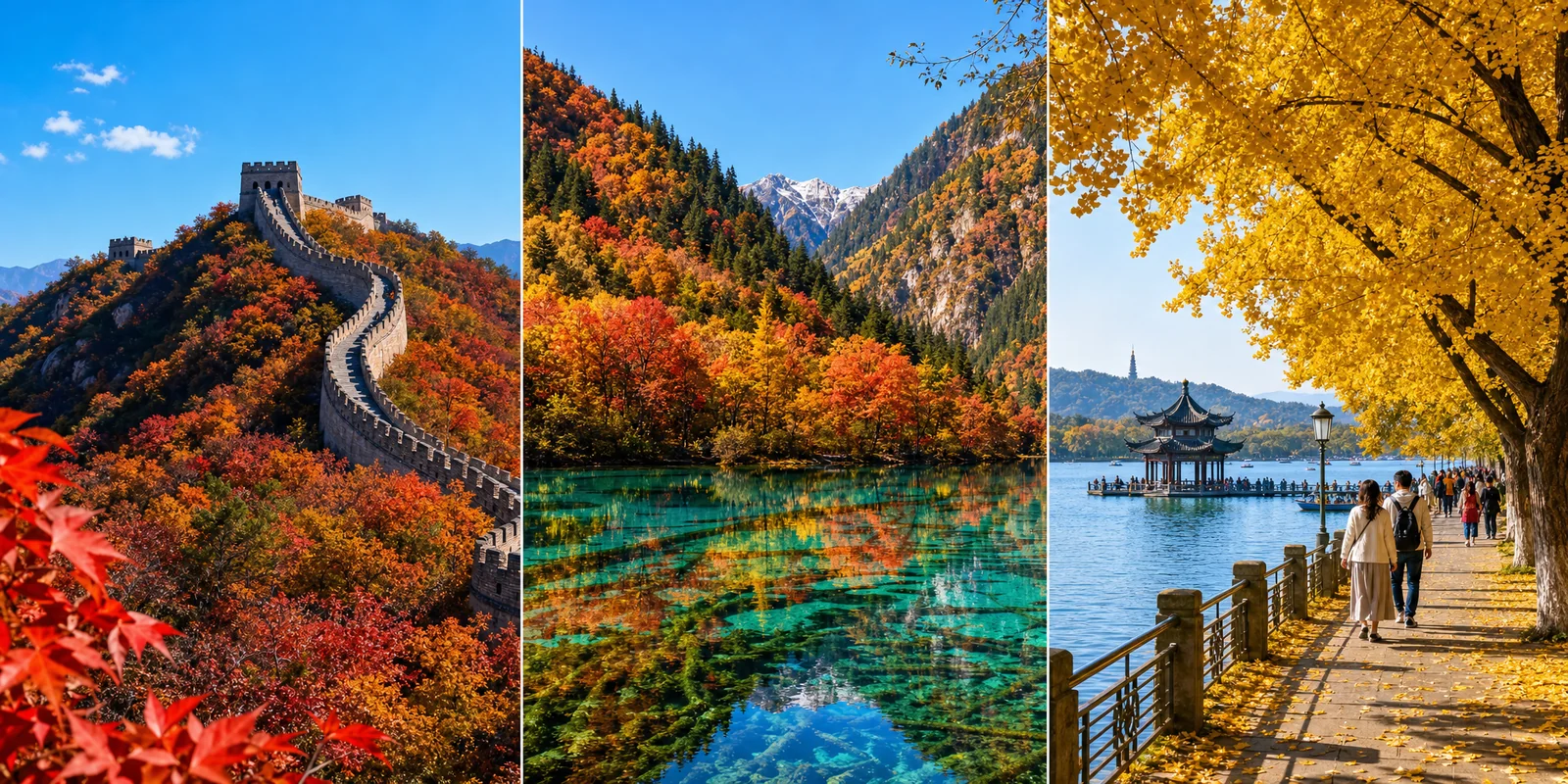
Autumn Travel in China
Autumn is arguably the best season to visit China: comfortable weather, clear skies, golden foliage, and the...
Best Time to Visit China
China spans subtropical beaches to subarctic forests, so the best time to visit depends entirely on where you're...
Chinese New Year Travel Guide
Traveling to China during Chinese New Year means festive cities, closed shops, and the world's largest annual...
Festival Calendar: China's Holidays & Festivals Explained
China's festival calendar mixes lunar holidays with fixed public holidays. Here's when each one falls, what closes,...