
This article contains affiliate links. If you make a purchase through these links, we may earn a small commission at no extra cost to you. This helps support our work in creating free travel guides.
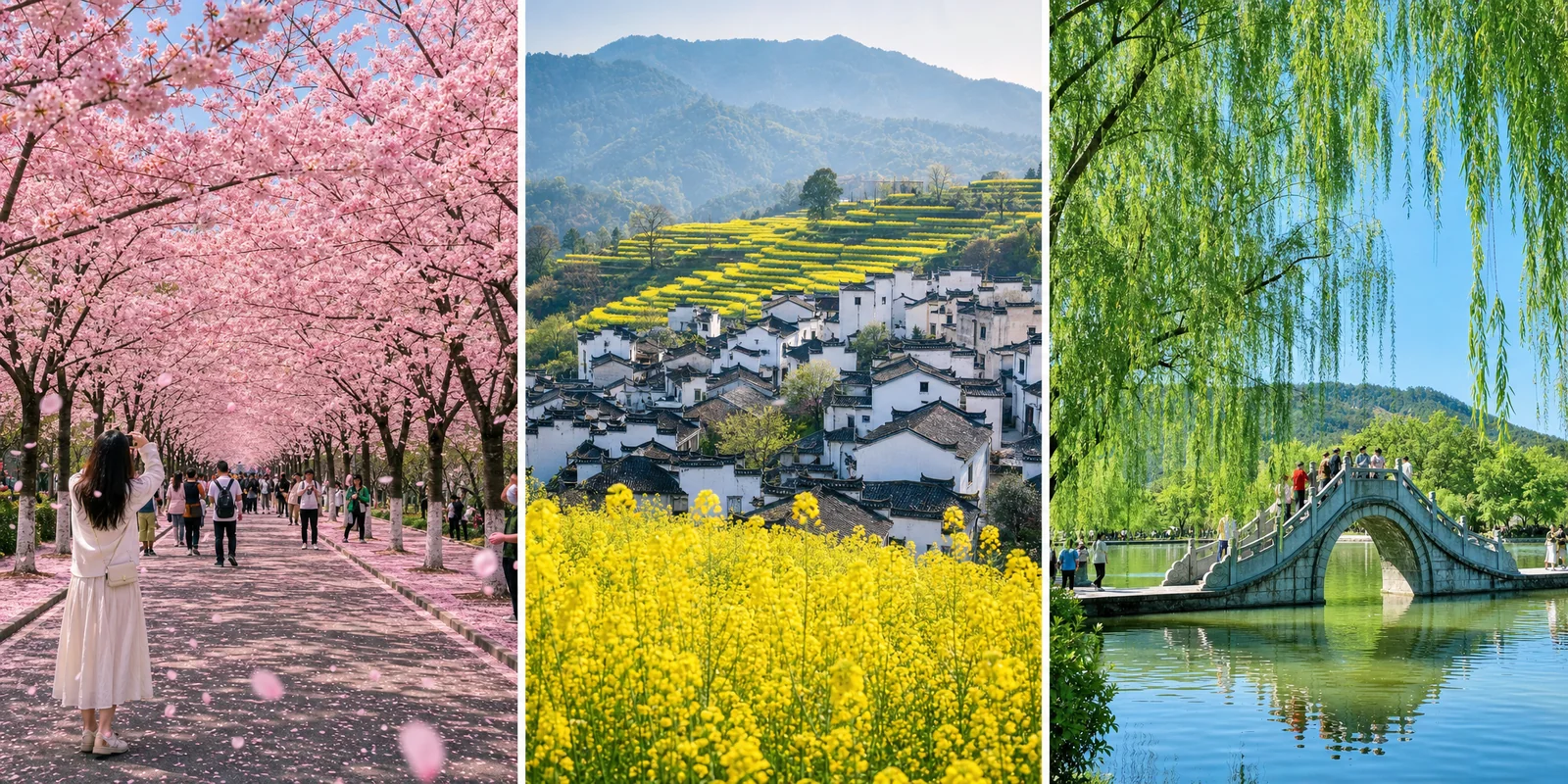
Spring runs roughly from March through May in China, and for most of the country it's the most comfortable travel season alongside autumn. Temperatures are mild, the rainy season hasn't fully arrived, and the flower displays — cherry blossoms, rapeseed, peach blossoms — draw both domestic and foreign travelers. The two things to plan around are the weather, which swings a lot between regions and even within a single day, and two public holidays (Qingming and Labour Day) that pack trains and attractions with domestic tourists. This guide covers what to wear, where to go for the blossoms, and how to time your trip so you're not fighting half a billion people for a train seat.
What spring is actually like in China
China is huge, so "spring weather" means very different things depending on where you are. A rough breakdown:
- South China (Guangzhou, Guilin, Hong Kong): Already warm and humid by March, with increasing rain. By May it can feel like early summer — 25–30°C and sticky.
- Central and East China (Shanghai, Hangzhou, Wuhan, Suzhou): The classic spring zone. March is cool (10–18°C), April is pleasant (15–22°C), May warms up. Rain is common but rarely all-day.
- North China (Beijing, Xi'an, Datong): March can still be cold and dry, sometimes windy with dust. April warms quickly. By May it's genuinely nice, though afternoons get hot.
- Southwest (Chengdu, Yunnan): Yunnan has near-perfect spring weather — sunny, dry, mild. Chengdu is grayer and more humid but comfortable.
- Tibet and high-altitude areas: Still cold and the season is short. Doable but pack for winter.
The biggest mistake visitors make is underestimating how much temperatures drop after sunset, especially in the north. A 22°C afternoon in Beijing can fall to 8°C at night.
What to pack and wear
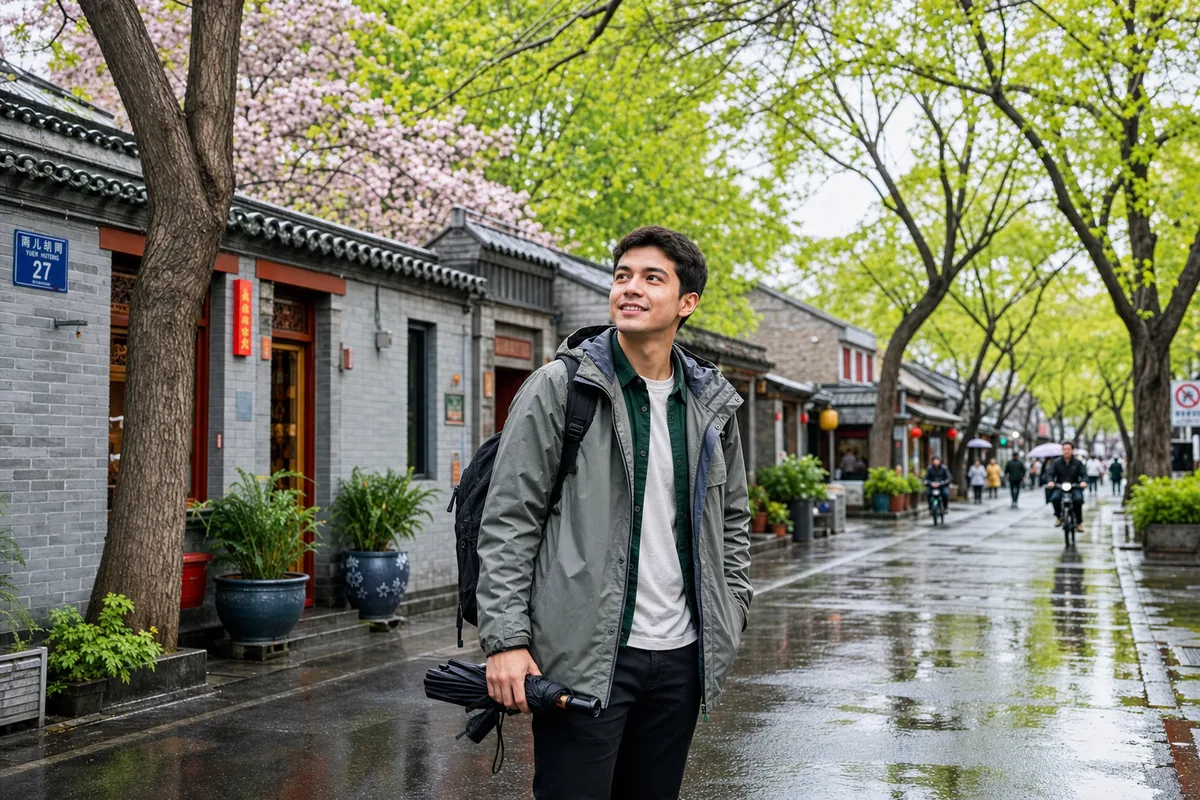
The golden rule for spring in China is layers. Mornings and evenings are cool, midday can be warm, and indoor heating in the north often shuts off in mid-March regardless of the actual temperature, so hotel rooms and restaurants can feel chilly.
A practical packing list for a March–May trip across multiple regions:
- A light waterproof jacket or packable rain shell (you will hit rain somewhere)
- A warm mid-layer — fleece or light down — for cool mornings and northern nights
- T-shirts and long-sleeve shirts you can mix and match
- Comfortable walking shoes; spring gardens and old towns mean a lot of walking on uneven stone
- A compact umbrella (cheap to buy locally if you'd rather not pack one)
- Sunglasses and sunscreen — spring sun is stronger than it feels, especially at altitude in Yunnan or Tibet
If your trip stays in the south (say, Guilin and Guangzhou in late April or May), skip the heavy layers and pack for warm, humid weather with rain.
For a region-by-region breakdown of temperatures and a fuller clothing list, see our guides on weather by region and clothing by season.
Cherry blossoms, rapeseed, and the rest
Flower season is the headline event of Chinese spring, and the timing shifts a couple of weeks year to year depending on temperatures. Here are the destinations worth planning around.
Cherry blossoms in Wuhan
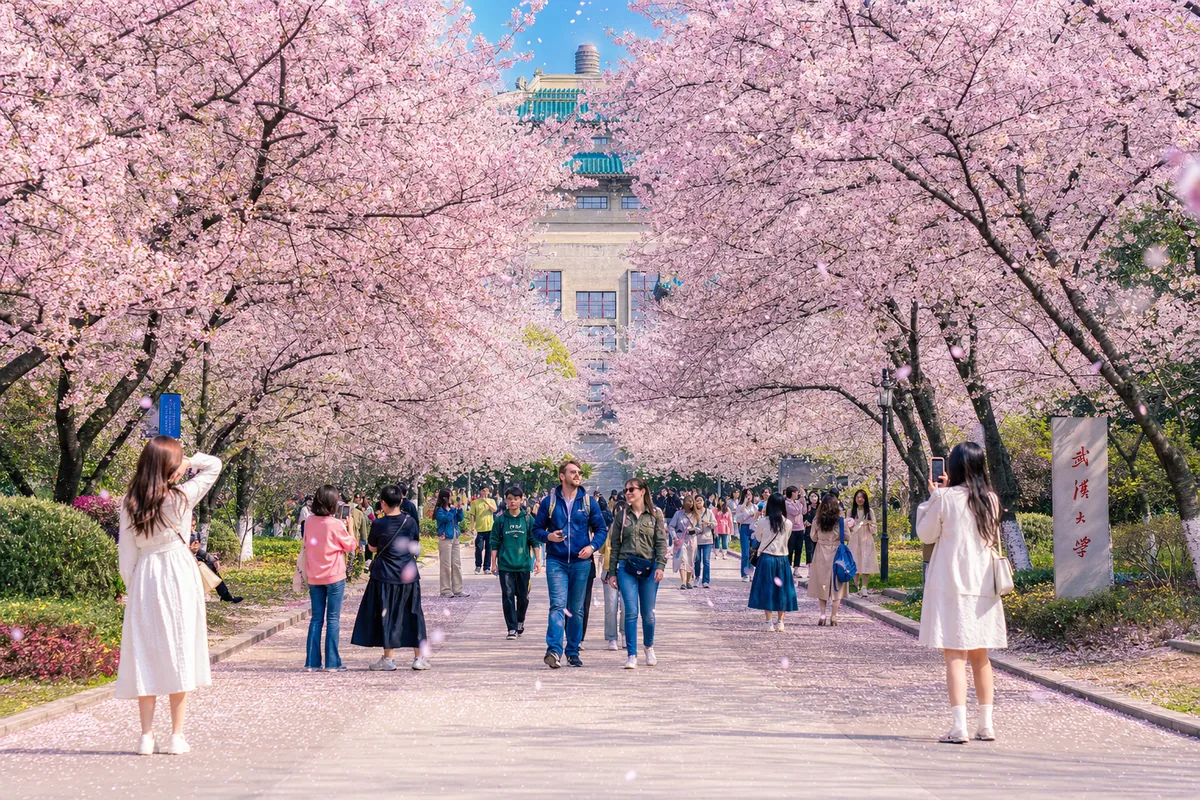
Wuhan (武汉, Wǔhàn) in Central China is the country's most famous cherry blossom (樱花, yīnghuā) spot. The blooms usually peak in mid-to-late March and last around two weeks. Two main places to see them:
- Wuhan University (武汉大学): The campus has tree-lined avenues that turn pink in peak season. It's free but requires advance online reservation during blossom season, and it gets extremely crowded. Book your time slot days ahead through the university's official reservation channel.
- East Lake Cherry Blossom Garden (东湖樱花园): A ticketed park with thousands of trees, less hassle to enter than the university, and night viewing with lights during peak weeks.
Wuhan is a major high-speed rail hub, so it's easy to combine with Shanghai, Beijing, Xi'an, or Changsha. Our Wuhan complete guide covers the city in detail.
Rapeseed flowers in Wuyuan
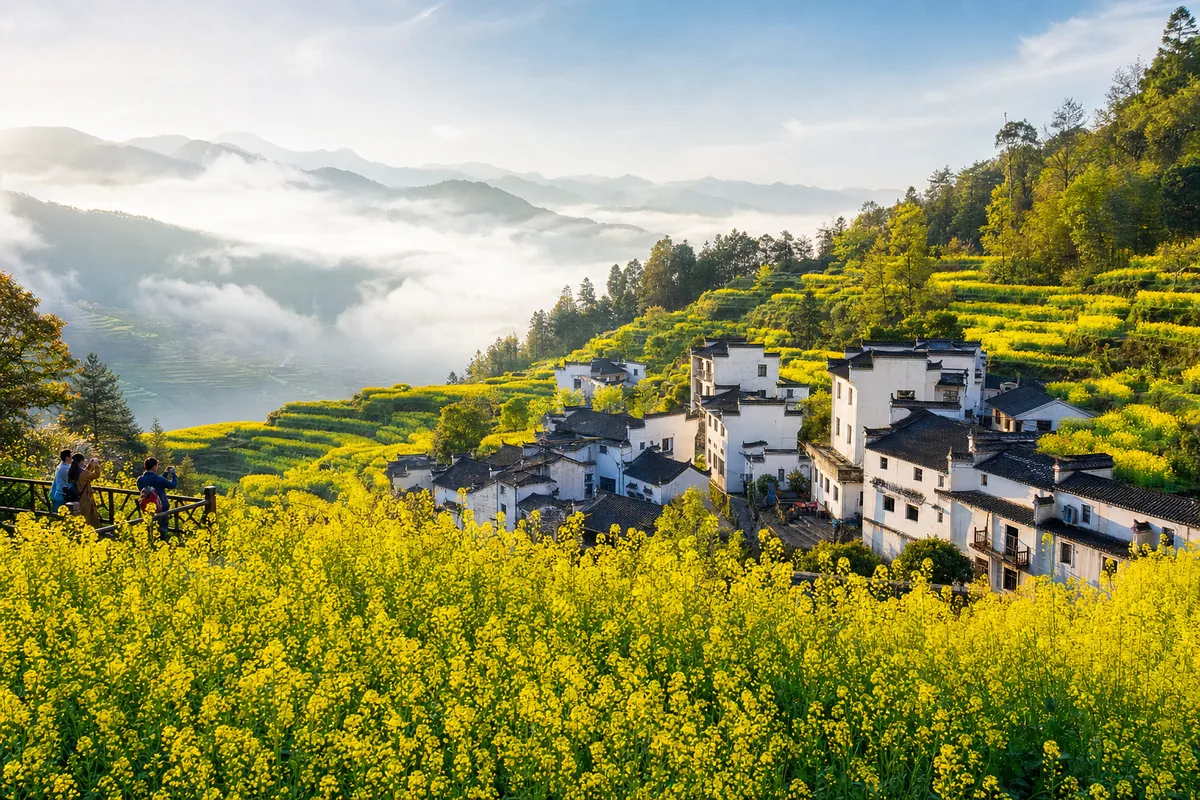
Wuyuan (婺源, Wùyuán) in Jiangxi province is the postcard image of rural Chinese spring: terraced hills covered in bright yellow rapeseed flowers (油菜花, yóucàihuā), with whitewashed Huizhou-style villages tucked among them. Peak bloom is usually mid-to-late March. The most photographed village is Jiangling (江岭), where the terraces stack up the hillside.
Wuyuan is more of a multi-day rural trip than a quick stop — you'll want a base in or near one of the ancient villages and at least a full day to move between viewpoints. It pairs naturally with Huangshan (黄山), which is close by. See our Huangshan guide if you're combining the two.
Other spring flower spots
- Hangzhou's West Lake (杭州西湖): Willows greening, peach blossoms, and tulips along the causeways. One of the loveliest spring cities in China. See our Hangzhou guide.
- Suzhou's classic gardens (苏州): Designed to be at their best in spring, with magnolias and wisteria. Pair with Hangzhou on the Jiangnan water towns route.
- Beijing's parks and the Great Wall: Peach and apricot blossoms in places like Yuyuantan Park, plus much more comfortable Great Wall hiking than summer's heat.
- Luoyang peony festival (洛阳): Famous for peonies that bloom in mid-to-late April. See our Luoyang guide.
Spring festivals and holidays
Two public holidays fall in spring, and both matter a lot for your planning because hundreds of millions of domestic travelers move during them.
Qingming Festival (Tomb-Sweeping Day)
Qingming (清明节, Qīngmíng Jié) usually falls around April 4–6 and comes with a three-day weekend. Traditionally, families visit ancestors' graves to clean them and pay respects. For travelers, the practical effect is a short but intense travel surge: trains, popular attractions, and intercity highways get busy for those few days.
Labour Day (May Day)
Labour Day (劳动节, Láodòng Jié) on May 1 has expanded into a five-day holiday in recent years and is one of the biggest domestic travel periods of the year — second only to Chinese New Year and the October Golden Week. Famous attractions can be shoulder-to-shoulder, hotel prices jump, and high-speed rail tickets for popular routes sell out fast.
For a deeper look at how to handle these peak periods, including the May holiday, read our Golden Week survival guide. The exact holiday dates and any adjusted working days are announced by China's State Council each year — confirm them before you finalize plans, since dates shift annually.
Getting around in spring
High-speed rail is the backbone of spring travel, and it's how you'll connect blossom destinations like Wuhan, Hangzhou, Suzhou, and Shanghai. The trains are fast, frequent, and reliable. The catch is the holiday surges: around Qingming and especially Labour Day, book as early as you can. Tickets generally go on sale a couple of weeks before departure through the official 12306 platform.
For how to actually buy tickets as a foreigner — including which ID works and how to use the app — see how to book train tickets. If you're mapping out a multi-city loop, the WaysChina app has offline metro maps for major cities and a built-in trip planner to organize attractions day by day.
Where to stay during blossom season
For city-based spring trips — Wuhan, Hangzhou, Shanghai, Beijing — standard hotels are easy to find outside the holiday peaks. For rural destinations like Wuyuan, the experience is different: you'll often stay in restored village guesthouses, and the good ones near the best viewpoints book out well ahead during peak bloom.
If you're traveling around Qingming or Labour Day, lock in accommodation early. Prices in tourist hotspots rise sharply and the best-located places sell out first. Comparing options on a platform like Booking.com ahead of time helps you secure a room before the holiday rush. For more on the booking process and the mandatory registration step, see booking hotels and registration rules.
Spring activities beyond flower-viewing
Flowers aside, spring is a great season for the kind of activities that summer heat or winter cold make uncomfortable:
- Hiking the Great Wall near Beijing — cool, clear, and far more pleasant than a summer climb.
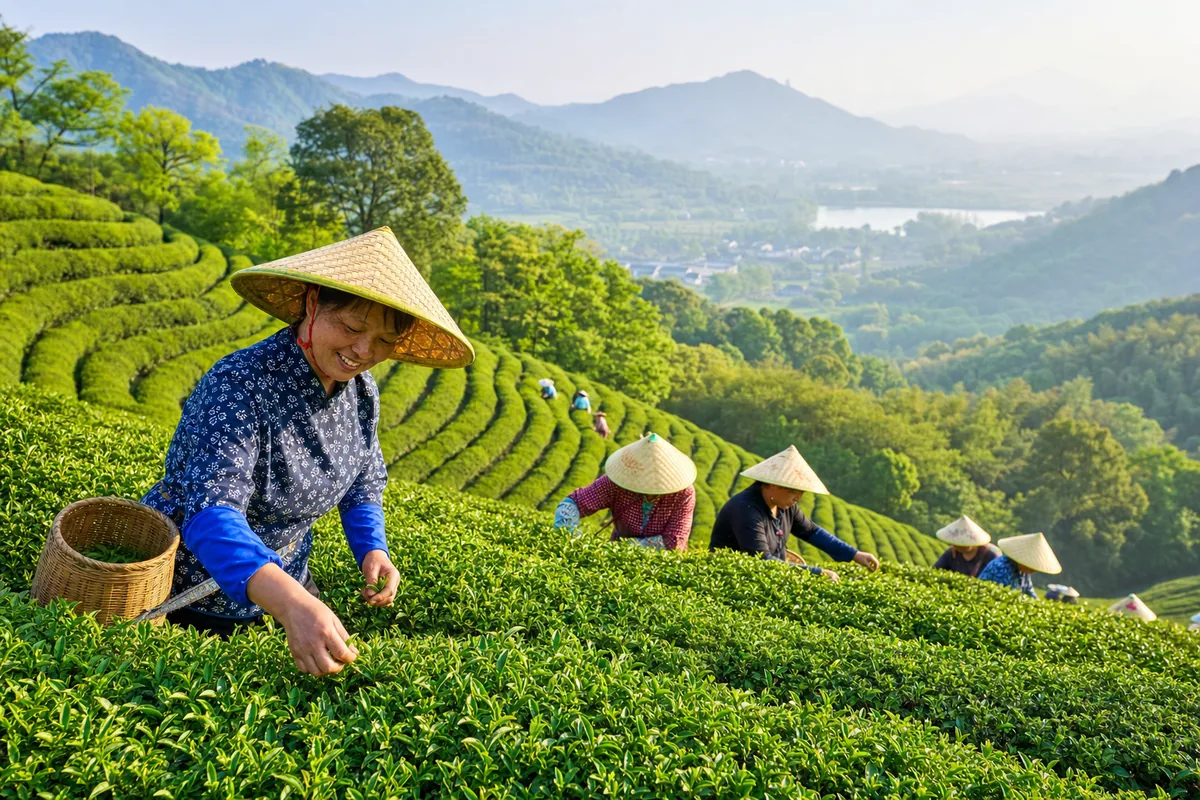
- Tea picking and tasting in Hangzhou. Spring is when the prized Longjing (龙井) green tea is harvested, and the hills around the city are full of tea terraces.
- Garden walks in Suzhou, designed around spring blooms.
- Li River cruises around Guilin and Yangshuo — green, misty, and comfortable before the summer heat.
Many of these can be booked as day tours or experiences in advance. Platforms like Klook list cherry blossom park tickets, West Lake tea experiences, and Li River cruises, which can save you queuing on-site during busy weeks.
Things to watch out for in spring
- Allergies: Spring pollen is heavy in many cities. If you're prone to hay fever, bring your usual medication — finding the exact brand locally can be hard.
- Sudden weather swings: A warm day can turn cold and rainy within hours, especially in March. Always carry a layer and check the forecast each morning.
- Crowds at flower spots: Even outside national holidays, famous blossom sites like Wuhan University are packed on weekends. Go on a weekday morning if you can.
- Northern dust events: Mostly early spring, usually short-lived. Not a reason to avoid the north, just something to be ready for.
Quick reference: spring by month
| Month | Weather | Highlights | Crowds |
|---|---|---|---|
| March | Cool, variable; north still chilly, possible dust | Wuhan cherry blossoms, Wuyuan rapeseed | Moderate |
| April | Mild and pleasant nationwide | Luoyang peonies, gardens, Great Wall hikes | Low–moderate (spikes at Qingming) |
| May | Warm; south turning humid | Tea season, southern landscapes | Very high during Labour Day, then low |
The short version
Spring is one of the two best seasons to see China, with mild weather and the country's famous flower displays — cherry blossoms in Wuhan and Wuhan University in mid-to-late March, rapeseed terraces in Wuyuan around the same time, and gardens and parks across the east and north blooming through April. Pack in layers, expect temperature swings, and carry a rain shell. The single most important planning move is to steer clear of the Labour Day holiday around May 1 if you can — and to book trains and hotels early if you can't. Get those two things right and spring in China is hard to beat. Confirm exact holiday dates and flower bloom status closer to your trip, since both shift year to year.
Next steps: pin down your dates against the holidays, then start booking high-speed rail and accommodation for your blossom cities.
Related reading
- Best Time to Visit China — how spring compares to other seasons
- Golden Week Survival Guide — surviving the Labour Day crowds
- Weather by Region — detailed temperature breakdowns
- Festival Calendar — full list of holidays and festivals
- How to Book Train Tickets — buying rail tickets as a foreigner
Last updated: June 2026
Read in other languages
Last train times for 10 Chinese metro systems
Every line and station, checked by hand — the same data behind our offline route planner.
Get the WaysChina App
Offline guides, currency converter, essential phrases, and more — all in your pocket.

Related Articles
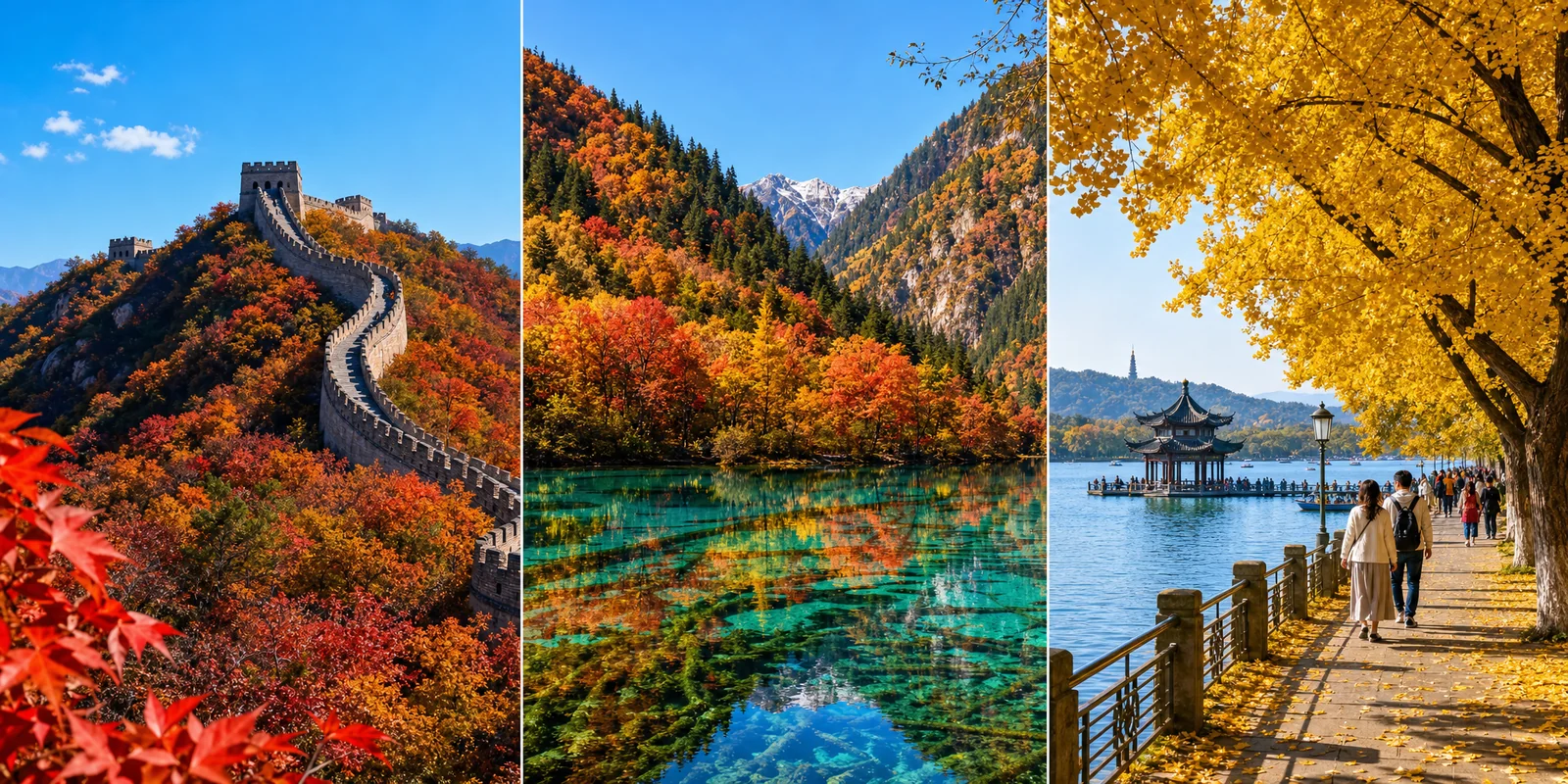
Autumn Travel in China
Autumn is arguably the best season to visit China: comfortable weather, clear skies, golden foliage, and the...
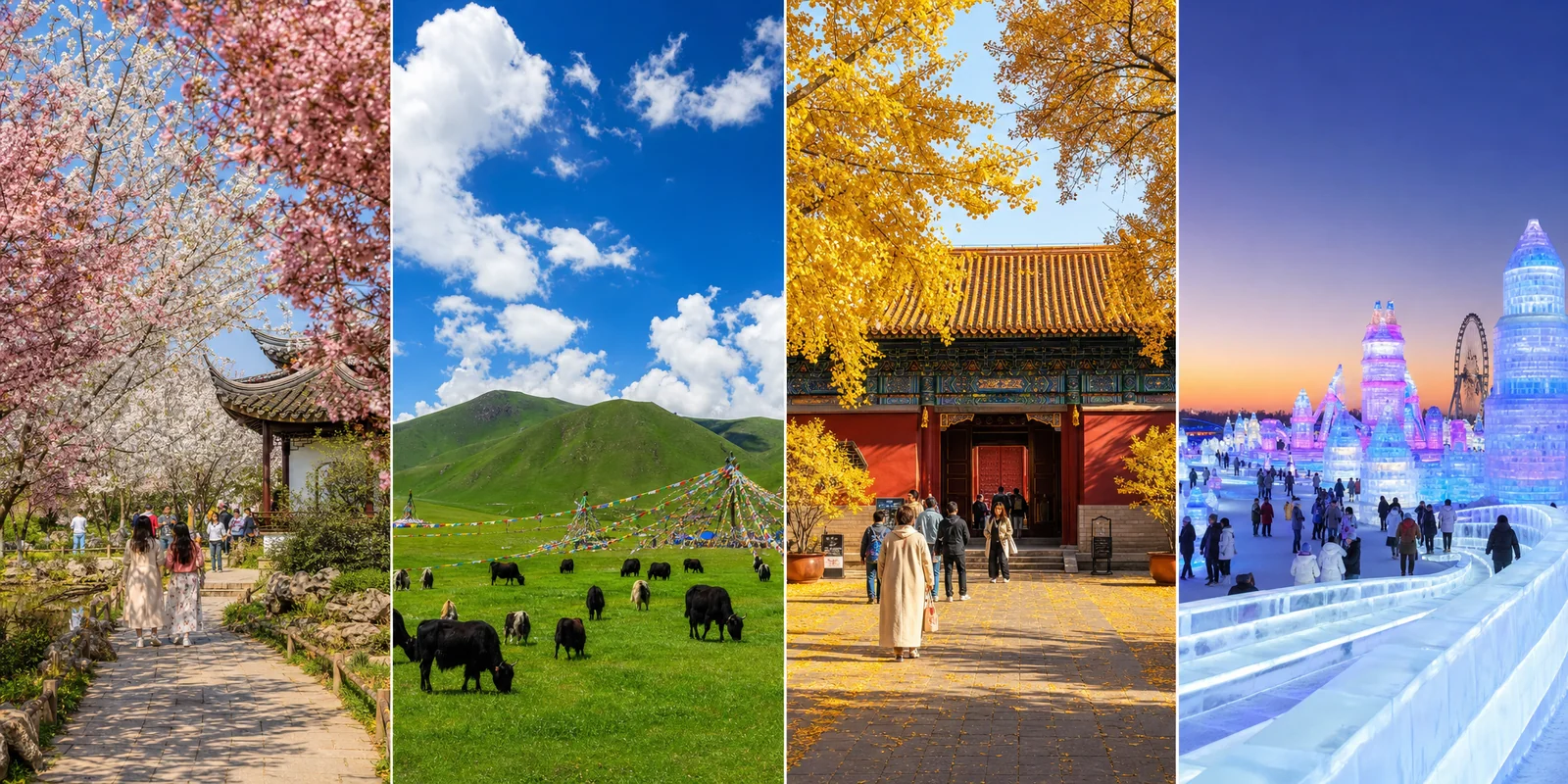
Best Time to Visit China
China spans subtropical beaches to subarctic forests, so the best time to visit depends entirely on where you're...
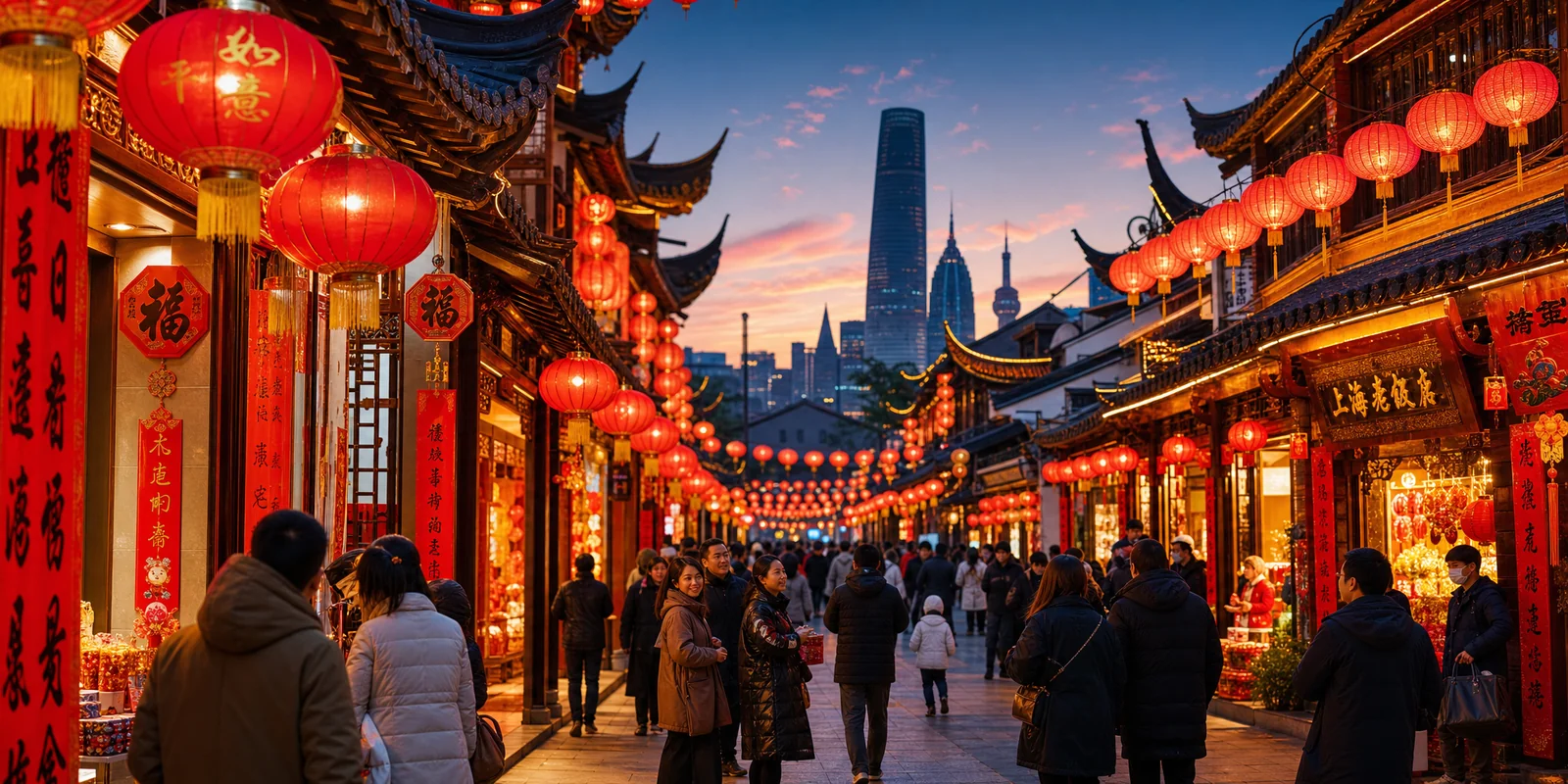
Chinese New Year Travel Guide
Traveling to China during Chinese New Year means festive cities, closed shops, and the world's largest annual...
Festival Calendar: China's Holidays & Festivals Explained
China's festival calendar mixes lunar holidays with fixed public holidays. Here's when each one falls, what closes,...