
This article contains affiliate links. If you make a purchase through these links, we may earn a small commission at no extra cost to you. This helps support our work in creating free travel guides.
Xining (西宁, Xīníng) sits at about 2,275 meters on the eastern edge of the Tibetan Plateau, and it's the natural base for exploring Qinghai province. Most travelers come for three things: Qinghai Lake, the largest saltwater lake in China; Chaka Salt Lake, the so-called "mirror of the sky"; and the Ta'er Monastery, one of the most important Tibetan Buddhist sites outside Tibet. Add the Dongguan Mosque and a genuinely diverse food scene shaped by Han, Hui, Tibetan, and Salar communities, and you have a region that rewards two to three unhurried days. This guide covers what to see, how to get there, where to stay, and how to handle the altitude.
Xining at a Glance
Xining is the provincial capital of Qinghai and, by northwest China standards, a comfortable, walkable city. It's much lower and milder than Lhasa, which makes it a popular acclimatization stop for travelers heading onward to Tibet by train. Summers are pleasant — daytime highs around 20-25°C in July and August — which is exactly why so many domestic tourists flood in during those months. Winters are cold and dry, and the lake region becomes harsh and largely empty.
The city itself doesn't have a huge list of sights. Its value is as a launchpad: most of Qinghai's headline attractions are 1-4 hours away by road, so you'll use Xining to sleep, eat well, and organize day trips or a short loop.
Best Time to Visit
The window that matters is roughly June through October. Here's the honest breakdown:
- July to early August: Peak season. The rapeseed flowers around Qinghai Lake bloom into vast yellow fields, the weather is best, and crowds (mostly domestic) are heaviest. Book accommodation and tours well ahead.
- September to October: Our preferred window. Cooler, clearer, far fewer people, and the autumn light on the lake and grasslands is excellent. The rapeseed is gone by then, but the trade-off in crowds is worth it for many visitors.
- June: Shoulder season — green grasslands, manageable crowds, slightly unpredictable weather.
- November to April: Cold, with limited services around the lake. Chaka and parts of the lakeshore effectively shut down. Only worth it if you specifically want frozen-lake scenery and don't mind the logistics.
For broader seasonal context, see our summer travel in China guide, since most people time a Qinghai trip for the warm months.
Core Attractions
Qinghai Lake (青海湖, Qīnghǎi Hú)
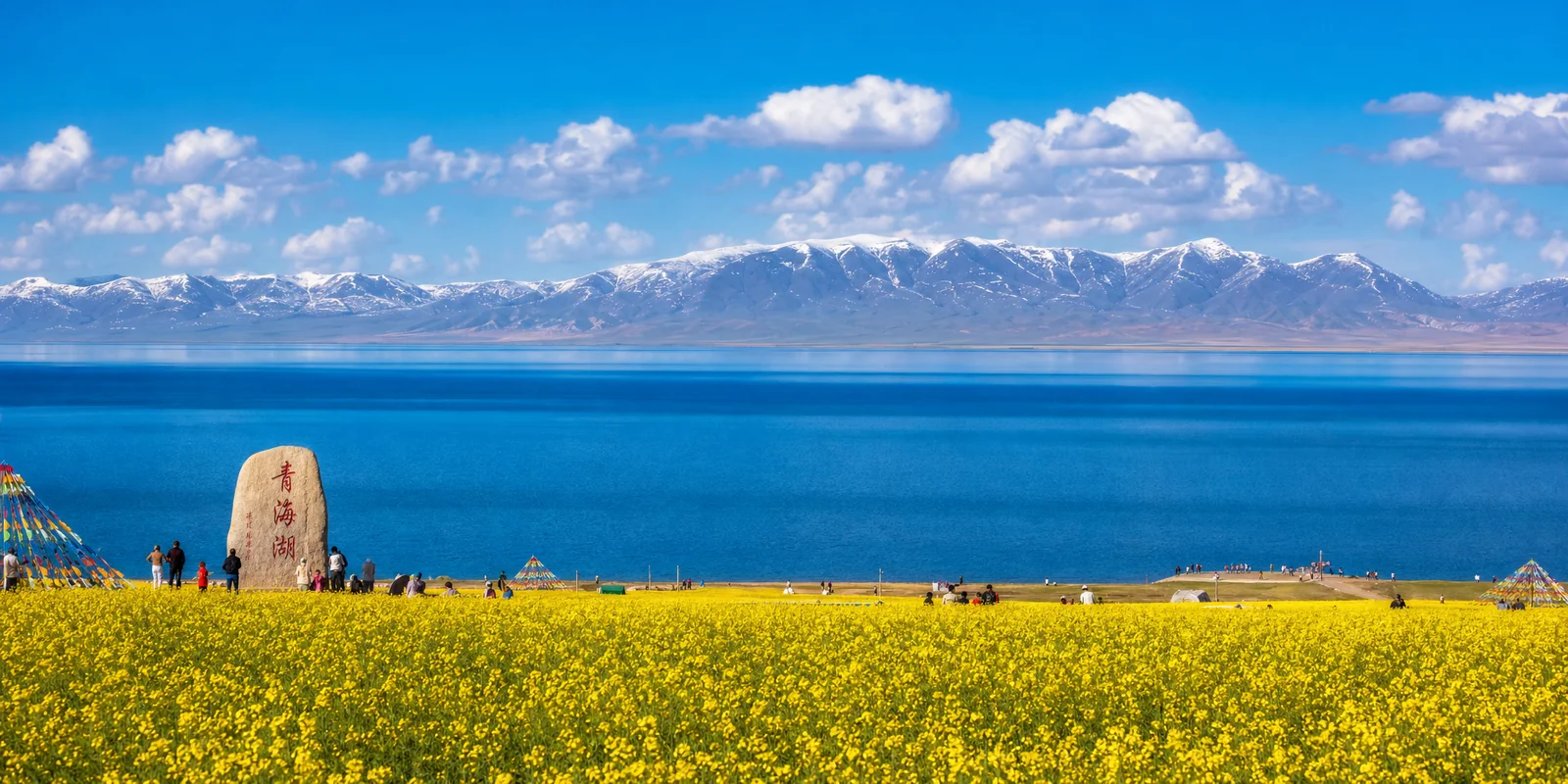
This is the reason most people come. Qinghai Lake is China's largest lake — a high-altitude saltwater lake sitting at about 3,200m, ringed by grasslands and snow-dusted mountains. It's big: the full circuit around it is roughly 360km, which is why many travelers do a multi-day loop by car rather than a single viewpoint stop.
The most visited access point is the Erlangjian (二郎剑) scenic area on the southern shore, with boardwalks, boat trips, and the classic open lake views. It's developed and can feel busy in summer, but it's the easiest introduction. For something quieter, the western and northern shores — toward Bird Island and the open grassland roads — give you the empty, big-sky version of the lake that sticks in your memory. In summer, the bands of yellow rapeseed flowers against the deep blue water are the signature scene.
You can experience the lake three ways: a half-day visit to Erlangjian from Xining, a full-day tour combining the lake with other stops, or a 1-2 day road loop. If you'd rather not arrange a car and driver yourself, a guided platforms like Klook day tour from Xining bundles the lake with Chaka and handles the long driving distances for you.
Chaka Salt Lake (茶卡盐湖, Chákǎ Yánhú)
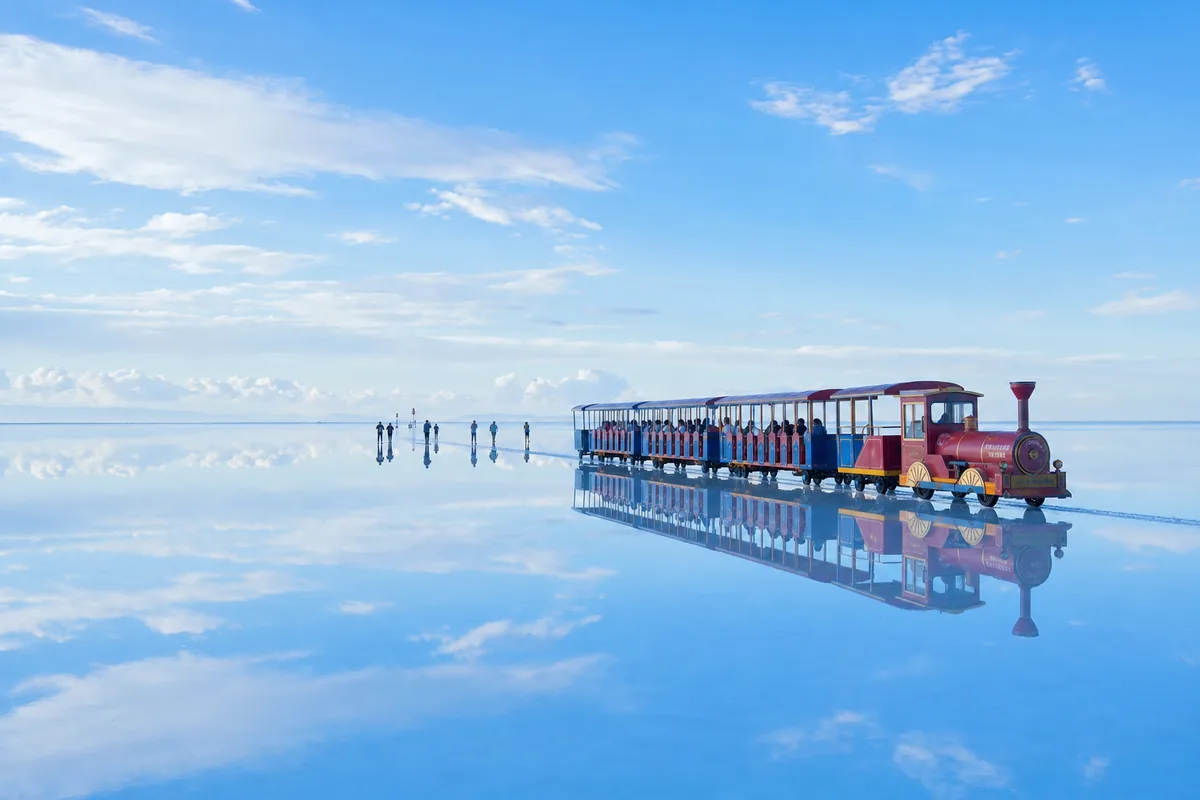
Chaka is the "sky mirror" you've probably seen in photos — a shallow salt flat about 3,000m up, where a thin film of water turns the surface into a near-perfect reflection of the sky on calm days. It's around 3-4 hours west of Xining by road, often combined with a Qinghai Lake loop rather than visited on its own.
Inside the scenic area there's a small tourist train that runs out onto the salt flat, plus walking paths. The mirror effect depends entirely on conditions — you need a calm, clear day with the right amount of surface water, ideally early morning before crowds and wind disturb the surface. When it works, it's spectacular; when it's windy or overcast, it's just a salt flat. Manage expectations and aim for early.
Ta'er Monastery (塔尔寺, Tǎ'ěr Sì)
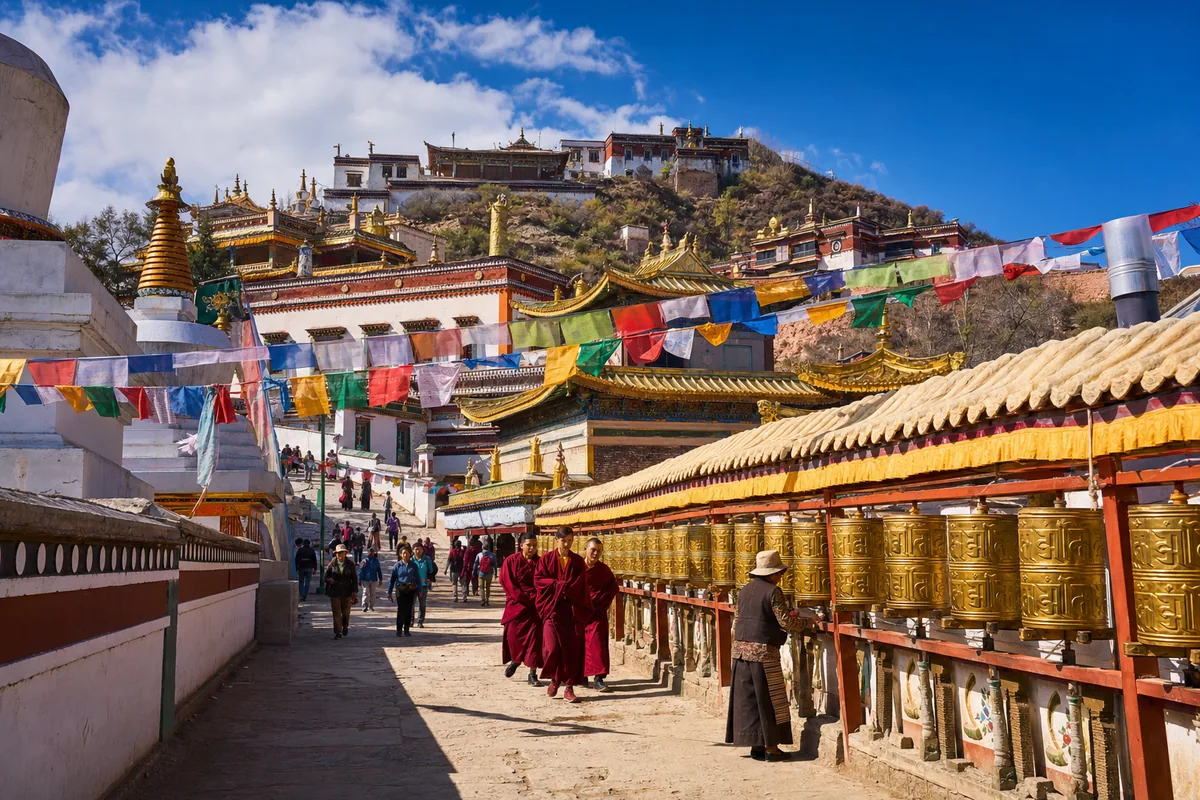
About 25km southwest of Xining in the town of Huangzhong, Ta'er Monastery (also called Kumbum) is one of the six great monasteries of the Gelug school of Tibetan Buddhism. It marks the birthplace of Tsongkhapa, the school's founder, and it's a living, active monastery — not a museum — so you'll see monks, pilgrims doing prostrations, and the rhythms of daily worship.
The complex is a cluster of golden-roofed halls, white stupas, and prayer wheels spread across a hillside. Ta'er is famous for its "three arts": butter sculptures (intricate, colorful figures molded from yak butter), murals, and barbola appliqué. Plan two to three hours, and consider a guide or audio guide — without context, much of the religious significance passes you by. It's an easy half-day trip from Xining, often paired with the Dongguan Mosque in the city.
Dongguan Mosque (东关清真大寺, Dōngguān Qīngzhēn Dàsì)
Right in central Xining, the Dongguan Mosque is one of the largest and most important mosques in northwest China, dating back over 600 years. It's the spiritual center for the city's large Hui Muslim community, and its architecture blends Chinese and Islamic styles. At Friday prayers and during major Islamic holidays, thousands gather here — the scale is striking.
Non-Muslim visitors are generally welcome outside of prayer times, but this is an active place of worship, so dress conservatively, follow any posted rules, and be discreet. It pairs naturally with a walk through the surrounding Hui neighborhood, which is also where you'll find some of Xining's best food.
Where to Eat
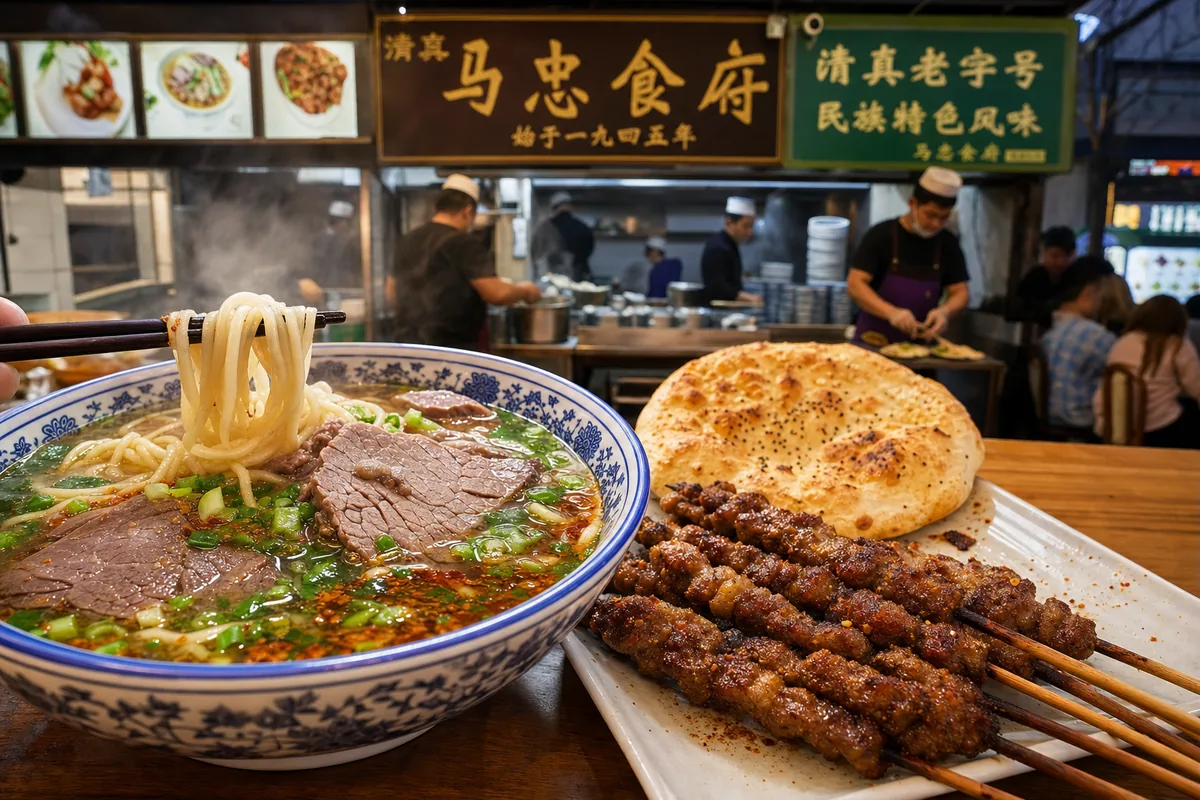
Xining's food is one of its quiet highlights, shaped by the region's mix of cultures. The Hui Muslim influence means a lot of halal beef and lamb, hand-pulled noodles, and baked breads. Tibetan and local flavors show up too.
- Lanzhou-style beef noodles (兰州拉面): Hand-pulled wheat noodles in clear beef broth — a regional staple you'll find everywhere.
- Yangrou paomo / mutton dishes: Lamb and mutton are central to the cuisine, often skewered, stewed, or in soups. Mutton skewers (羊肉串) off the grill are everywhere at night.
- Niang pi / liangpi (酿皮): Cold, chewy wheat-starch noodles with chili and vinegar — a refreshing local snack.
- Yak and Tibetan items: Yak meat, yogurt, and butter tea appear especially as you head toward the lake and monastery areas.
- Suntang / local sweet treats: Try Qinghai's sweet fermented rice and yogurt — the local yogurt is thick and genuinely good.
For eating, the area around the Dongguan Mosque and the night markets (such as Mojia Street, 莫家街) are reliable, lively, and authentic. Since much of Xining's food is halal, this is one of the easier cities in China for Muslim travelers — see our Halal food in China guide for more.
Getting There & Around
Getting to Xining
Xining is well connected. Xining Caojiabu International Airport (XNN) has direct flights from Beijing, Shanghai, Xi'an, Chengdu, and other major cities. The high-speed rail connection is the other main option — Xining sits on the line from Lanzhou, with frequent trains making the trip in around 1 to 1.5 hours.
From Lanzhou, the high-speed train is the obvious choice: fast, cheap, and frequent. You can book tickets through the official 12306 system, or through an English-language platform like Trip Com Train if you'd rather avoid the Chinese-only interface. For the full process, our guide to booking train tickets walks through it step by step.
Onward Connections
| Destination | Mode | Approx. Time | Notes |
|---|---|---|---|
| Lanzhou | High-speed rail | 1-1.5 hrs | Easy day-trip or onward Silk Road link |
| Lhasa | Train (Qinghai-Tibet Railway) | ~21 hrs | Scenic high-altitude route; permits required for Tibet |
| Lhasa | Flight | ~2.5 hrs | Faster but less acclimatization benefit |
| Xi'an | High-speed rail | ~4-5 hrs | Connects to the classic Silk Road route |
The Qinghai-Tibet Railway from Xining to Lhasa is one of the world's great train rides, climbing across the plateau past 5,000m passes (the carriages are pressurized and oxygen is supplied). Many travelers use Xining as their acclimatization stop before continuing — see our Lhasa & Tibet guide for the permit requirements, which you must arrange in advance.
Getting Around the Region
This is the part that trips people up. Qinghai's attractions are spread out, and public transport between them is limited and slow. Your realistic options:
- Private car and driver: The most common choice for the Qinghai Lake / Chaka loop. Driving distances are long, and having a driver who knows the routes and viewpoints makes a big difference. Arrange through your hotel or a tour operator.
- Organized day tours or multi-day loops: Convenient and good value for solo travelers or couples, since they pool the driving cost. A typical loop covers Qinghai Lake, Chaka Salt Lake, and sometimes Ta'er Monastery over 1-2 days.
- Self-drive: Possible if you have a Chinese driver's permit (foreign licenses aren't valid for driving in China without one), but the distances and altitude make it demanding.
- Public buses: Exist for some routes (e.g. Xining to Ta'er Monastery is straightforward by bus), but not practical for the lake loop.
Within Xining city, taxis and ride-hailing (via Didi) are cheap and easy. See our Didi guide if you haven't used it before.
Where to Stay
For a 2-3 day trip, base yourself in central Xining — it's the most practical choice, with the best food, easy transport links, and proximity to Dongguan Mosque. The area around the city center and the railway station has the widest range of hotels, from international-brand business hotels to budget guesthouses.
If you're doing a multi-day lake loop, you can also overnight near Qinghai Lake (around Heimahe or the southern shore) or at Chaka town — useful for catching the early-morning mirror effect at the salt lake. These options are more basic and seasonal, so book ahead in summer. You can compare rates and locations on Booking.com, which has solid coverage in Xining and decent options near the lake during peak season.
For more on the registration rules that apply to all foreign guests in China, see booking hotels & registration rules.
Suggested Itineraries
2 Days (City + Highlights)
- Day 1: Arrive Xining, take it easy to adjust to the altitude. Visit Dongguan Mosque, explore the old town and night market for dinner.
- Day 2: Full-day trip to Ta'er Monastery in the morning, then a Qinghai Lake visit (Erlangjian) in the afternoon — or swap to a focused lake day if monasteries aren't your priority.
3 Days (The Classic Loop)
- Day 1: Xining — Dongguan Mosque, Ta'er Monastery, acclimatize and eat well.
- Day 2: Drive to Qinghai Lake, spend the day along the shore and grasslands, overnight near the lake or at Chaka.
- Day 3: Early start at Chaka Salt Lake for the mirror effect, then drive back to Xining.
Qinghai pairs naturally with a wider northwest trip. If you're combining it with Xi'an, Lanzhou, Zhangye, and Dunhuang, see our Silk Road route from Xi'an to Dunhuang for the bigger picture, and the Lanzhou complete guide for the most common gateway city.
For mapping out a multi-city itinerary like this, the WaysChina app offers offline metro maps for the major cities and a built-in trip planner to organize your days — handy when you're stringing together Xining, Lanzhou, and the wider Silk Road.
Final Tips
Qinghai is one of the more rewarding corners of China precisely because it isn't built around foreign tourism — you're seeing a genuinely multicultural plateau region on its own terms. Keep three things in mind: respect the altitude on day one, treat the religious sites (the monastery, the mosque, the sacred lake) with care, and plan your transport in advance, since the distances between sights are real. Two to three days is enough for the highlights; longer if you want to slow down on the grasslands or push on to Tibet. Prices, opening hours, and tour availability shift with the seasons, so confirm the latest details before you lock in dates.
Related Reading
- Lanzhou Complete Guide — the usual gateway to Xining by high-speed rail
- Lhasa & Tibet Guide — for continuing onward across the plateau
- Silk Road Route: Xi'an to Dunhuang — fit Qinghai into a bigger northwest trip
- Halal Food in China — useful given Xining's strong Hui Muslim food scene
- Dunhuang & Silk Road Guide — the desert highlight further along the route
Last updated: June 2026
Read in other languages
Last train times for 10 Chinese metro systems
Every line and station, checked by hand — the same data behind our offline route planner.
Get the WaysChina App
Offline guides, currency converter, essential phrases, and more — all in your pocket.

Related Articles
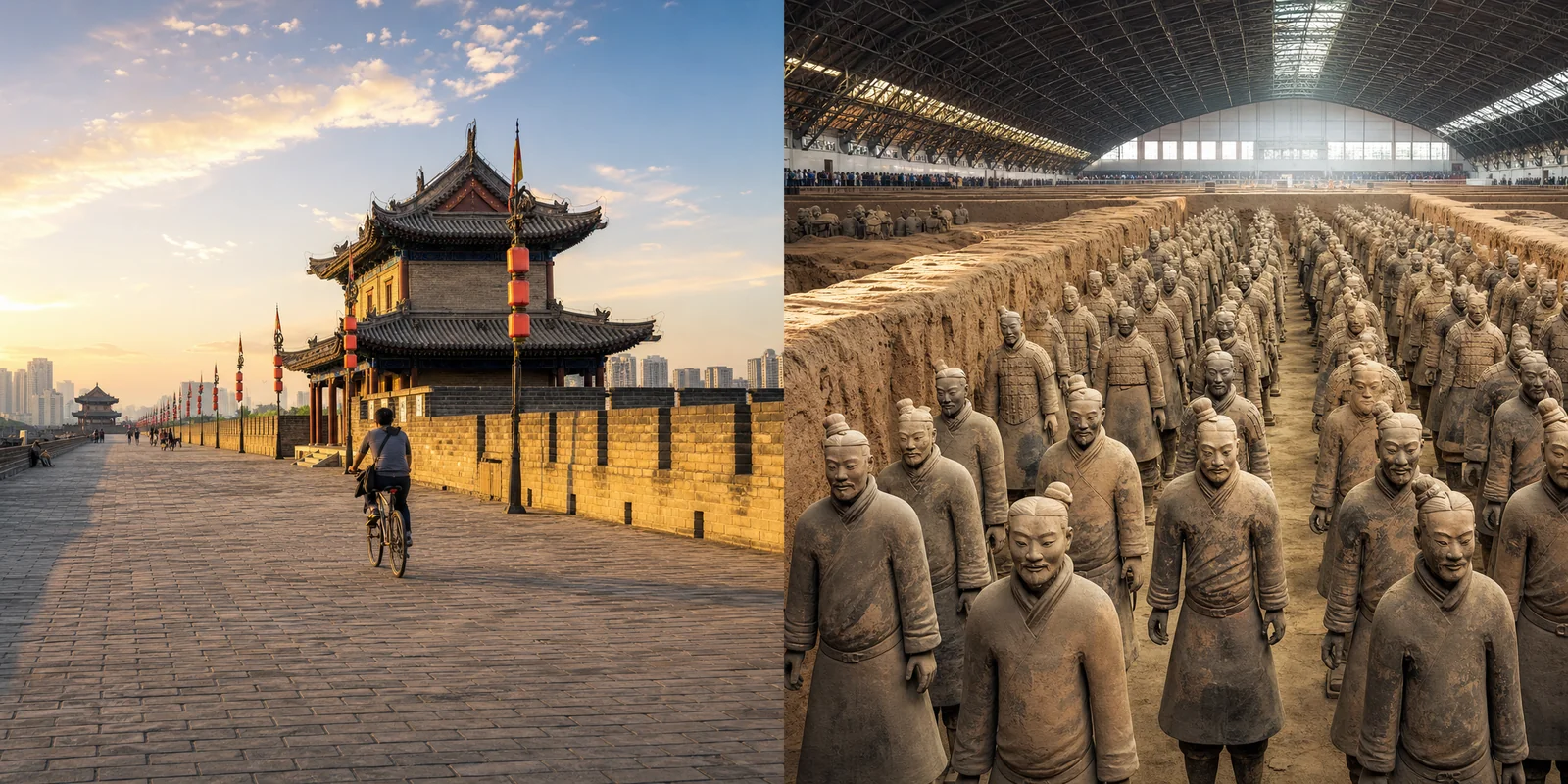
2-Day Xi'an Itinerary: Terracotta Warriors, City Wall & More
A practical 2-day Xi'an itinerary with real timings and transport: the Terracotta Warriors and Huaqing Palace on Day...
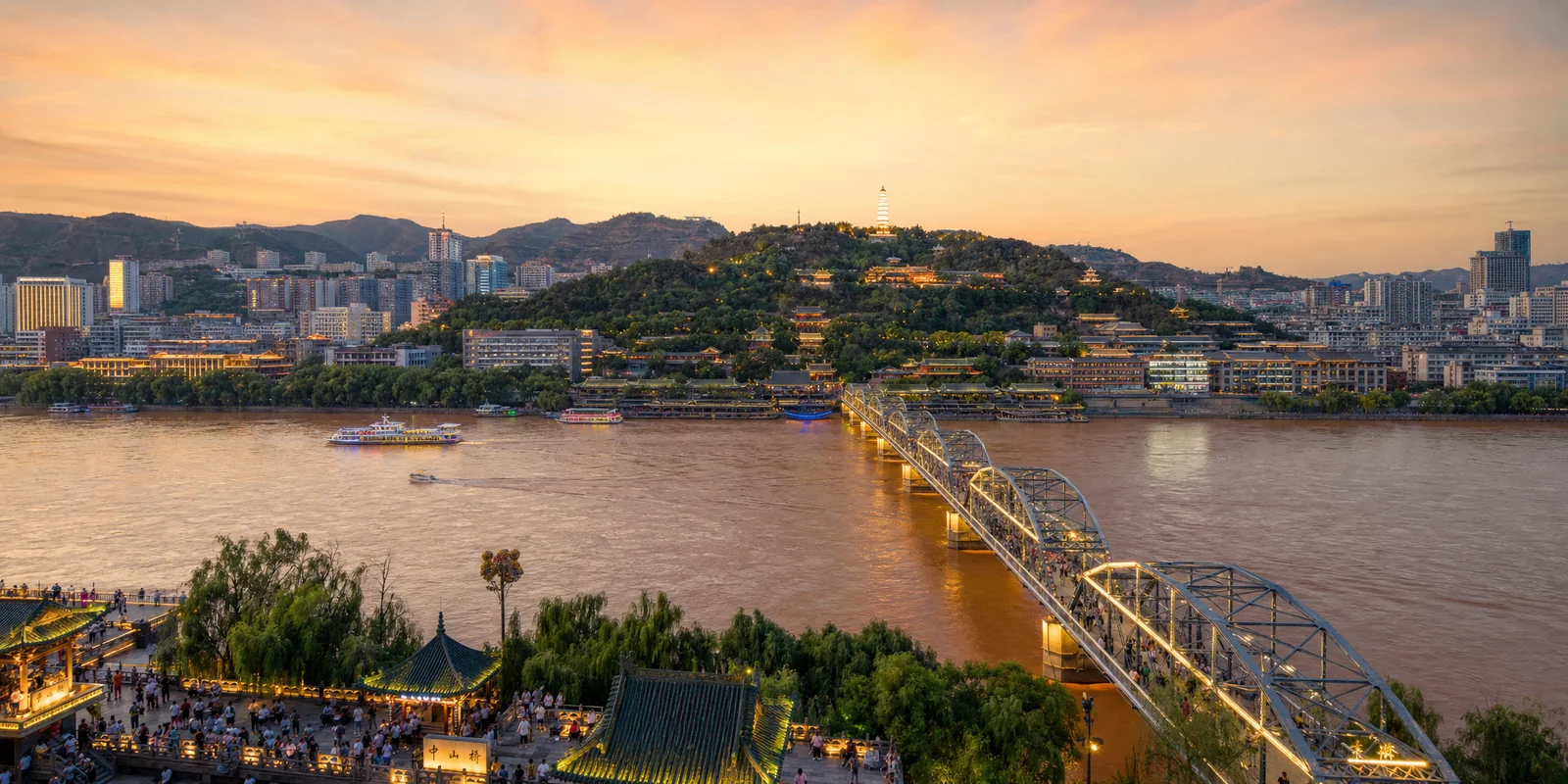
Lanzhou Complete Guide
Everything you need for visiting Lanzhou: the famous beef noodles, the Yellow River waterfront, the Gansu Provincial...
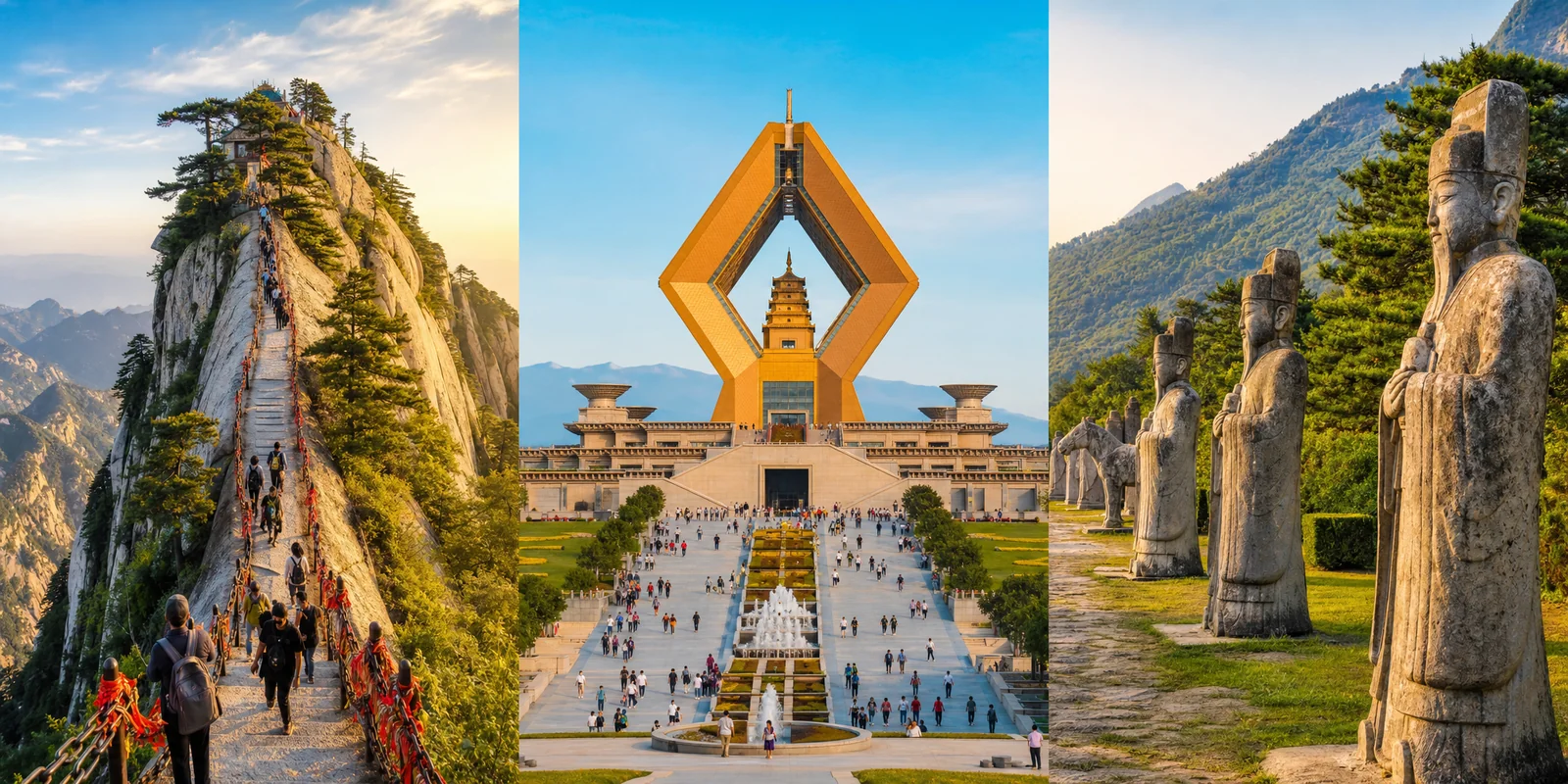
Xi'an Day Trips
Four of the best day trips from Xi'an — Mount Huashan, Famen Temple, Qianling Mausoleum, and Hanyangling Museum —...
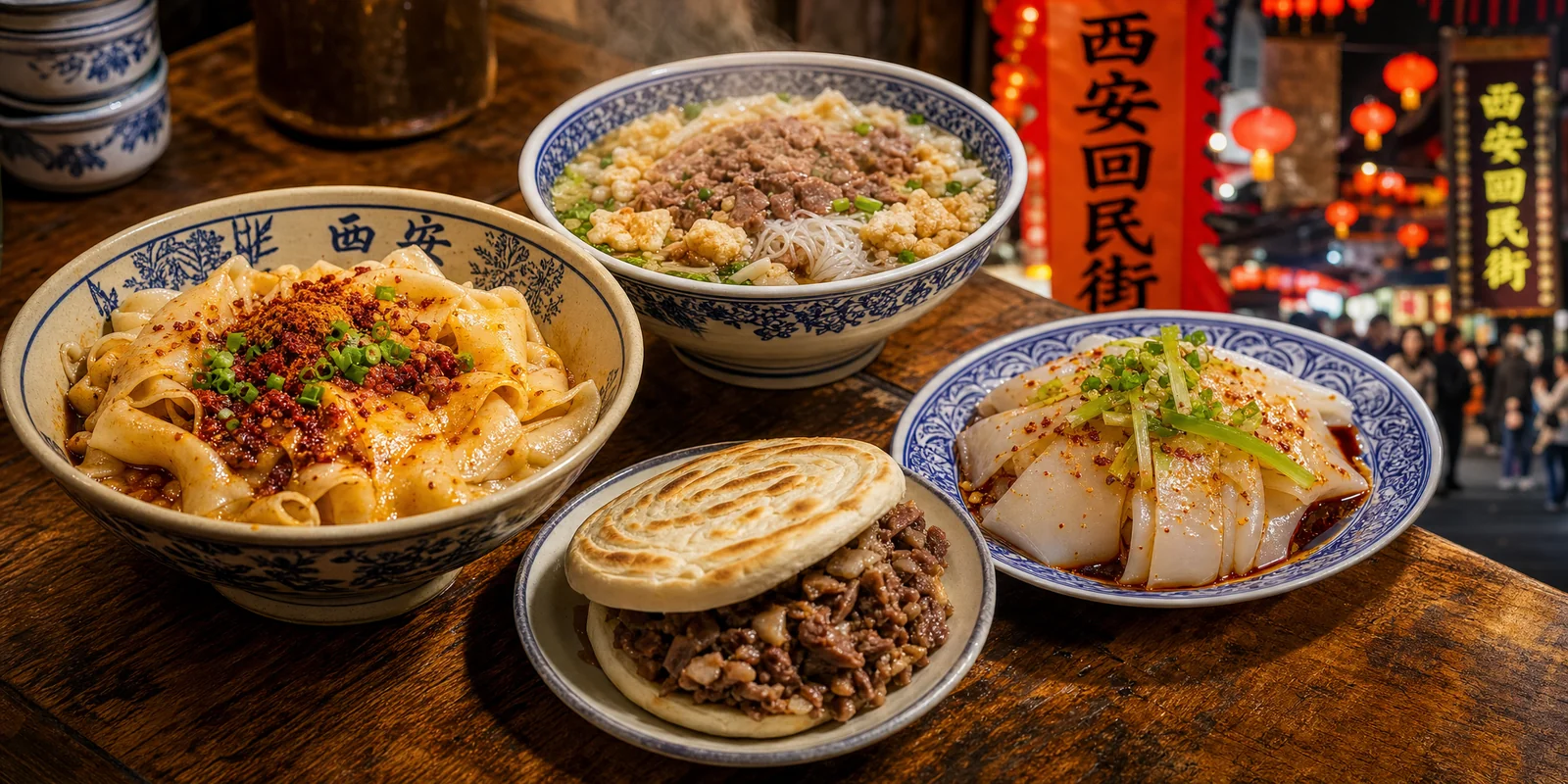
Xi'an Food Guide
What to eat in Xi'an and where to find it — from biangbiang noodles and roujiamo to lamb soup in the Muslim Quarter,...